CA / Upland Birds
California
Dove.
A beginner’s guide to California dove identification, migratory-bird requirements, access, scouting, shooting, retrieval, and season planning.
Official dove page ↗01 / Overview
Start with the shape of the hunt.
Dove hunting can be an approachable introduction to bird hunting, but the apparent simplicity hides real responsibilities: species identification, migratory-bird requirements, legal access, safe shooting, and careful retrieval.
Productive locations often connect food, water, roosting cover, and travel lines. Scouting is about learning that movement without trespassing or disrupting a field before the hunt.
A first hunt should prioritize a safe field, clear boundaries, known bird species, and disciplined shooting over a crowded high-volume opening day.
02 / Opportunity
Is this a good state for this hunt?
Dove can require less specialized equipment than waterfowl, yet access to agricultural fields and reliable flight paths can be the limiting factor.
Public fields, wildlife areas, special hunts, and private permission can all create opportunity. Each carries different entry and property rules.
Fast flight and mixed dove species make identification, ammunition choice, patterning, and shot restraint essential beginner work.
04 / Planning strategy
Scout the flight line, then protect the field.
Watch from a legal distance near the time you intend to hunt. Record direction, height, frequency, food, water, roost cover, and where other people or buildings create unsafe lanes.
Choose a position that offers a safe background and realistic retrieval. Avoid excessive disturbance before the season and never assume an agricultural field is open to hunting.
On the hunt, slow the pace. Identify first, take shots inside your ability, mark every fall, and stop shooting when recovery becomes uncertain.
05 / Seasons
Learn the categories. Check the dates.
California’s dove framework can include multiple season segments and different treatment for different dove species. Current regulations control dates, limits, and shooting hours.
Use the official upland page for the current table, validation requirements, identification publications, and public-field information.
Open the current official digest ↗06 / Habitat
Where they live.
Agricultural fields
Harvested crops, seed, field edges, power lines, water, and roost cover can create movement, but permission and safe direction are decisive.
Desert and valley water
Birds may travel predictable routes between feeding, loafing, and water. Heat and rapid meat care matter.
Wildlife areas and public fields
Maps, field boundaries, entry procedures, crowding, and property-specific rules should be learned before opening morning.
07 / Methods
Match the method to the exact hunt.
Field-edge pass shooting
Select a safe arc, identify birds early, judge range, and avoid low shots toward people, roads, structures, or livestock.
Water or travel corridor
Set back enough to avoid concentrating unsafe pressure and plan retrieval before shooting over difficult cover.
Managed or special hunt
Follow the exact application, check-in, field assignment, guest, and property rules listed for the opportunity.
Current legal methods, ammunition rules, and hunt-specific restrictions come from CDFW and the applicable land manager.
08 / Beginner strategy
If I wanted to start, what would I actually do?
- 01
Read the official species page
Start with CDFW’s current dove page. Write down the license items, validations, applications, dates, limits, and reporting duties that apply to the exact hunt.
Official resource ↗ - 02
Confirm how the opportunity works
Determine whether the hunt uses a tag, drawing, reservation, validation, special permit, or general opportunity. Never assume one species works like another.
- 03
Prove legal access
Identify the parcel, managing agency, entry route, closures, boundary, and any check-station or property procedure before treating it as a hunt plan.
- 04
Scout the useful details
Record species, flight direction, height, food, water, roost cover, field ownership, safe shooting arcs, likely crowding, and retrieval conditions.
- 05
Practice the complete field sequence
Practice species identification, safe mounting, crossing shots, range judgment, ammunition verification, marking falls, complete retrieval, and rapid field care.
- 06
Run a final current-information check
Recheck CDFW regulations, land-manager notices, fire or weather closures, required documents, equipment, and reporting instructions immediately before the hunt.
09 / Current information
Official resources.
Official turkey, dove, quail, pheasant, validation, season, and special-hunt information.
Official source ↗CDFW special huntsOfficial application information for specially managed bird and mammal hunts.
Official source ↗Current hunting regulationsCurrent mammal, bird, waterfowl, upland, and land-use regulation publications.
Official source ↗Hunting licenses and tagsOfficial license, tag, validation, and reporting information.
Official source ↗CDFW Lands ViewerOfficial map for CDFW wildlife areas, ecological reserves, and facilities.
Keep learning
Useful before a dove hunt.
Existing Sportsman’s Illustrated lessons are connected by slug, so this section can grow without duplicating article content.
 Hunter Education
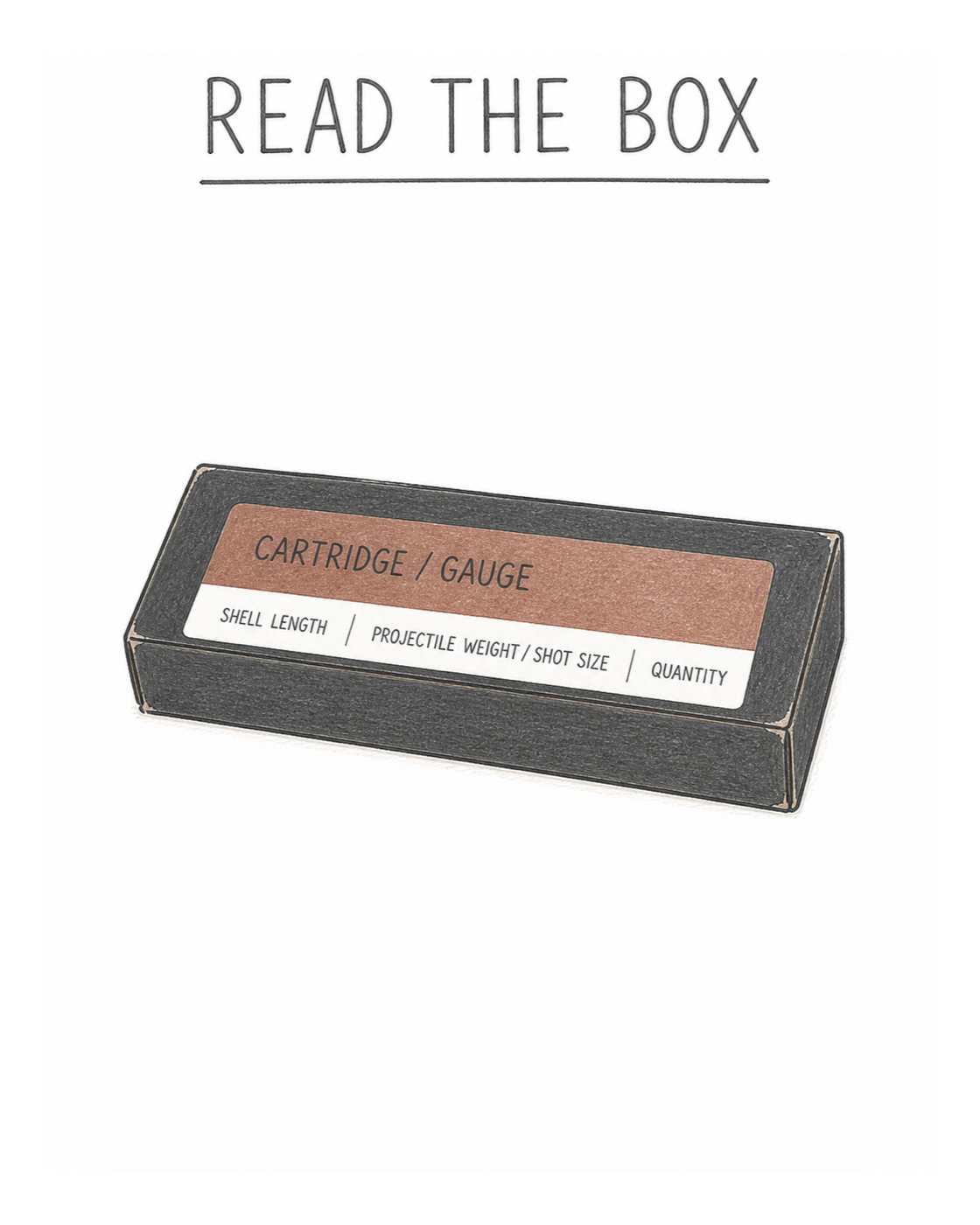
What an Ammunition Box Tells You
A beginner’s guide to cartridge names, bullet weight, shotshell markings, and the information worth checking on factory ammunition.
 Fieldcraft
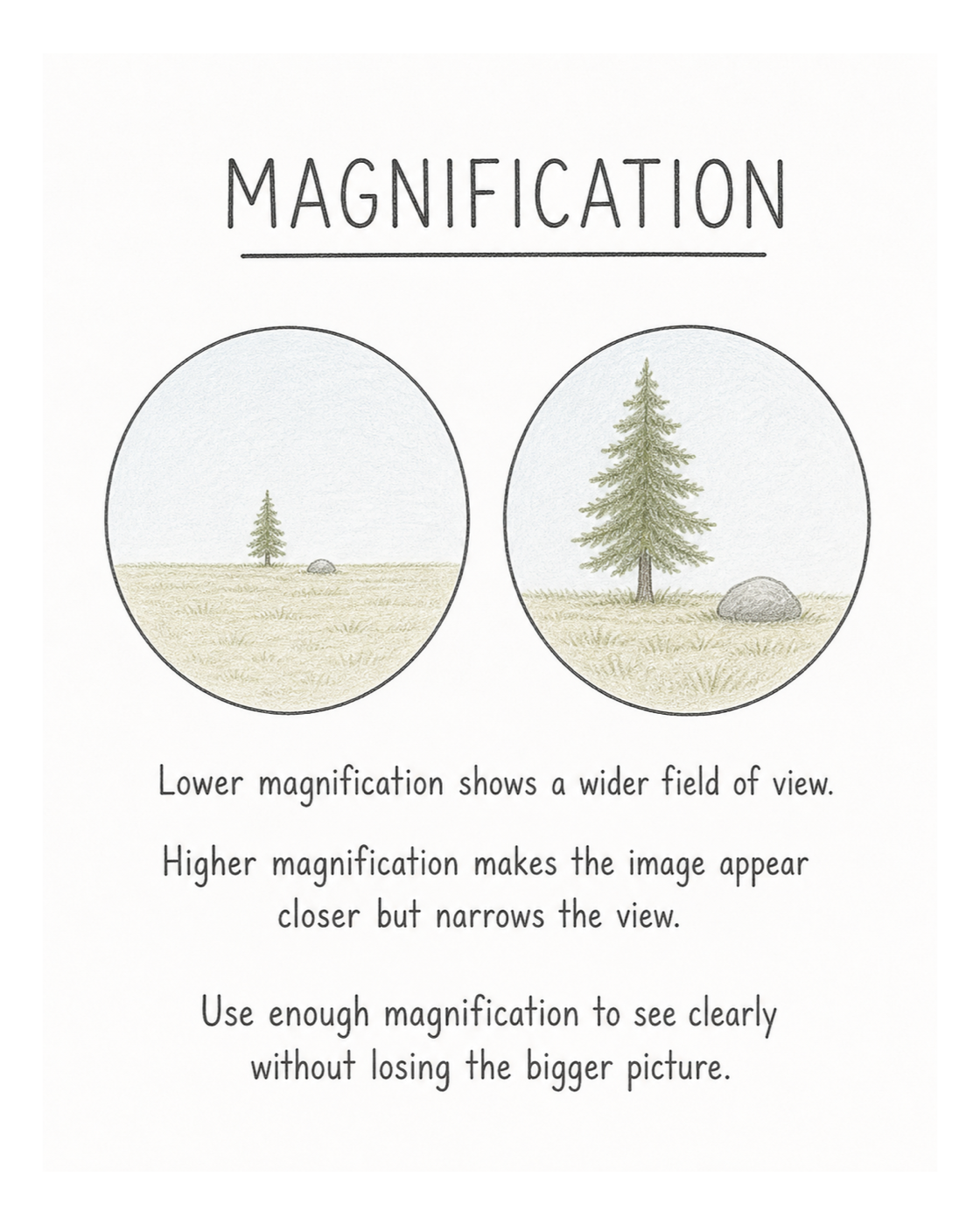
A Beginner’s Scouting Notebook
Five observations worth recording every time you walk a piece of hunting country.