CA / Upland Birds
California
Pheasant.
A realistic guide to California pheasant habitat, wild and managed opportunities, special hunts, access, identification, walking strategy, and recovery.
Official pheasant page ↗01 / Overview
Start with the shape of the hunt.
California pheasant hunting is more localized than its historical reputation suggests. Habitat, agricultural practices, wetland edges, managed properties, and special hunts shape much of the realistic opportunity.
A useful plan distinguishes wild-bird access from planted or specially managed hunts and reads the rules for the exact property.
Pheasant can teach safe walking, teamwork, dog handling, quick identification, shot discipline, and determined recovery in heavy cover.
02 / Opportunity
Is this a good state for this hunt?
The greatest beginner challenge is usually finding a legitimate opportunity, not understanding the basic concept of walking cover.
Wildlife areas, special hunts, planted hunts, private clubs, and landowner permission can operate differently. Know which one you are planning.
A dog can improve locating and recovery, but a controlled field, safe partners, and a clear plan matter more than owning one.
04 / Planning strategy
Choose the opportunity before choosing the field.
Start with CDFW’s current wild and planted hunt listings, special hunts, and wildlife-area information. Build around a real access path rather than generic habitat on a map.
Scout cover, field edges, irrigation, ditches, wetland margins, escape routes, roads, and safe directions. Expect pressured birds to use the thickest connected cover.
Plan partner spacing and end-of-field behavior before walking. Many unsafe moments occur when birds flush near blockers, roads, buildings, or converging hunters.
05 / Seasons
Learn the categories. Check the dates.
CDFW publishes general, archery, falconry, junior, special, wild, and planted pheasant opportunities where applicable.
Use the current upland page and the exact managed-hunt listing for dates, legal animals, limits, applications, and property conditions.
Open the current official digest ↗06 / Habitat
Where they live.
Agricultural edges
Grain, weeds, ditches, hedgerows, irrigation, grass, and adjacent escape cover can create useful structure where access is legal.
Wetland margins
Dense vegetation, levees, upland islands, water, and wildlife-area boundaries shape both birds and safe walking routes.
Managed hunt fields
Field assignments, planted-bird procedures, crowding, dogs, roads, and check-station rules can matter as much as habitat.
07 / Methods
Match the method to the exact hunt.
Walk-up hunting
Keep the line organized, muzzles controlled, and shots inside a defined arc. Pause before cover ends and know where every partner is.
Hunting with a dog
Use a dog only with control appropriate to roads, other parties, heat, water, cover, and the property’s rules.
Managed and planted hunts
Treat orientation, permit, field, ammunition, guest, dog, and reporting rules as part of the hunt, not paperwork around it.
Current legal methods, ammunition rules, and hunt-specific restrictions come from CDFW and the applicable land manager.
08 / Beginner strategy
If I wanted to start, what would I actually do?
- 01
Read the official species page
Start with CDFW’s current pheasant page. Write down the license items, validations, applications, dates, limits, and reporting duties that apply to the exact hunt.
Official resource ↗ - 02
Confirm how the opportunity works
Determine whether the hunt uses a tag, drawing, reservation, validation, special permit, or general opportunity. Never assume one species works like another.
- 03
Prove legal access
Identify the parcel, managing agency, entry route, closures, boundary, and any check-station or property procedure before treating it as a hunt plan.
- 04
Scout the useful details
Confirm the opportunity type, then record field ownership, cover connections, ditches, wetland edges, roads, buildings, pressure, safe walking lines, and likely escape cover.
- 05
Practice the complete field sequence
Practice sex and species identification, safe line movement, gun carries, mounting, shooting only inside your arc, marking falls, thorough recovery, and dog control if applicable.
- 06
Run a final current-information check
Recheck CDFW regulations, land-manager notices, fire or weather closures, required documents, equipment, and reporting instructions immediately before the hunt.
09 / Current information
Official resources.
Official turkey, dove, quail, pheasant, validation, season, and special-hunt information.
Official source ↗CDFW special huntsOfficial application information for specially managed bird and mammal hunts.
Official source ↗Current hunting regulationsCurrent mammal, bird, waterfowl, upland, and land-use regulation publications.
Official source ↗Hunting licenses and tagsOfficial license, tag, validation, and reporting information.
Official source ↗CDFW Lands ViewerOfficial map for CDFW wildlife areas, ecological reserves, and facilities.
Keep learning
Useful before a pheasant hunt.
Existing Sportsman’s Illustrated lessons are connected by slug, so this section can grow without duplicating article content.
 Hunter Education
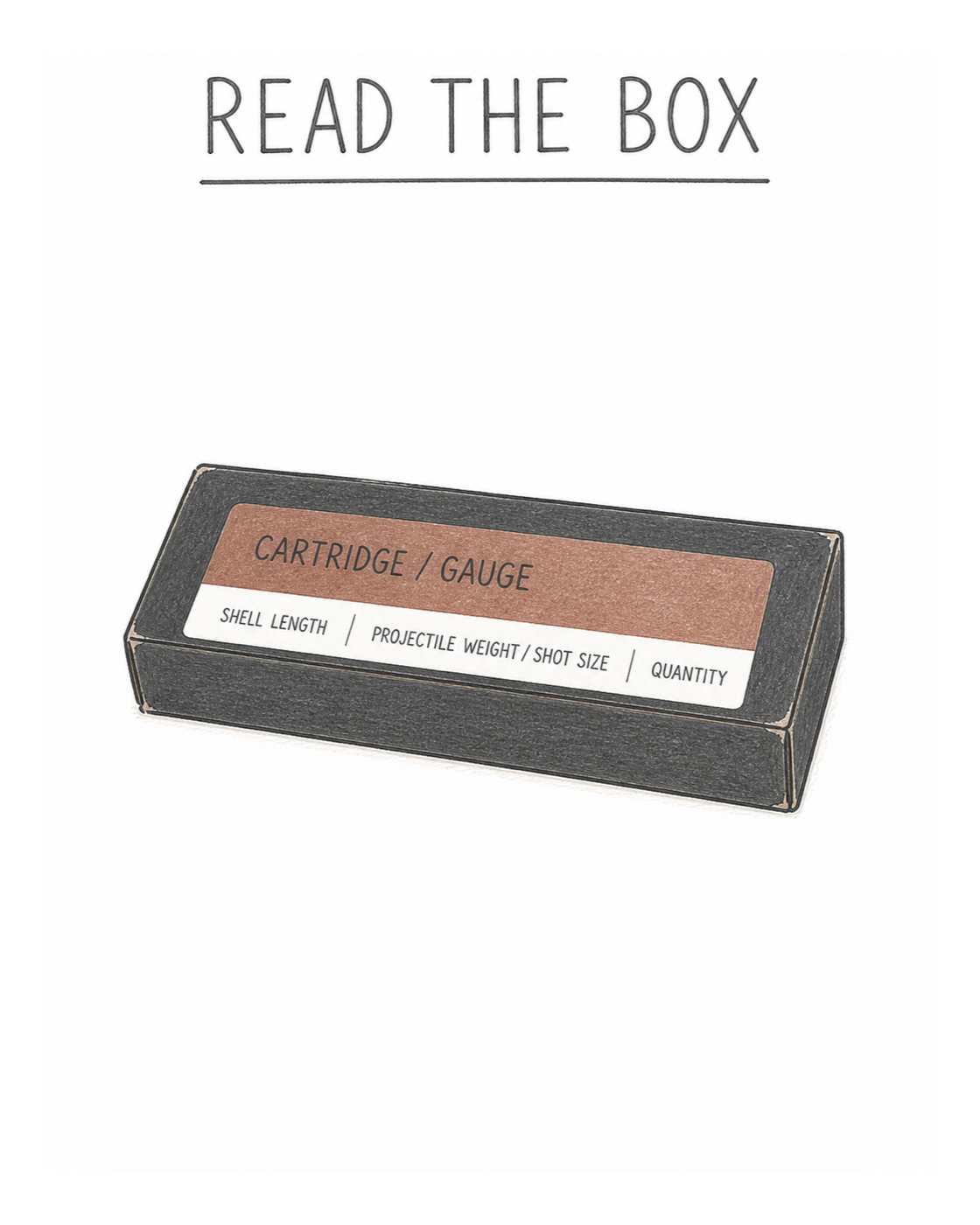
What an Ammunition Box Tells You
A beginner’s guide to cartridge names, bullet weight, shotshell markings, and the information worth checking on factory ammunition.
 Fieldcraft
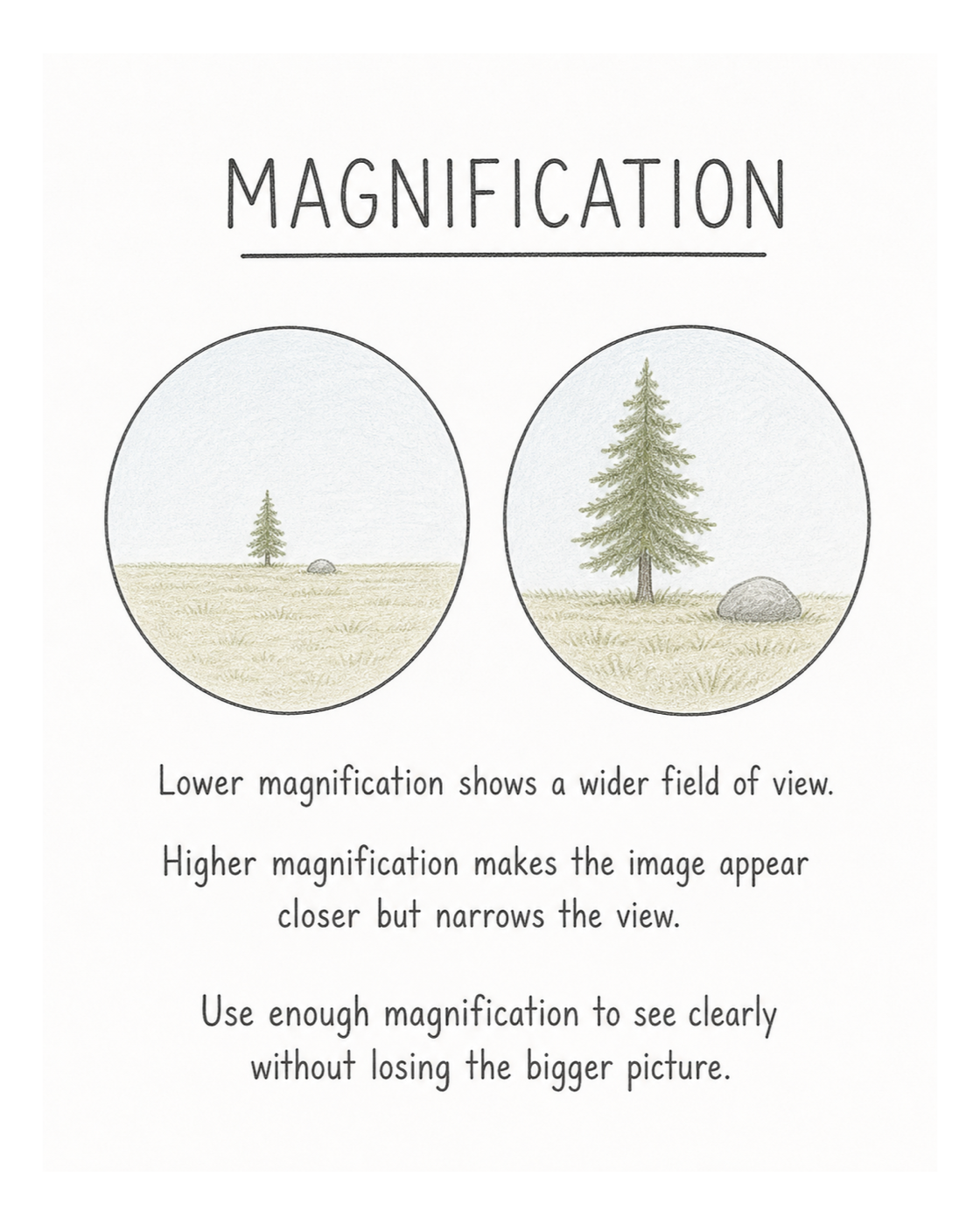
A Beginner’s Scouting Notebook
Five observations worth recording every time you walk a piece of hunting country.