CA / Upland Birds
California
Quail.
A field-first guide to California quail zones, habitat, covey scouting, public access, walking strategy, identification, and a first upland hunt.
Official quail page ↗01 / Overview
Start with the shape of the hunt.
California quail hunting rewards time on foot, habitat reading, listening, and the ability to turn a brief covey rise into a safe, disciplined decision.
Different quail country can range from chaparral and oak foothills to mountain cover and desert edges. The current zone and species rules determine the legal framework.
A beginner does not need a dog to start learning, but they do need realistic terrain, a safe partner plan, strong identification, and a commitment to recovery.
02 / Opportunity
Is this a good state for this hunt?
Quail can provide repeatable public-land experience, though bird numbers, water, fire, weather, pressure, and habitat conditions vary widely.
Steep brush, heat, rattlesnakes, poor visibility, and scattered coveys can make a simple-looking walk demanding.
The best first area is close enough to scout and hunt more than once, with legal access and terrain that allows safe movement and recovery.
04 / Planning strategy
Find the habitat pattern before chasing a covey.
Scout near water, food, escape cover, dusting areas, tracks, droppings, and places where birds can move between needs without crossing large open gaps.
Use calls and observation to locate coveys, then plan the walk around wind, terrain, partners, roads, houses, livestock, and safe shooting lanes.
After a covey rises, mark the direction and slow down. Scattered singles can hold tightly, and rushed movement creates unsafe shots and lost birds.
05 / Seasons
Learn the categories. Check the dates.
CDFW publishes quail seasons by zone and may list archery, falconry, junior, or species-specific categories.
Use the current upland page and quail zone map for dates, areas, limits, methods, and any special closure or permit.
Open the current official digest ↗06 / Habitat
Where they live.
Chaparral and foothill edges
Water, seeds, green growth, brushy escape cover, openings, and quiet travel lanes can hold coveys.
Mountain cover
Elevation, snow, conifers, brush fields, springs, steep slopes, and road closures can shape access and bird distribution.
Desert washes and edges
Water, shade, dense cover, seeds, and early-morning movement become especially important in dry country.
07 / Methods
Match the method to the exact hunt.
Walk-up without a dog
Move deliberately, pause often, keep partners aligned, and limit shots to clearly identified birds in a safe arc.
Hunting with a dog
A trained dog can help locate and recover birds, but heat, snakes, water, roads, and control remain constant responsibilities.
Archery or falconry
These are distinct methods with their own seasons, skills, equipment, and regulations. Confirm the current category.
Current legal methods, ammunition rules, and hunt-specific restrictions come from CDFW and the applicable land manager.
08 / Beginner strategy
If I wanted to start, what would I actually do?
- 01
Read the official species page
Start with CDFW’s current quail page. Write down the license items, validations, applications, dates, limits, and reporting duties that apply to the exact hunt.
Official resource ↗ - 02
Confirm how the opportunity works
Determine whether the hunt uses a tag, drawing, reservation, validation, special permit, or general opportunity. Never assume one species works like another.
- 03
Prove legal access
Identify the parcel, managing agency, entry route, closures, boundary, and any check-station or property procedure before treating it as a hunt plan.
- 04
Scout the useful details
Record covey calls, tracks, droppings, dusting sites, food, water, escape cover, terrain, fire history, pressure, safe walking lines, and retrieval cover.
- 05
Practice the complete field sequence
Practice species identification, safe partner spacing, gun carries, mounting, short crossing shots, marking a covey rise, locating singles, retrieval, and field care.
- 06
Run a final current-information check
Recheck CDFW regulations, land-manager notices, fire or weather closures, required documents, equipment, and reporting instructions immediately before the hunt.
09 / Current information
Official resources.
Official turkey, dove, quail, pheasant, validation, season, and special-hunt information.
Official source ↗CDFW special huntsOfficial application information for specially managed bird and mammal hunts.
Official source ↗Current hunting regulationsCurrent mammal, bird, waterfowl, upland, and land-use regulation publications.
Official source ↗Hunting licenses and tagsOfficial license, tag, validation, and reporting information.
Official source ↗CDFW Lands ViewerOfficial map for CDFW wildlife areas, ecological reserves, and facilities.
Keep learning
Useful before a quail hunt.
Existing Sportsman’s Illustrated lessons are connected by slug, so this section can grow without duplicating article content.
 Hunter Education
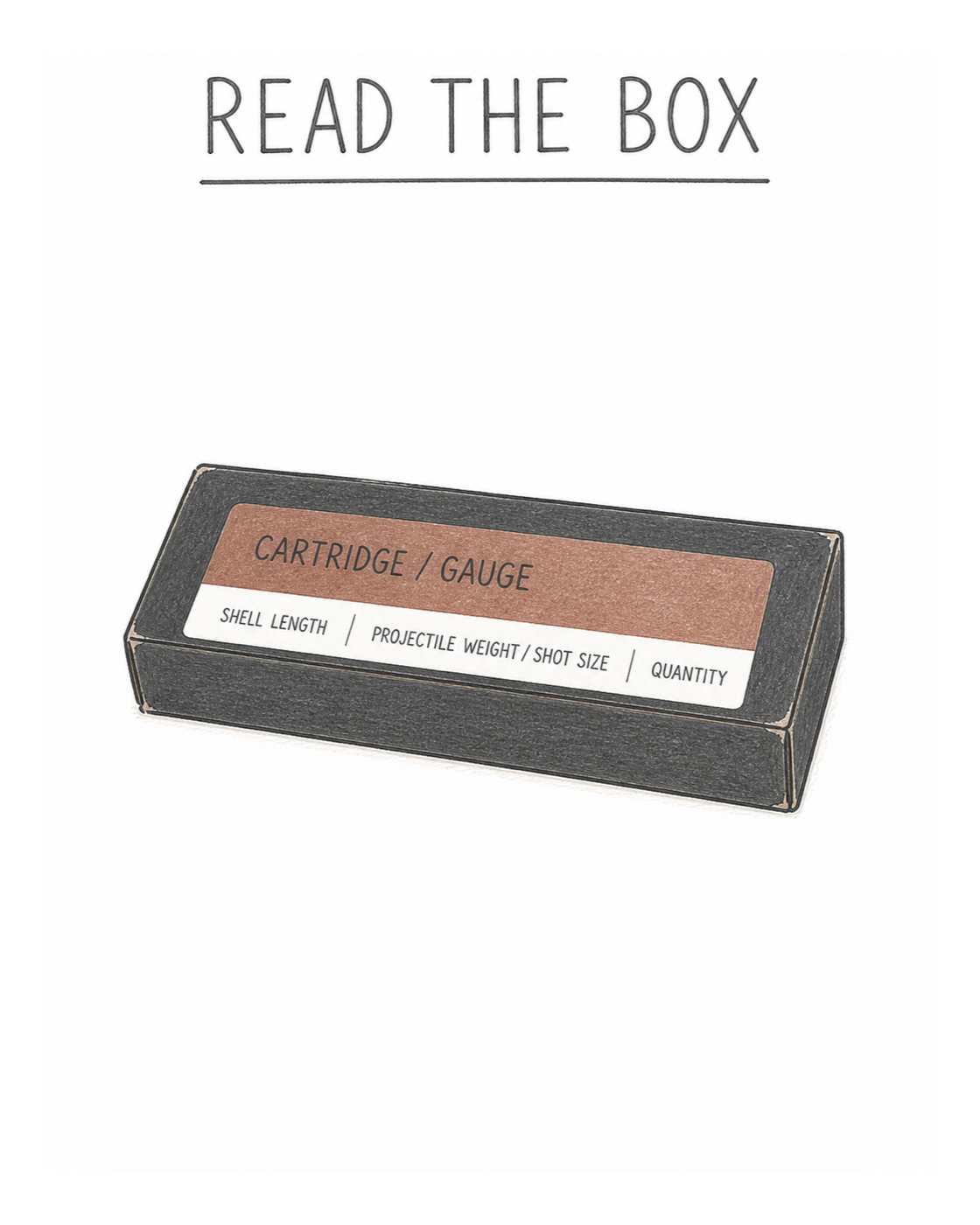
What an Ammunition Box Tells You
A beginner’s guide to cartridge names, bullet weight, shotshell markings, and the information worth checking on factory ammunition.
 Fieldcraft
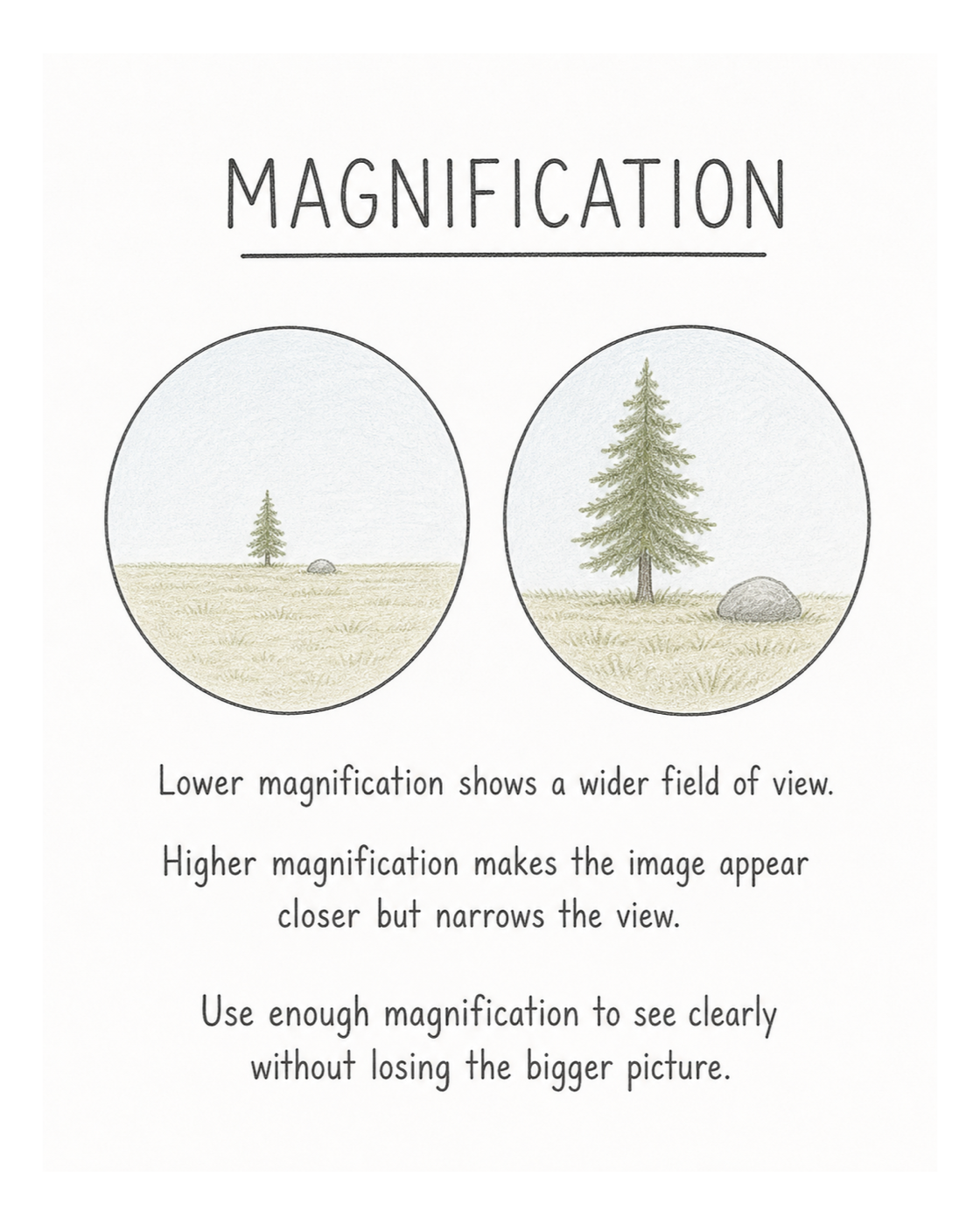
A Beginner’s Scouting Notebook
Five observations worth recording every time you walk a piece of hunting country.