OR / Upland Birds
Oregon
Upland Birds.
A beginner-friendly guide to Oregon chukar, quail, grouse, pheasant, and partridge, with validations, HIP, special permits, varied habitat, safe walking, shooting, and retrieval.
Official upland birds page ↗01 / Overview
Start with the shape of the hunt.
Oregon supports an unusually broad upland mix, from coastal and Cascade grouse to valley pheasant and quail, eastern Oregon chukar and partridge, and specialized sage-grouse opportunity.
A hunting license, upland validation, HIP, permits, or special tags can apply differently by species and property. Turkey is handled separately because its tag and tactics differ.
Upland birds are among Oregon’s best entry points because a beginner can choose one bird, walk habitat, practice identification, and learn access without waiting for a big-game draw.
02 / Opportunity
Is this a good state for this hunt?
Bird opportunity exists in every broad region, but the best first hunt is the species and property you can scout and revisit safely.
Private agricultural land, wildlife-area rules, fee pheasant programs, special permits, drought, fire, steep chukar terrain, and dog safety can change accessibility.
A dog can help but is not required. Careful movement, partner spacing, identification, shot selection, and determined retrieval matter more.
04 / Planning strategy
Pick one bird and learn its Oregon.
For chukar, build from rocky slopes, feed, water, heat, and a safe descent. For grouse, quail, or pheasant, start with the species’ actual cover and local access pattern.
Use current ODFW reports, maps, wildlife areas, Access and Habitat projects, and recent scouting rather than assuming last season’s birds remain in one spot.
Plan partner spacing, safe arcs, dog water, turnaround time, marking, retrieval, and field care before climbing or entering dense cover.
05 / Seasons
Learn the categories. Check the dates.
Oregon publishes separate seasons and rules for pheasant, chukar, partridge, quail, grouse, sage-grouse, dove, pigeon, falconry, youth, and other categories.
Use the current game-bird publication and property manager for exact dates, areas, limits, legal methods, validations, permits, and closures.
Open the current official digest ↗06 / Habitat
Where they live.
Rocky chukar country
Broken slopes, grass, rimrock, water, heat, wind, fire, road access, and a safe descent define the day.
Forest grouse cover
Timber edge, berries, roads, elevation, young forest, weather, identification, and safe visibility shape opportunity.
Valley and basin birds
Agriculture, brush, riparian cover, field edges, private permission, wildlife areas, and stocking programs can concentrate pheasant and quail.
07 / Methods
Match the method to the exact hunt.
Walk-up without a dog
Move slowly, pause, zigzag safely, keep partners aligned, and shoot only positively identified birds within a clear arc.
Hunting with a dog
A trained dog can locate and retrieve birds, but heat, cliffs, water, roads, snakes, other hunters, and control remain critical.
Specialized hunts
Permit hunts, fee pheasant areas, sage-grouse, migratory upland birds, falconry, and youth categories require separate current rules.
Current legal methods, ammunition rules, and hunt-specific restrictions come from CDFW and the applicable land manager.
08 / Beginner strategy
If I wanted to start, what would I actually do?
- 01
Read the current ODFW material
Start with ODFW’s current page and regulation entry for upland birds. Record the exact license, tag, validation, hunt number, area, season, method, and reporting rules.
Official resource ↗ - 02
Confirm the opportunity path
Determine whether the hunt is general, controlled, limited by a quota, or requires a tag, permit, validation, HIP survey, stamp, reservation, check-in, or other current authorization.
- 03
Prove access and boundaries
Confirm the exact hunt area or property, legal entry, private boundaries, land-manager rules, travel management, fire closures, road conditions, and a backup route.
- 04
Scout the real constraints
Record exact species, calls, tracks, droppings, food, water, escape cover, slopes, fire, weather, ownership, pressure, safe routes, dog risk, and retrieval cover.
- 05
Practice the complete field sequence
Practice identification, safe carries, partner spacing, mounting, short crossing shots, marking birds, complete retrieval, dog control, field care, and possession limits.
- 06
Recheck, tag, and report
Immediately before hunting, recheck regulations, weather, fire, roads, access, equipment, and documents. Validate any harvest correctly and complete every required outcome report or checkout afterward.
09 / Current information
Official resources.
Official species, validation, habitat, technique, identification, and field-care guidance.
Official source ↗Start hunting Oregon game birdsOfficial beginner path for upland birds, turkey, waterfowl, safety, access, and practice.
Official source ↗Oregon game bird huntingOfficial upland bird, turkey, waterfowl, validation, regulation, and access resources.
Official source ↗Current Oregon hunting regulationsOfficial hub for current big-game, game-bird, and furbearer regulation publications and updates.
Official source ↗How to buy an Oregon license or tagOfficial directions for MyODFW accounts, licenses, tags, permits, paper documents, and electronic documents.
Official source ↗ODFW hunting access mapsOfficial wildlife management, deer hunt area, wildlife area, Access and Habitat, and travel-management maps.
Official source ↗Oregon legal hunting methodsOfficial overview of species-specific weapon and ammunition restrictions with links to current regulations.
Keep learning
Useful before a upland birds hunt.
Existing Sportsman’s Illustrated lessons are connected by slug, so this section can grow without duplicating article content.
 Hunter Education
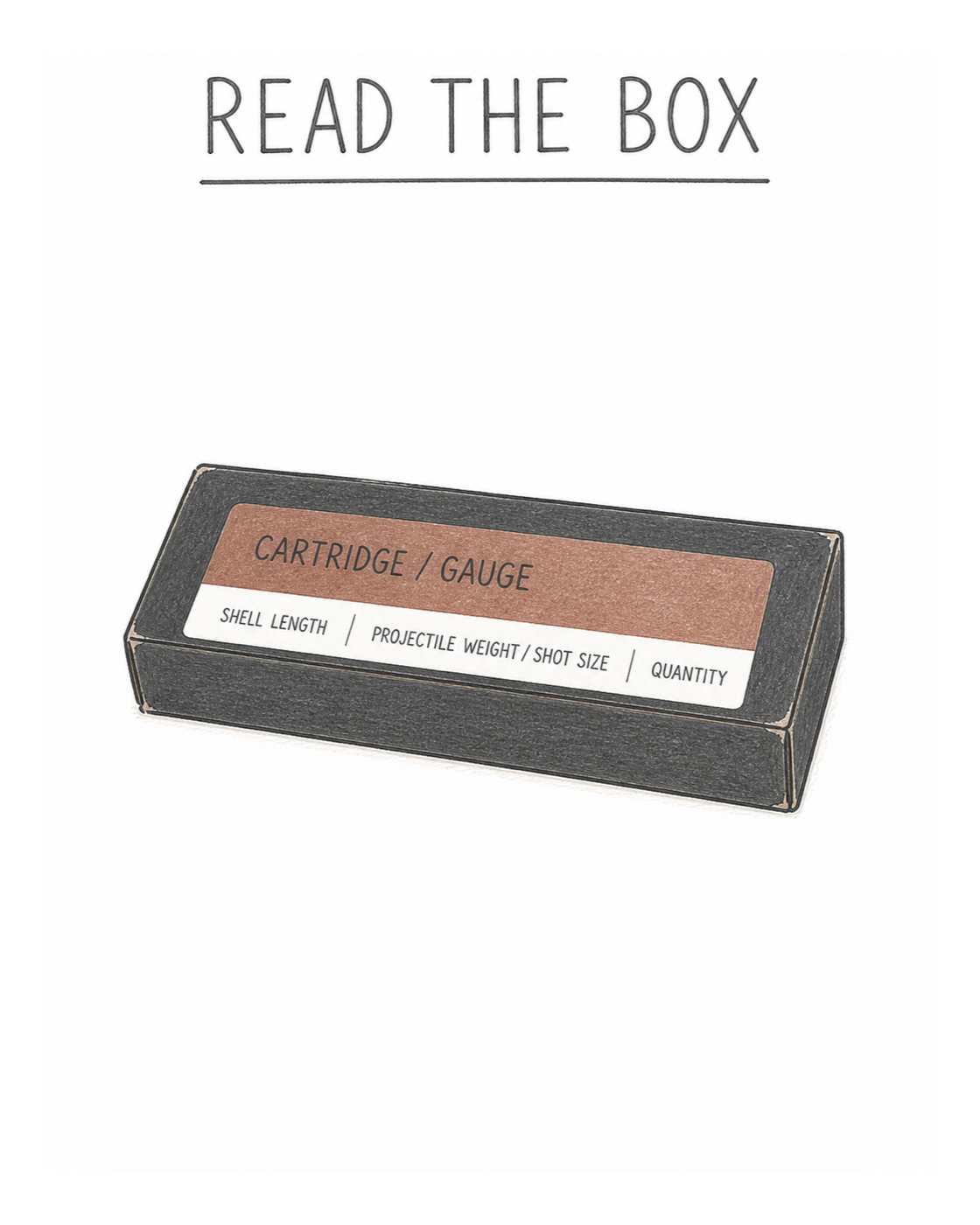
What an Ammunition Box Tells You
A beginner’s guide to cartridge names, bullet weight, shotshell markings, and the information worth checking on factory ammunition.
 Fieldcraft
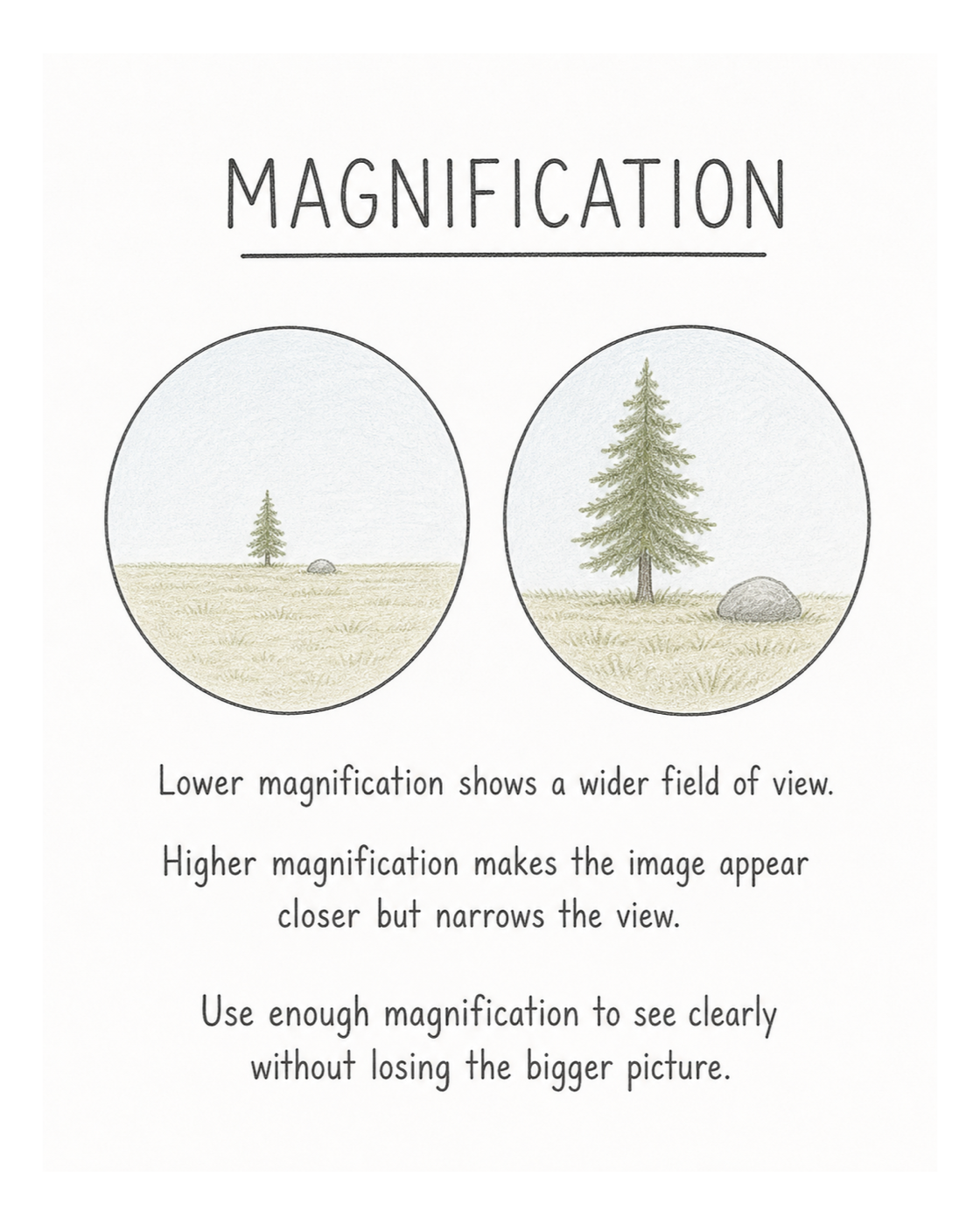
A Beginner’s Scouting Notebook
Five observations worth recording every time you walk a piece of hunting country.