OR / Big Game
Oregon
Wild Pig.
A practical guide to Oregon feral swine, scarce distribution, year-round public-land opportunity, private-land rules, identification, access, and recovery.
Official wild pig page ↗01 / Overview
Start with the shape of the hunt.
Feral swine are invasive in Oregon and are currently uncommon, with most known animals on private land. This is potential opportunity, not a dependable statewide hunt.
ODFW states that feral swine may be taken year-round on public land with a hunting license and no bag limit. On private land, a person acting with landowner permission can fall under separate predatory-animal rules.
The animal must meet Oregon’s current feral-swine definition. Access, domestic-livestock identification, permission, safe shooting, tracking, disease precautions, and meat cooling control the plan.
02 / Opportunity
Is this a good state for this hunt?
The legal season is broad, but very low abundance makes a dedicated public-land hunt uncertain.
Most potential opportunity is tied to private ground, and permission must be explicit before scouting or hunting.
A beginner should treat verified local presence as the starting point and avoid confusing escaped domestic pigs with legally defined feral swine.
04 / Planning strategy
Verify animals and permission before planning the hunt.
Begin with current local reports or landowner contact, not generic habitat, because Oregon has very few feral swine.
Secure access in writing where practical and record fences, livestock, homes, roads, safe directions, food, water, rooting, and cover.
Set conservative identification, shot, tracking, disease-handling, temperature, and recovery limits.
05 / Seasons
Learn the categories. Check the dates.
ODFW currently describes year-round public-land opportunity with a hunting license and no bag limit, plus distinct private-land rules.
Use current ODFW guidance, Oregon Department of Agriculture criteria, and the controlling land manager or landowner before every hunt.
Open the current official digest ↗06 / Habitat
Where they live.
Private farm and rangeland
Crops, pasture, water, cover, fences, livestock, buildings, and permission determine potential opportunity.
Brush and riparian cover
Rooting, wallows, shade, dense tracking cover, and rapid meat cooling matter after verified presence.
Public-land edge
Low abundance, roads, fire, adjacent private parcels, domestic animals, and safe backstops complicate a broad legal season.
07 / Methods
Match the method to the exact hunt.
Spot and stalk
Confirm the complete animal, ownership context, safe direction, and recovery before approaching.
Still-hunting
Move slowly through fresh verified sign with strict identification and backstop discipline.
Potential landowner opportunity
Build the plan around explicit permission and current private-land predatory-animal rules, not assumptions about public hunting.
Current legal methods, ammunition rules, and hunt-specific restrictions come from CDFW and the applicable land manager.
08 / Beginner strategy
If I wanted to start, what would I actually do?
- 01
Read the current ODFW material
Start with ODFW’s current page and regulation entry for wild pig. Record the exact license, tag, validation, hunt number, area, season, method, and reporting rules.
Official resource ↗ - 02
Confirm the opportunity path
Determine whether the hunt is general, controlled, limited by a quota, or requires a tag, permit, validation, HIP survey, stamp, reservation, check-in, or other current authorization.
- 03
Prove access and boundaries
Confirm the exact hunt area or property, legal entry, private boundaries, land-manager rules, travel management, fire closures, road conditions, and a backup route.
- 04
Scout the real constraints
Record verified feral-swine sign, permission, ownership, domestic pigs, fences, food, water, rooting, wallows, roads, homes, livestock, fire, safe backstops, temperature, and recovery.
- 05
Practice the complete field sequence
Practice pig identification, safe angles, field positions, tracking, follow-up, full recovery, disease precautions, rapid cooling, transport, and landowner communication.
- 06
Recheck, tag, and report
Immediately before hunting, recheck regulations, weather, fire, roads, access, equipment, and documents. Validate any harvest correctly and complete every required outcome report or checkout afterward.
09 / Current information
Official resources.
Official rabbit, hare, coyote, furbearer, and feral swine hunting guidance.
Official source ↗Current Oregon hunting regulationsOfficial hub for current big-game, game-bird, and furbearer regulation publications and updates.
Official source ↗ODFW hunting access mapsOfficial wildlife management, deer hunt area, wildlife area, Access and Habitat, and travel-management maps.
Official source ↗Oregon legal hunting methodsOfficial overview of species-specific weapon and ammunition restrictions with links to current regulations.
Official source ↗How to buy an Oregon license or tagOfficial directions for MyODFW accounts, licenses, tags, permits, paper documents, and electronic documents.
Keep learning
Useful before a wild pig hunt.
Existing Sportsman’s Illustrated lessons are connected by slug, so this section can grow without duplicating article content.
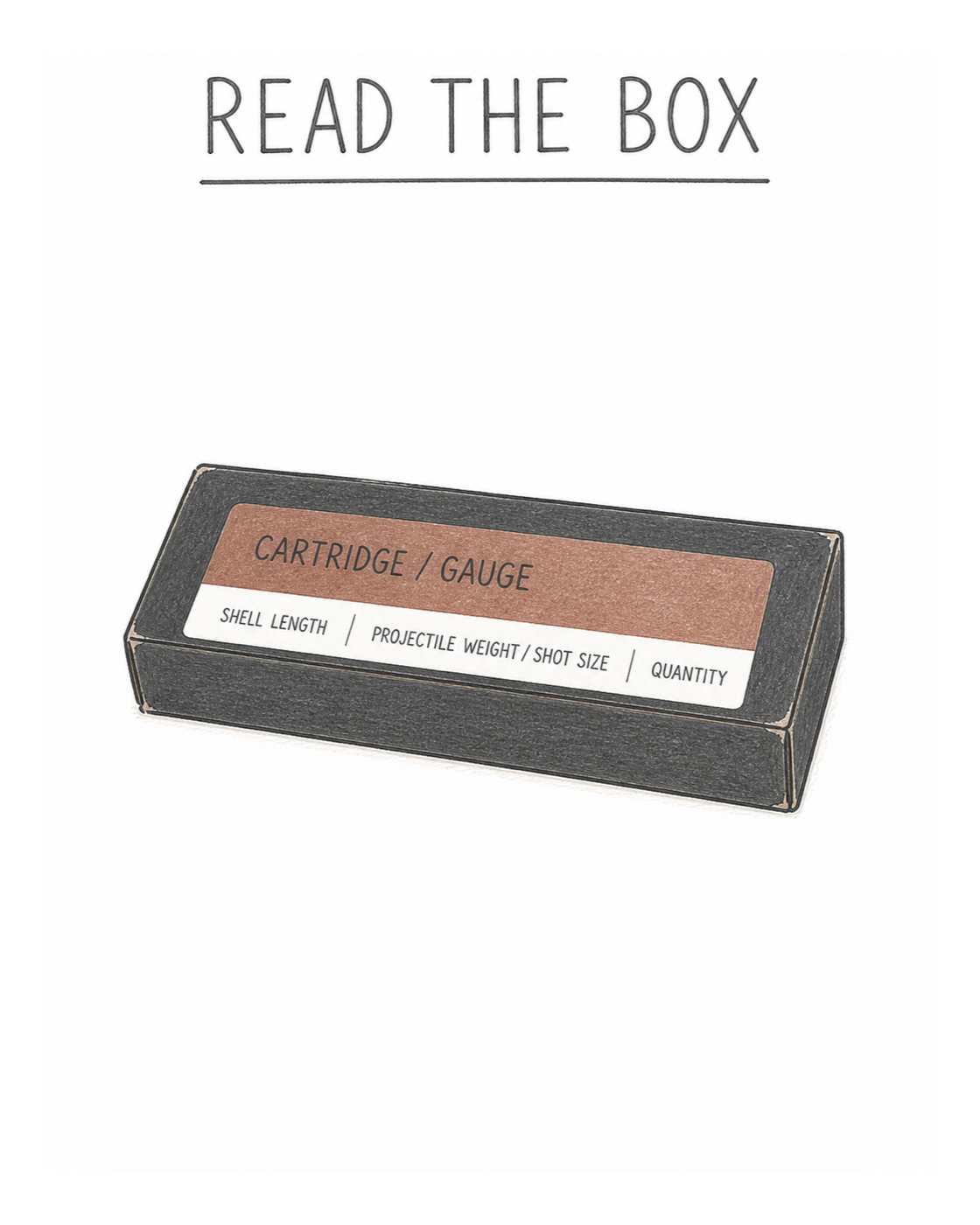 Hunter Education
What an Ammunition Box Tells You
A beginner’s guide to cartridge names, bullet weight, shotshell markings, and the information worth checking on factory ammunition.
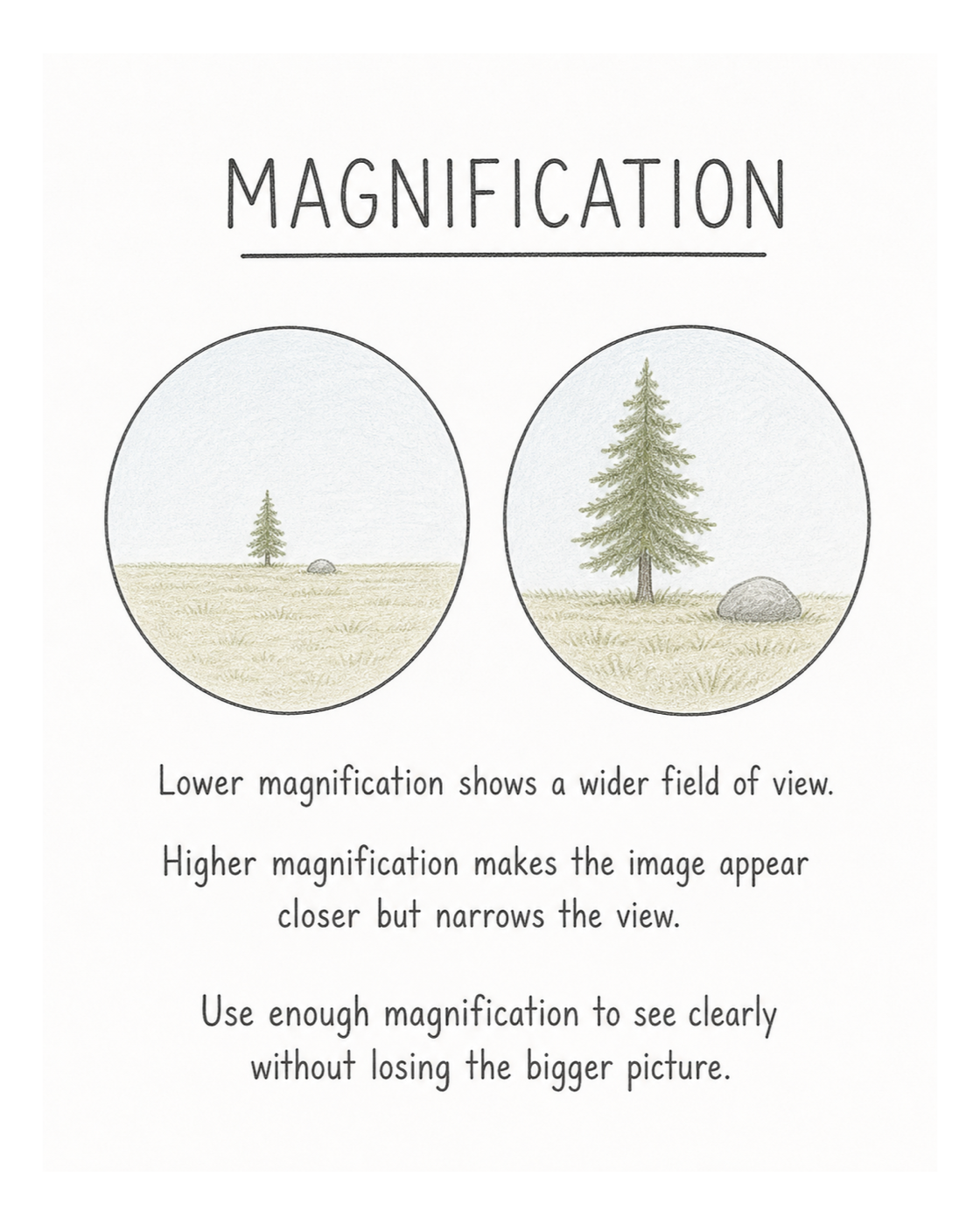 Fieldcraft
A Beginner’s Scouting Notebook
Five observations worth recording every time you walk a piece of hunting country.