AZ / Upland Birds
Arizona
Upland Birds.
A practical guide to Arizona Gambel's, scaled, and Mearns' quail and other current upland opportunity, with habitat, access, identification, dogs, heat, and field safety.
Official upland birds page ↗01 / Overview
Start with the shape of the hunt.
Arizona's three principal quail types occupy different country: Gambel's in desert and riparian brush, scaled quail in grassland and desert scrub, and Mearns' quail in southeastern oak-grassland.
The current small-game publication controls species, area, dates, limits, methods, and possession.
Upland hunting offers repeatable practice in habitat reading, walking, safe gun handling, target identification, retrieval, dog care, heat management, and field notes.
02 / Opportunity
Is this a good state for this hunt?
Quail can be an obtainable first hunt when the hunter chooses one species and short legal routes near home.
Rain, production, elevation, access, fire, private land, and seasonal heat can sharply change bird distribution and hunter safety.
A dog is useful but not required; water, foot care, muzzle control, target identification, and conservative distance matter more.
04 / Planning strategy
Choose one quail and learn its country.
Use the current forecast and recent weather to choose a species and region, then prove legal access and water.
Build short loops around food, water, escape cover, tracks, droppings, calls, elevation, temperature, and wind.
Practice muzzle control, target identification, partner spacing, retrieval, hydration, and dog safety before adding distance.
05 / Seasons
Learn the categories. Check the dates.
Arizona publishes upland birds opportunity through the exact regulation booklet, hunt number or season table, unit, legal animal, method, dates, and eligibility. Those details can change between cycles.
Use the current AZGFD regulations, issued tag or permit-tag, live harvest status, Game Management Unit page, and controlling land manager for the authoritative dates, boundaries, methods, closures, and reporting duties.
Open the current official digest ↗06 / Habitat
Where they live.
Gambel's desert
Washes, mesquite, palo verde, cactus, seeds, water, brush escape cover, roads, and heat shape coveys.
Scaled quail grassland
Grass, shrubs, open running cover, water, ranch access, wind, and long walking define the hunt.
Mearns' oak country
Oak savanna, grass, shaded slopes, moisture, private parcels, elevation, and hidden coveys require slow work.
07 / Methods
Match the method to the exact hunt.
Walk-up hunting
Plan short legal loops, safe partner spacing, ready positions, target identification, and retrieval.
Hunting with a dog
Condition the dog, carry water and first aid, and plan for heat, cactus, snakes, cliffs, roads, and traps.
Listening and sign
Use calls, tracks, droppings, dusting, scratching, and food to slow down in productive cover.
Current legal methods, ammunition rules, and hunt-specific restrictions come from CDFW and the applicable land manager.
08 / Beginner strategy
If I wanted to start, what would I actually do?
- 01
Read the current AZGFD rules
Begin with the current official page and regulation entry for upland birds. Write down every license, tag, hunt number, unit, date, legal animal, method, limit, and reporting requirement.
Official resource ↗ - 02
Confirm how the opportunity is issued
Determine whether the exact hunt uses a draw permit-tag, bonus point, nonpermit tag, general small-game privilege, migratory credential, harvest threshold, or another current authorization.
- 03
Prove the unit and access
Confirm boundaries, land administration, legal entry, private and tribal property, road and vehicle rules, fire restrictions, water, weather, closures, and a backup route.
- 04
Scout the real constraints
Record exact quail, calls, tracks, droppings, food, water, cover, elevation, weather, roads, boundaries, access, pressure, dog hazards, heat, and retrieval.
- 05
Practice the complete sequence
Practice bird identification, muzzle control, loading and unloading, partner zones, moving shots inside your skill, retrieval, dog safety, hydration, possession, and field care.
- 06
Recheck, tag, inspect, and report
Immediately before hunting, recheck live status, rules, weather, roads, access, and documents. Afterward, complete every tag validation, report, inspection, sample, questionnaire, and transport duty on time.
09 / Current information
Official resources.
Official regional outlook for quail, rabbits, tree squirrels, and other small game.
Official source ↗Current Arizona hunting regulationsOfficial current big-game, spring, migratory-bird, waterfowl, and trapping regulation publications.
Official source ↗Arizona places to huntOfficial Game Management Unit maps, species information, land administration, access notices, and hunt-planning entry points.
Keep learning
Useful before a upland birds hunt.
Existing Sportsman’s Illustrated lessons are connected by slug, so this section can grow without duplicating article content.
 Rifle Hunting
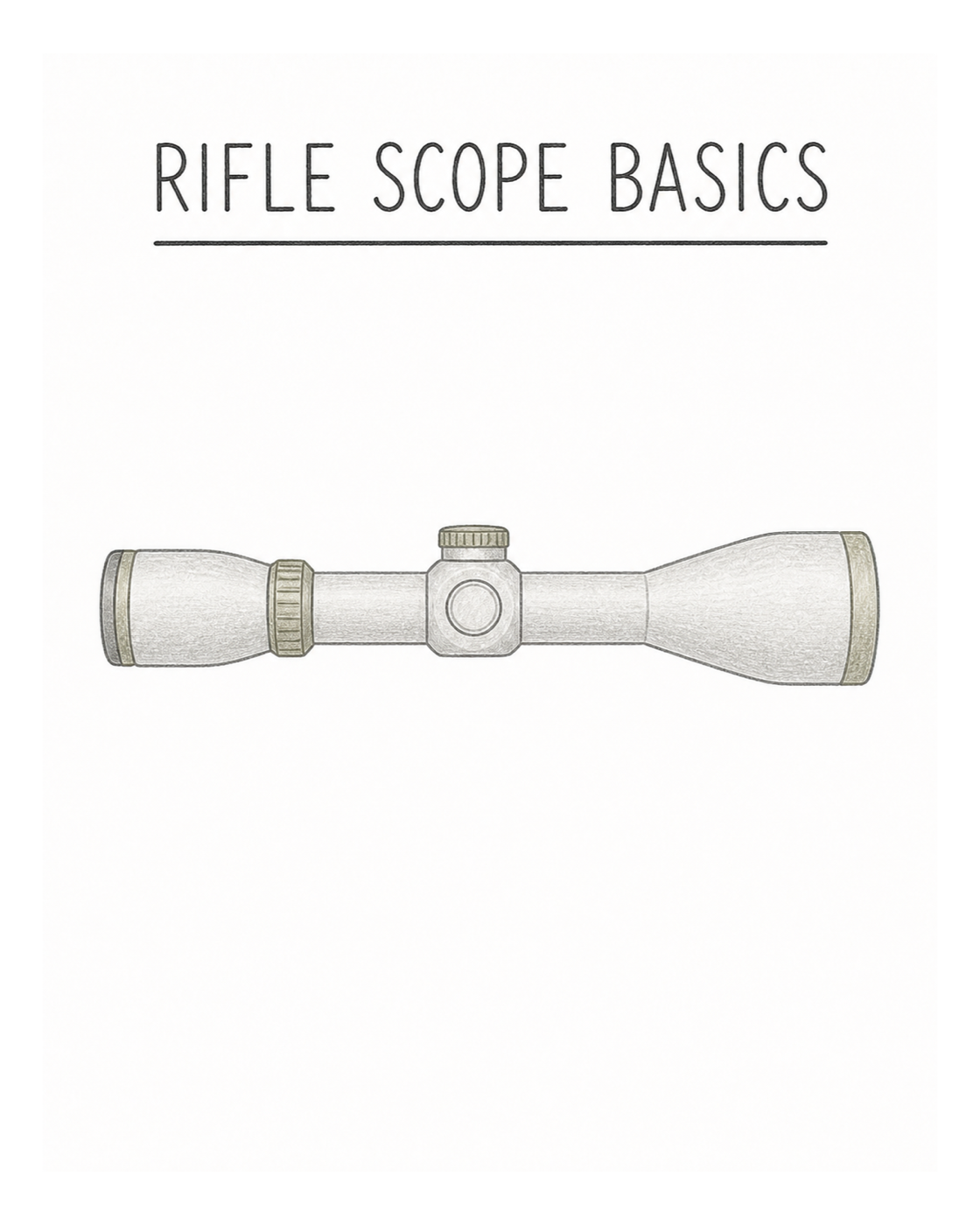
How to Read a Rifle Scope
What the numbers mean, which other specifications matter, and how to make sense of your first hunting optic.
 Hunter Education
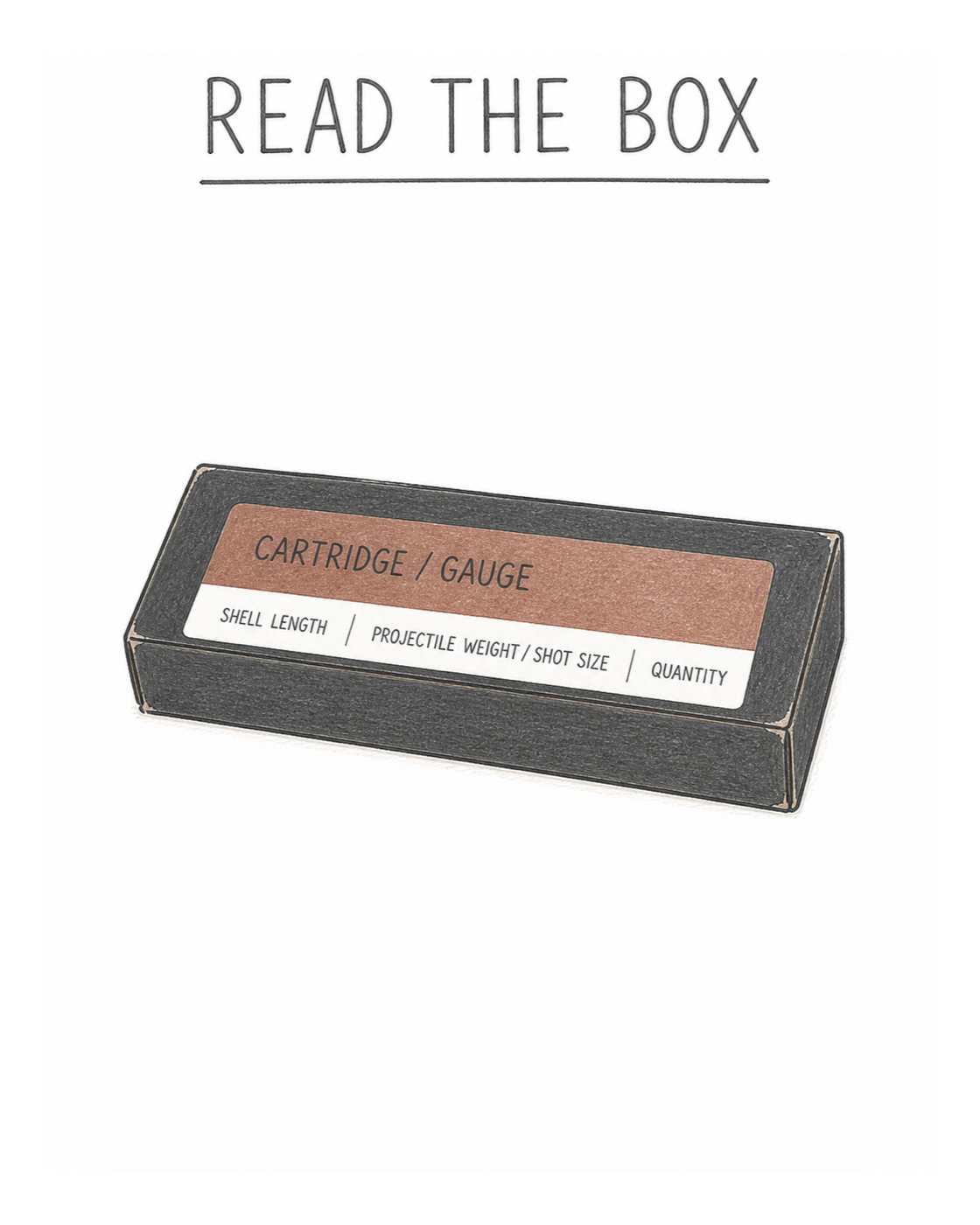
What an Ammunition Box Tells You
A beginner’s guide to cartridge names, bullet weight, shotshell markings, and the information worth checking on factory ammunition.
 Fieldcraft
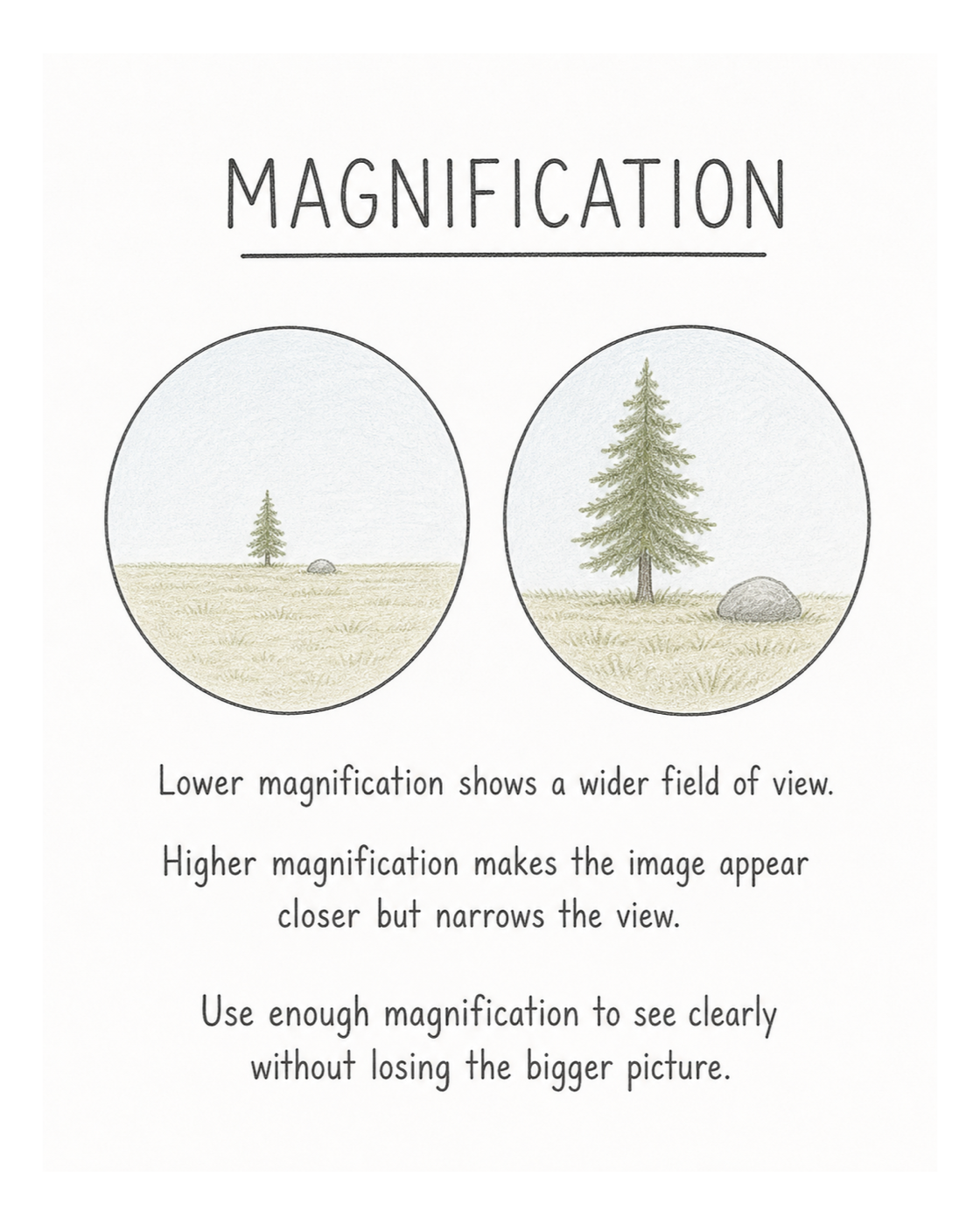
A Beginner’s Scouting Notebook
Five observations worth recording every time you walk a piece of hunting country.