CA / Big Game
California
Bighorn Sheep.
A realistic guide to California bighorn sheep applications, hunt zones, extreme terrain, access, physical preparation, and long-term planning.
Official bighorn sheep page ↗01 / Overview
Start with the shape of the hunt.
California bighorn sheep hunting is a highly limited drawing opportunity. It is a long-term application goal, not a reliable way to begin hunting this season.
Hunt zones can involve desert mountain ranges, remote wilderness, high elevation, scarce vehicle access, and strenuous recovery. The physical and logistical demands can be as important as finding sheep.
A good applicant studies the exact hunt before applying and keeps building mountain, navigation, glassing, and field-care experience elsewhere.
02 / Opportunity
Is this a good state for this hunt?
Tag quotas are very small relative to interest. Even a well-planned application may never become a hunt.
Some zones require exceptional fitness, comfort with exposure and elevation, water planning, and the ability to travel away from roads.
The responsible approach is to apply only for hunts you can safely complete and to maintain an annual hunting life that does not depend on drawing sheep.
04 / Planning strategy
Apply only for a hunt you could actually finish.
Do not select a code solely because the odds look different. Study terrain, access, elevation, season timing, travel, recovery, and your ability to scout.
Build transferable skills through backpacking, desert travel, glassing, navigation, and other big-game hunts while treating sheep as a separate long-term goal.
If drawn, contact the official unit resource early and construct a conservative plan for water, weather, communication, emergency response, and recovery help.
05 / Seasons
Learn the categories. Check the dates.
CDFW publishes annual bighorn hunt codes, zones, dates, quotas, and terrain notes. Those current details define the opportunity.
Use the official bighorn page and Big Game Hunting Digest rather than copying dates or conditions from a past season.
Open the current official digest ↗06 / Habitat
Where they live.
Desert mountain ranges
Water, heat, shade, distance, road restrictions, and steep broken terrain shape both scouting and safety.
High-elevation country
Altitude, weather, exposure, limited access, and strenuous climbs can require a different level of preparation.
Escape terrain and glassing basins
Sheep can be visible at long range while remaining difficult to approach or recover from legally and safely.
07 / Methods
Match the method to the exact hunt.
Long-duration glassing
Develop a repeatable system for covering terrain, judging animals, and relocating them after they move behind terrain.
Careful approach
Plan around wind, visibility, safe footing, legal boundaries, and a recovery route before closing distance.
General-method execution
Confirm equipment rules and practice stable positions, but never let shooting preparation eclipse mountain safety and identification.
Current legal methods, ammunition rules, and hunt-specific restrictions come from CDFW and the applicable land manager.
08 / Beginner strategy
If I wanted to start, what would I actually do?
- 01
Read the official species page
Start with CDFW’s current bighorn sheep page. Write down the license items, validations, applications, dates, limits, and reporting duties that apply to the exact hunt.
Official resource ↗ - 02
Confirm how the opportunity works
Determine whether the hunt uses a tag, drawing, reservation, validation, special permit, or general opportunity. Never assume one species works like another.
- 03
Prove legal access
Identify the parcel, managing agency, entry route, closures, boundary, and any check-station or property procedure before treating it as a hunt plan.
- 04
Scout the useful details
Study terrain, water, legal routes, elevation, road restrictions, glassing positions, communication gaps, weather, and the complete recovery problem.
- 05
Practice the complete field sequence
Build mountain fitness, navigation, emergency judgment, glassing discipline, identification, stable shooting, field care, and teamwork before a tag ever arrives.
- 06
Run a final current-information check
Recheck CDFW regulations, land-manager notices, fire or weather closures, required documents, equipment, and reporting instructions immediately before the hunt.
09 / Current information
Official resources.
Official bighorn sheep zones, drawing information, hunt details, and statistics.
Official source ↗California Big Game Hunting DigestCurrent official digest for big-game seasons, quotas, zones, and drawing information.
Official source ↗Big game tags and drawingOfficial drawing, preference point, tag return, and big-game application guidance.
Official source ↗Current hunting regulationsCurrent mammal, bird, waterfowl, upland, and land-use regulation publications.
Official source ↗Hunting licenses and tagsOfficial license, tag, validation, and reporting information.
Official source ↗CDFW Lands ViewerOfficial map for CDFW wildlife areas, ecological reserves, and facilities.
Keep learning
Useful before a bighorn sheep hunt.
Existing Sportsman’s Illustrated lessons are connected by slug, so this section can grow without duplicating article content.
 Rifle Hunting
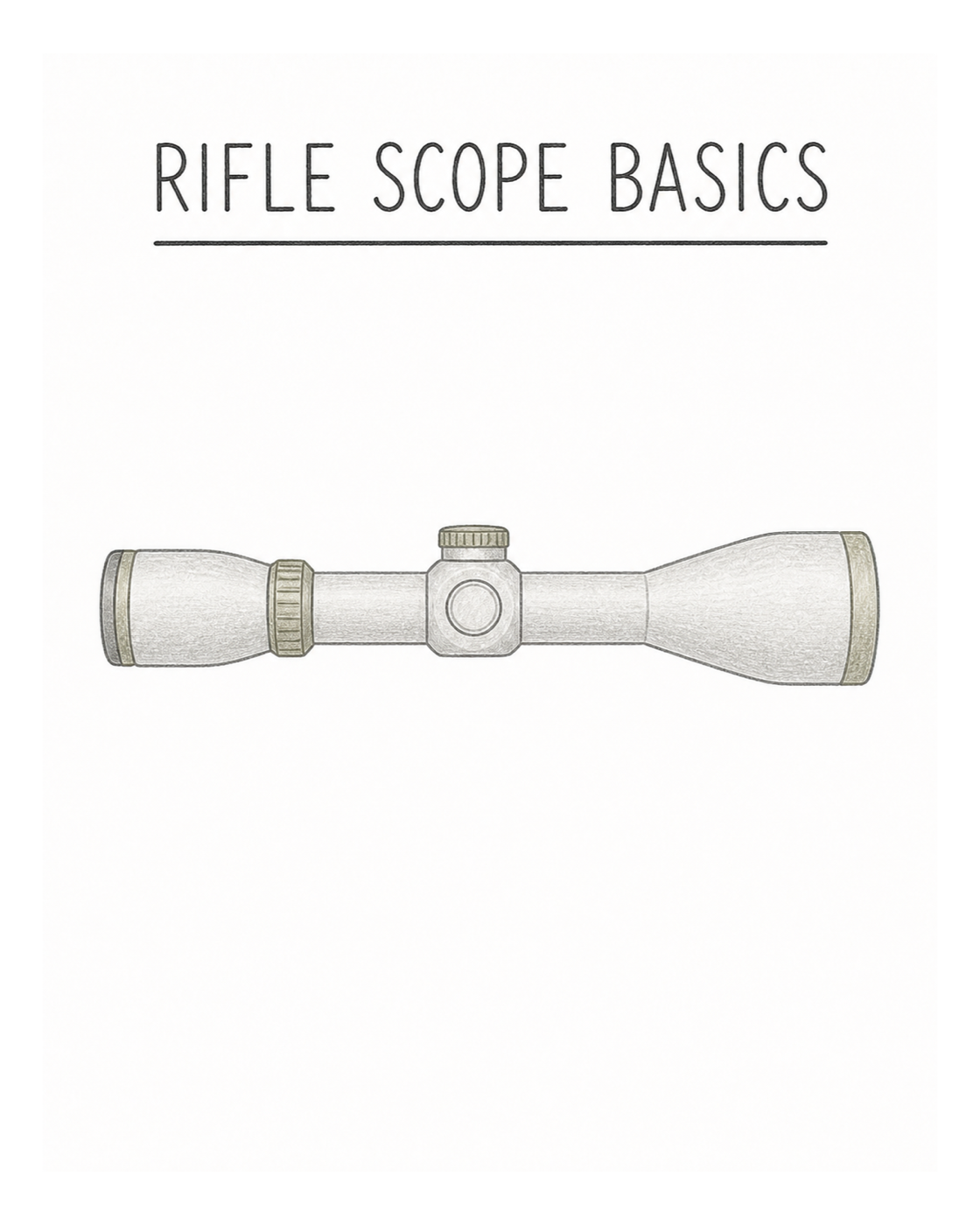
How to Read a Rifle Scope
What the numbers mean, which other specifications matter, and how to make sense of your first hunting optic.
 Hunter Education
What an Ammunition Box Tells You
A beginner’s guide to cartridge names, bullet weight, shotshell markings, and the information worth checking on factory ammunition.
 Fieldcraft
A Beginner’s Scouting Notebook
Five observations worth recording every time you walk a piece of hunting country.