CA / Big Game
California
Deer.
A plain-English guide to California deer zones, tags, preference points, regular opportunity, habitat, and a realistic first-hunt plan.
Official deer page ↗01 / Overview
Start with the shape of the hunt.
California deer hunting is best understood as a zone-and-tag system, not one statewide season. The tag you hold, the zone or hunt printed on it, the applicable dates, and the land you can legally access all have to line up.
CDFW identifies black-tailed deer and mule deer as the two deer subspecies in California. Habitat and hunting conditions vary widely across their range, from coastal and woodland country to high mountains and open eastern landscapes.
For a beginner, the first objective is not finding the most famous zone. It is choosing an opportunity you can obtain, scout, reach repeatedly, and understand before opening day.
02 / Opportunity
Is this a good state for this hunt?
Deer can be a realistic California big-game starting point, but “available” and “easy” are not the same thing. A hunt can involve steep or brushy terrain, long drives, fragmented access, warm weather, heavy pressure, or a short window to learn unfamiliar country.
Some deer opportunities are managed as premium tags through the annual drawing. Other tags may be sold under different availability rules. CDFW’s current digest and tag pages determine how a specific zone or hunt works in a given year.
A beginner is usually better served by a hunt they can scout and repeat than by choosing only from reputation. Access, time in the field, and a workable tag strategy matter more than the letter printed on a zone map.
04 / Planning strategy
Hunt regularly while building toward something.
Hunt regularly while building toward something. California’s mix of obtainable and premium opportunities makes it possible to gain field experience now while treating a harder-to-draw hunt as a longer-term goal.
California allows a hunter to think in two time horizons. One is the hunt you can realistically do this year. The other is a premium opportunity you may want to pursue through the preference-point system.
That does not mean one universal application recipe is right for everyone. Your first choice, other choices, license, timing, residency, available tags, and target hunt all affect the outcome. Build the plan from the current CDFW digest, not from a memorized formula.
A practical beginner strategy is to identify an obtainable hunt with accessible country, then separately decide whether a premium first-choice application or preference-point option fits your long-term goals.
05 / Seasons
Learn the categories. Check the dates.
California publishes deer seasons by zone, area-specific archery hunts, and additional hunts. Dates and conditions can differ by zone and hunt code.
Use this page to understand the system, then use CDFW’s current deer page and Big Game Hunting Digest for the actual season dates, boundaries, methods, tag quotas, and special conditions.
Open the current official digest ↗06 / Habitat
Where they live.
Coastal and woodland country
Black-tailed deer country can include timber, brush, oak woodland, openings, burns, and edges where food and cover meet.
Mountain and forest country
Elevation, snow, water, fire history, roads, pressure, and seasonal movement can all shape where deer are found.
Eastern and desert-edge country
Mule deer habitat may be more open, but distance, visibility, water, migration, and access still make scouting essential.
The useful local questions
Look for current food, water, bedding cover, travel routes, recent sign, pressure, and a legal route in and out. Habitat names are less useful than knowing what deer need in the exact country you can hunt.
07 / Methods
Match the method to the exact hunt.
Archery
California has archery opportunities, including zone archery periods and area-specific archery hunts. Confirm the exact tag, dates, equipment rules, and zone conditions in the current regulations.
General-season firearms
General-season opportunities depend on the tag and zone. Confirm legal methods, ammunition requirements, shooting restrictions, and land rules before the hunt.
Other hunt-specific methods
Additional hunts can carry method, eligibility, or area restrictions. Treat the current hunt description as controlling.
Current legal methods, ammunition rules, and hunt-specific restrictions come from CDFW and the applicable land manager.
08 / Beginner strategy
If I wanted to start, what would I actually do?
- 01
Choose country before prestige
Start with a zone or hunt you can reach, scout, and revisit. A famous tag is not useful if you cannot learn the ground.
- 02
Read the current digest with a notebook
Write down the exact hunt code, tag classification, application path, dates, boundaries, reporting duties, and questions you still need answered.
Official resource ↗ - 03
Confirm the tag path
Determine whether the opportunity is drawn, available under another issuance rule, or already unavailable. Then confirm how your choices affect points.
Official resource ↗ - 04
Prove access before buying gear
Find the managing agency, legal entry, closures, private boundaries, road conditions, and a backup area. A mapping app is helpful, but the land manager remains the authority.
Official resource ↗ - 05
Scout for a repeatable pattern
Record fresh tracks, droppings, beds, feeding areas, water, cover, wind, other hunters, and what changes between visits.
- 06
Practice the field sequence
Know how you will identify a legal animal, take an ethical shot within your ability, mark the location, follow up, validate and report the tag, recover the animal, and care for meat.
- 07
Recheck before opening day
Review current regulations, fire closures, weather, land access, required documents, equipment, and the conditions printed on your tag.
09 / Current information
Official resources.
Official deer zones, maps, season resources, tags, and reporting links.
Official source ↗California Big Game Hunting DigestCurrent official digest for big-game seasons, quotas, zones, and drawing information.
Official source ↗Big game tags and drawingOfficial drawing, preference point, tag return, and big-game application guidance.
Official source ↗Current hunting regulationsCurrent mammal, bird, waterfowl, upland, and land-use regulation publications.
Official source ↗Hunting licenses and tagsOfficial license, tag, validation, and reporting information.
Official source ↗Hunter education requirementsOfficial requirements, accepted proof, and course information.
Official source ↗CDFW Lands ViewerOfficial map for CDFW wildlife areas, ecological reserves, and facilities.
Keep learning
Useful before a deer hunt.
Existing Sportsman’s Illustrated lessons are connected by slug, so this section can grow without duplicating article content.
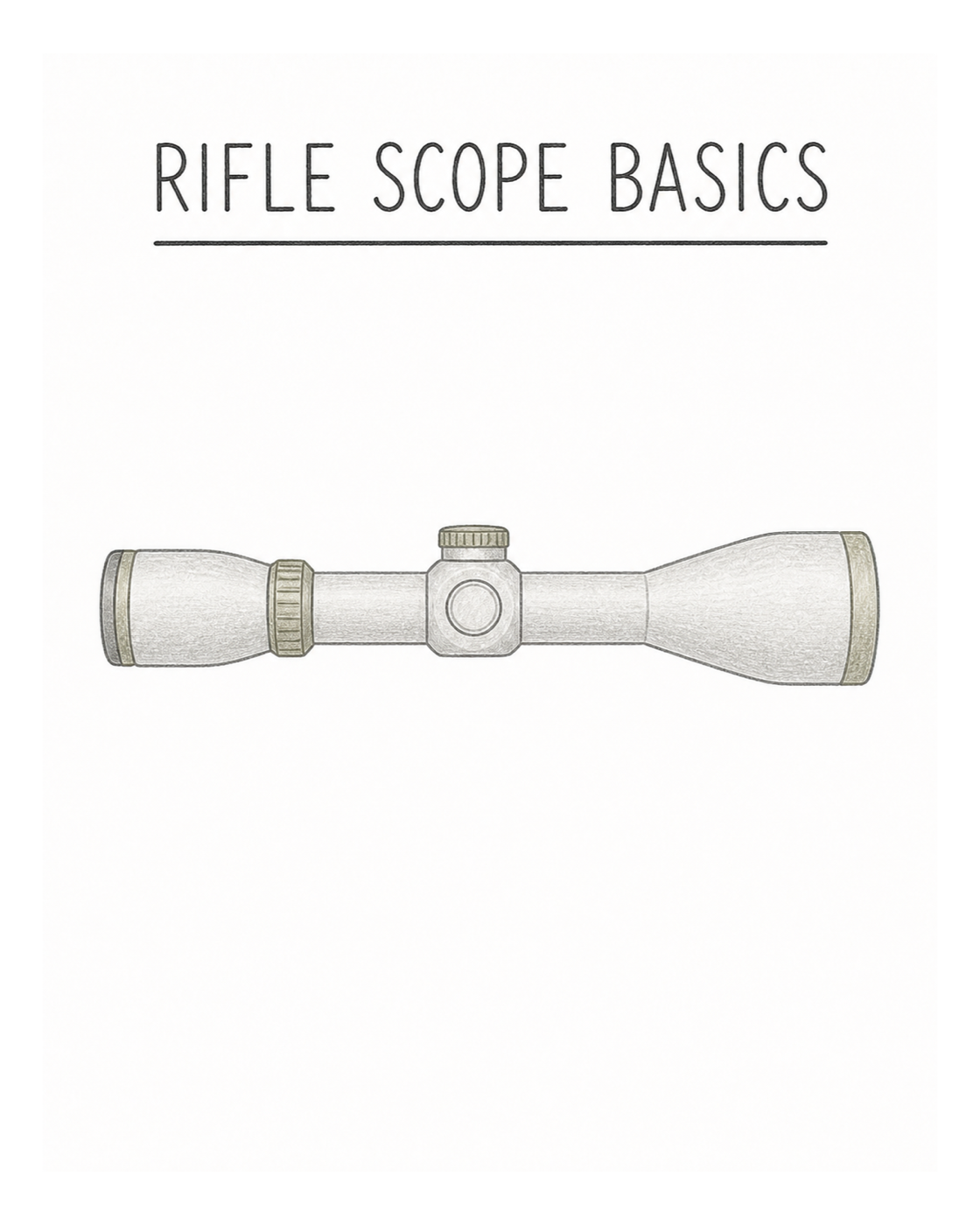 Rifle Hunting
How to Read a Rifle Scope
What the numbers mean, which other specifications matter, and how to make sense of your first hunting optic.
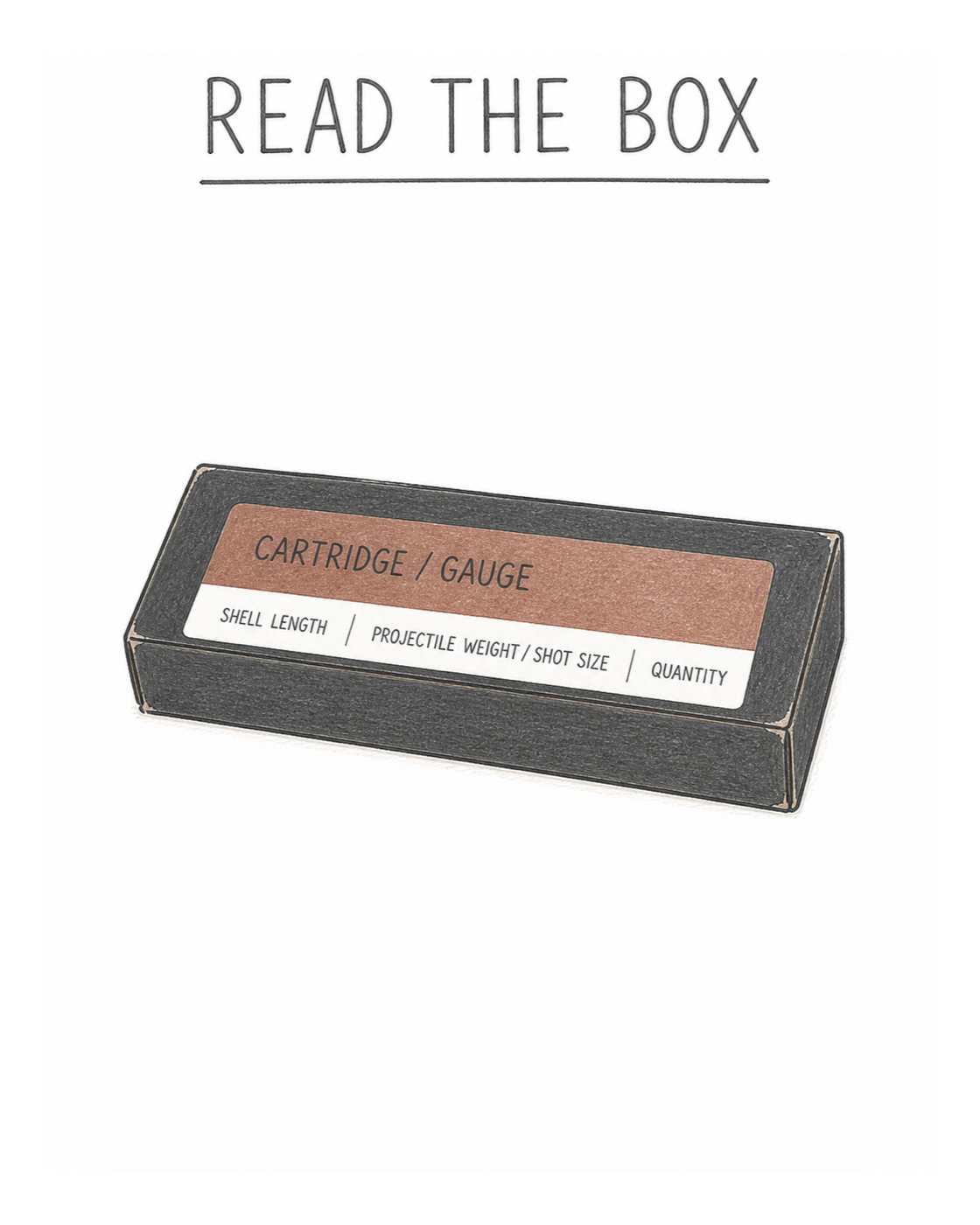 Hunter Education
What an Ammunition Box Tells You
A beginner’s guide to cartridge names, bullet weight, shotshell markings, and the information worth checking on factory ammunition.
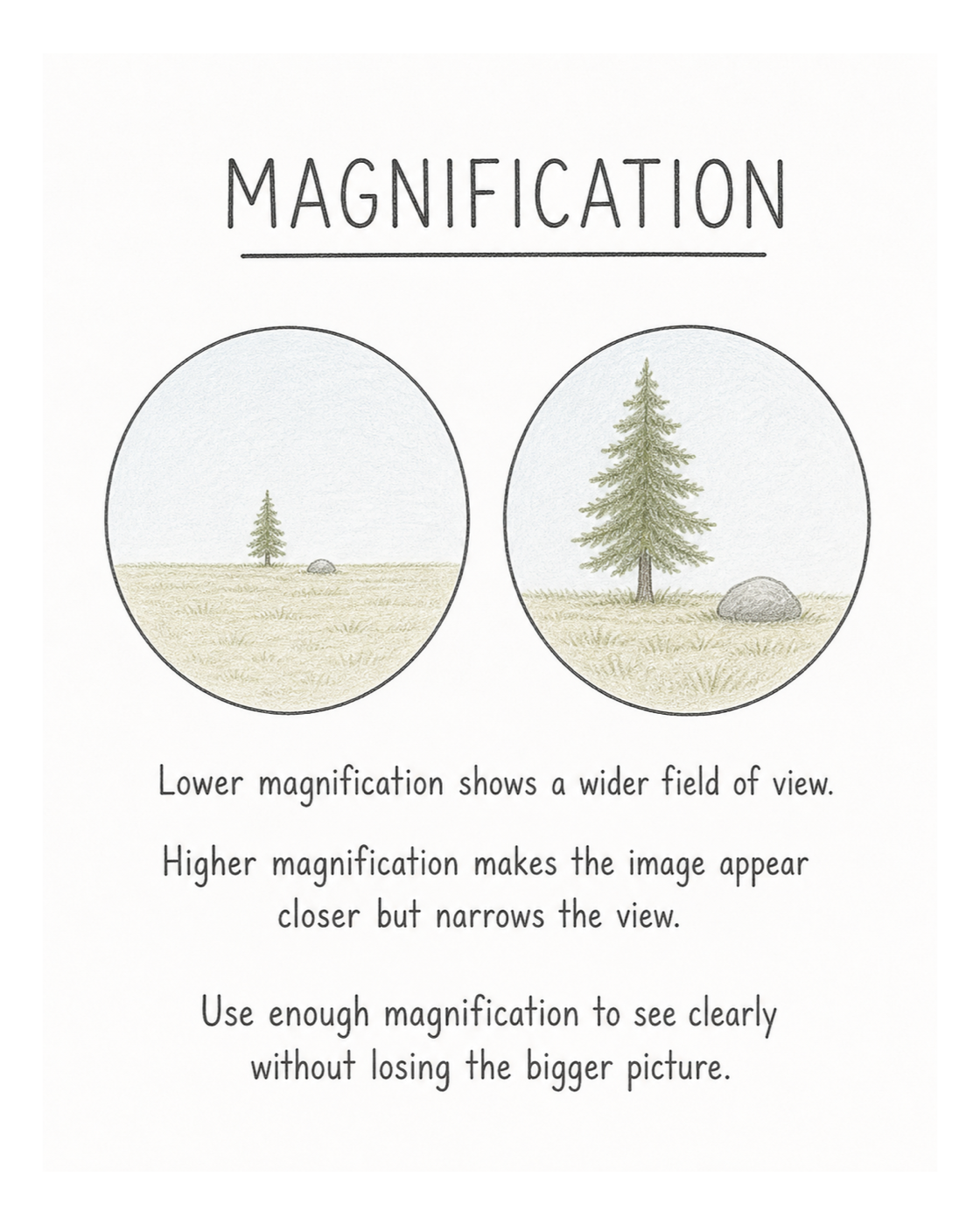 Fieldcraft
A Beginner’s Scouting Notebook
Five observations worth recording every time you walk a piece of hunting country.