CA / Big Game
California
Pronghorn.
A practical guide to California pronghorn drawings, open-country scouting, access, hunt zones, and long-term application strategy.
Official pronghorn page ↗01 / Overview
Start with the shape of the hunt.
California pronghorn hunting is a specialized, limited-entry opportunity concentrated in suitable open country. The annual drawing, exact hunt zone, and access pattern define the hunt.
Open terrain can make animals visible from far away while still making a legal, ethical approach difficult. Distance, wind, roads, private property, and boundary discipline matter.
For most beginners, pronghorn should be an informed application goal rather than the only hunt planned for the year.
02 / Opportunity
Is this a good state for this hunt?
Tag numbers are limited and demand can be high. Drawing a tag is the gateway, not a substitute for understanding the country.
Much of the relevant landscape can be a patchwork of public and private ownership. Previous harvest locations never create permission to cross or hunt private land.
The hunt rewards glassing, map reading, patient stalking, stable shooting, and careful meat-care planning in potentially warm conditions.
04 / Planning strategy
Apply with a huntable plan, not just a code.
Research access before choosing an application. A tag is only valuable if you can reach legal country, scout it, and hunt within the zone conditions.
Separate long-term point strategy from annual field experience. Keep developing glassing, shooting, navigation, and meat-care skills on obtainable hunts.
If drawn, confirm land ownership and boundaries early, then scout from legal roads and vantage points without assuming animals will remain in the same place.
05 / Seasons
Learn the categories. Check the dates.
CDFW publishes pronghorn seasons by hunt code, zone, period, method, and eligibility. The details can change from one annual digest to the next.
Use the official pronghorn page and current digest for dates, quotas, maps, drawing statistics, and legal descriptions.
Open the current official digest ↗06 / Habitat
Where they live.
Open basin and tableland
Visibility can be excellent, but rolling ground, vegetation, distance, and mirage can hide animals or distort judgment.
Sagebrush and grassland edges
Food, water, fences, roads, pressure, and daily movement help explain where animals spend time.
Working landscapes
Agriculture and ranching can overlap pronghorn range, which makes respectful landowner communication and boundary knowledge essential.
07 / Methods
Match the method to the exact hunt.
General-method hunts
Build a stable field position and know your actual distance limit before the hunt. Open country does not excuse marginal shooting.
Archery hunts
Stalking cover may be limited. Wind, terrain folds, patience, and realistic close-range practice become central.
Apprentice opportunities
Eligibility and hunt conditions are code-specific. Confirm the current rules before applying for a junior hunter.
Current legal methods, ammunition rules, and hunt-specific restrictions come from CDFW and the applicable land manager.
08 / Beginner strategy
If I wanted to start, what would I actually do?
- 01
Read the official species page
Start with CDFW’s current pronghorn page. Write down the license items, validations, applications, dates, limits, and reporting duties that apply to the exact hunt.
Official resource ↗ - 02
Confirm how the opportunity works
Determine whether the hunt uses a tag, drawing, reservation, validation, special permit, or general opportunity. Never assume one species works like another.
- 03
Prove legal access
Identify the parcel, managing agency, entry route, closures, boundary, and any check-station or property procedure before treating it as a hunt plan.
- 04
Scout the useful details
Map legal access, private boundaries, glassing points, water, fences, road pressure, animal movement, and safe approach routes inside the exact hunt zone.
- 05
Practice the complete field sequence
Practice range estimation, wind judgment, stable positions, animal identification, shot restraint, follow-up, and rapid field care in warm open country.
- 06
Run a final current-information check
Recheck CDFW regulations, land-manager notices, fire or weather closures, required documents, equipment, and reporting instructions immediately before the hunt.
09 / Current information
Official resources.
Official pronghorn zones, hunt information, drawing links, maps, and harvest resources.
Official source ↗California Big Game Hunting DigestCurrent official digest for big-game seasons, quotas, zones, and drawing information.
Official source ↗Big game tags and drawingOfficial drawing, preference point, tag return, and big-game application guidance.
Official source ↗Current hunting regulationsCurrent mammal, bird, waterfowl, upland, and land-use regulation publications.
Official source ↗Hunting licenses and tagsOfficial license, tag, validation, and reporting information.
Official source ↗CDFW Lands ViewerOfficial map for CDFW wildlife areas, ecological reserves, and facilities.
Keep learning
Useful before a pronghorn hunt.
Existing Sportsman’s Illustrated lessons are connected by slug, so this section can grow without duplicating article content.
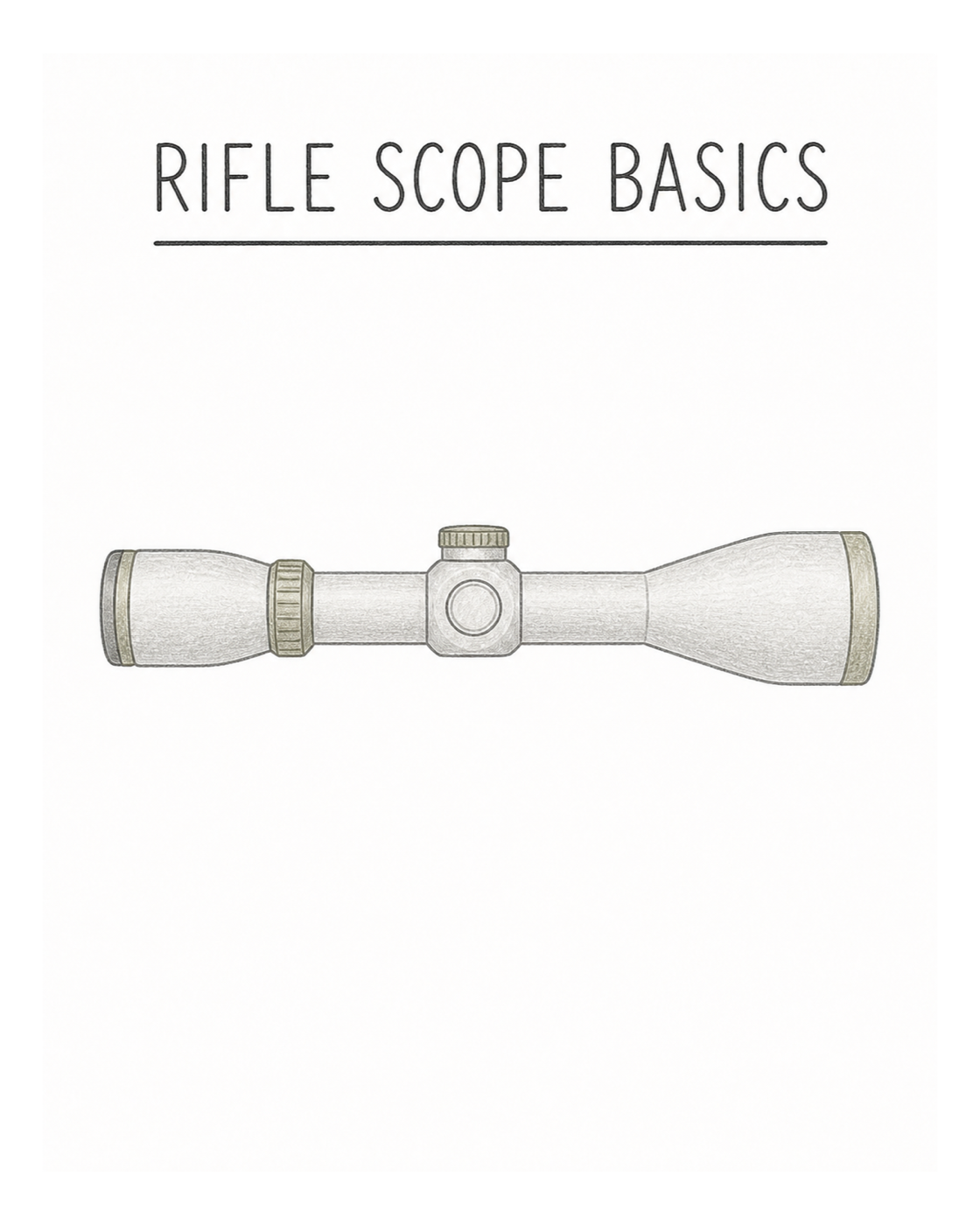 Rifle Hunting
How to Read a Rifle Scope
What the numbers mean, which other specifications matter, and how to make sense of your first hunting optic.
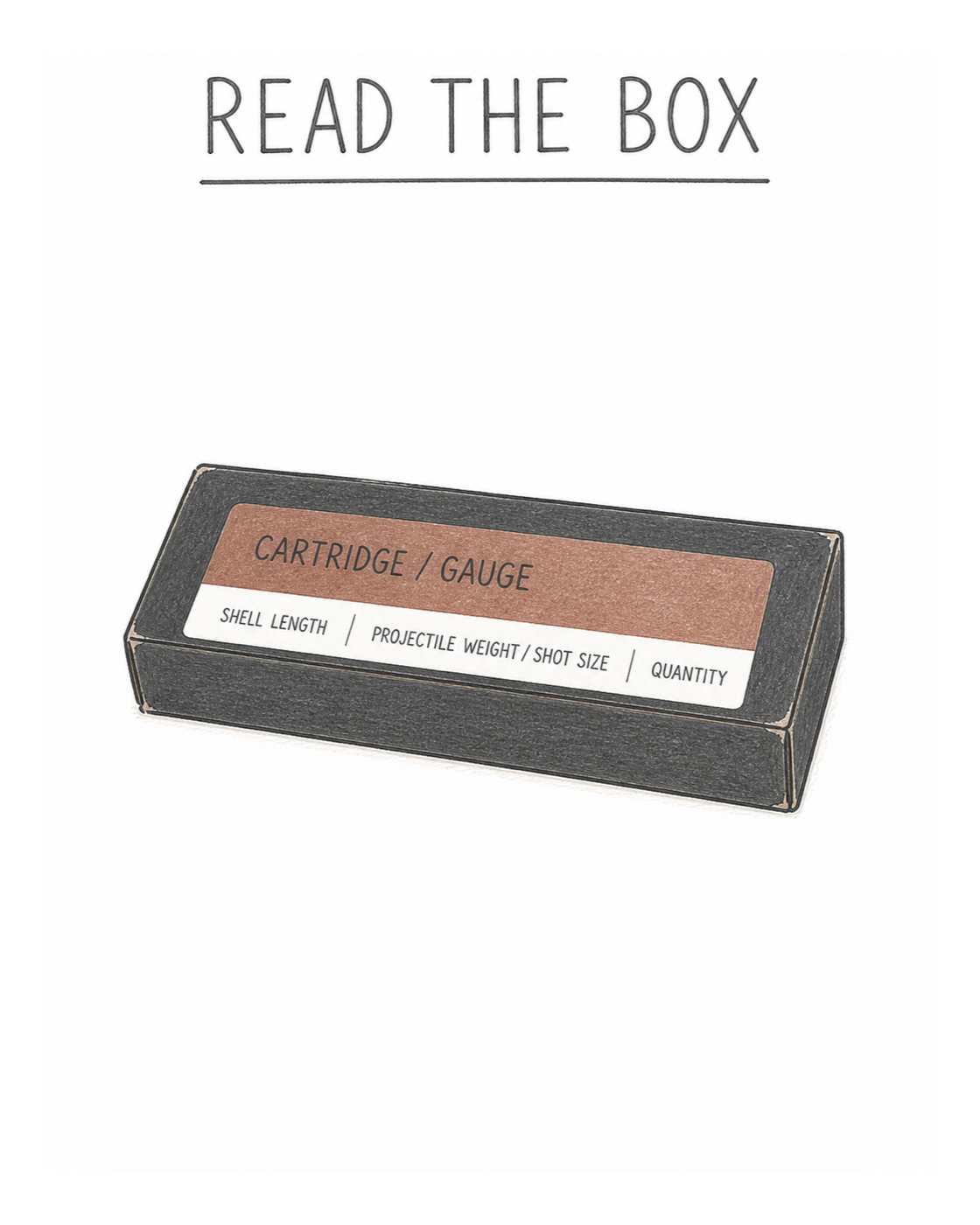 Hunter Education
What an Ammunition Box Tells You
A beginner’s guide to cartridge names, bullet weight, shotshell markings, and the information worth checking on factory ammunition.
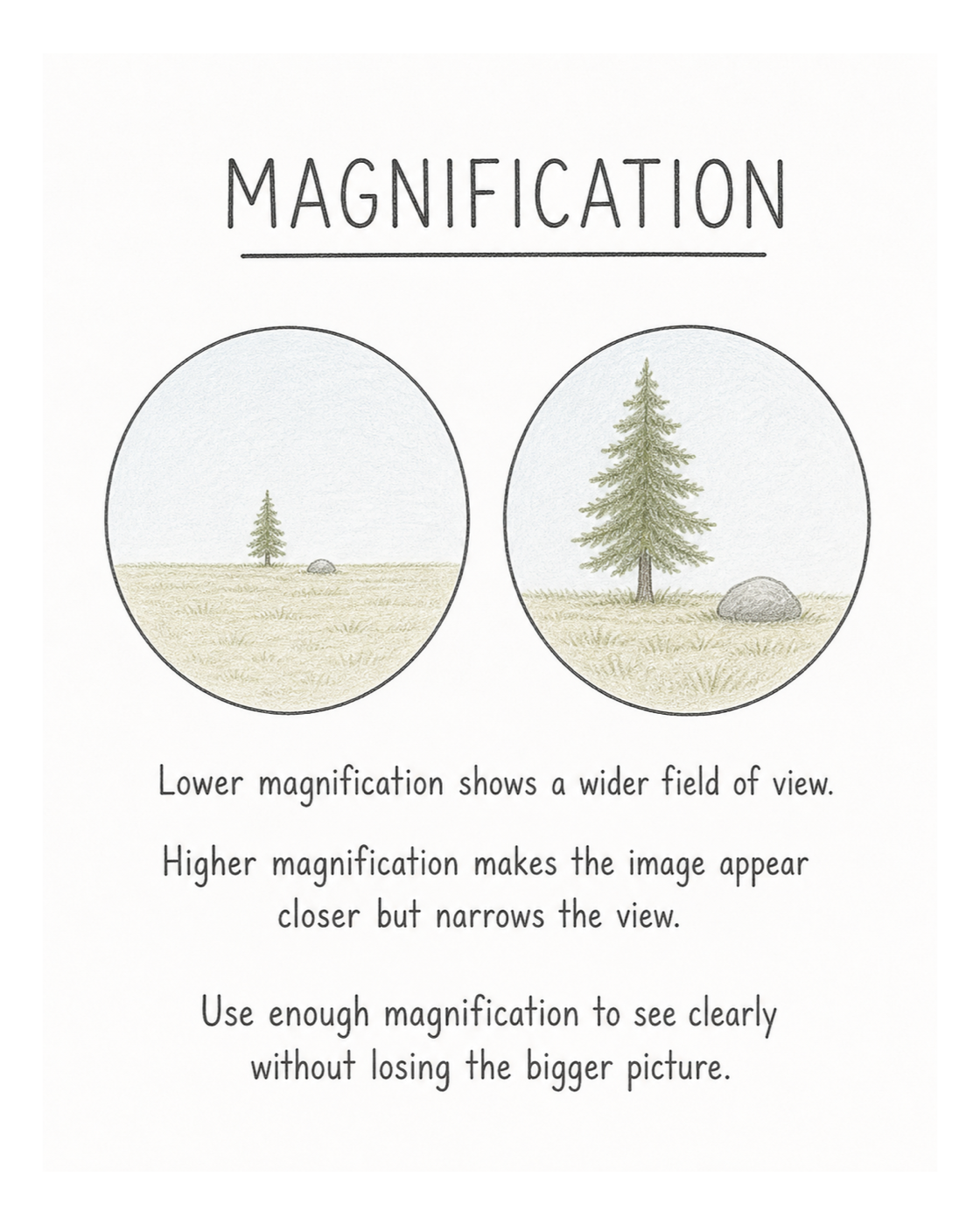 Fieldcraft
A Beginner’s Scouting Notebook
Five observations worth recording every time you walk a piece of hunting country.