CA / Small Game
California
Small Game.
A practical introduction to California rabbits, hares, tree squirrels, licensing, disease alerts, habitat, public access, identification, and first-hunt skills.
Official small game page ↗01 / Overview
Start with the shape of the hunt.
Small game is not one hunt. California’s rabbit, hare, jackrabbit, and tree-squirrel opportunities have different species, seasons, zones, limits, habitats, and health considerations.
That variety can make small game a strong learning path. A hunter can practice observation, identification, access, safe shooting, recovery, and field care without making a rare tag the center of the year.
The first step is choosing one legal species in one nearby area, then reading that exact current entry rather than relying on the phrase ‘small game.’
02 / Opportunity
Is this a good state for this hunt?
Small game can be geographically accessible and repeatable, but opportunity varies with habitat, public-land firearm rules, fire closures, disease, weather, and local abundance.
Species identification is essential. Similar-looking rabbits or squirrels can have different rules or protected status in a given place.
A modest first hunt is valuable even without a harvest because it builds the complete sequence of planning, scouting, safe movement, restraint, and field notes.
04 / Planning strategy
Pick one species close enough to learn repeatedly.
Choose an area you can visit several times. Learn when animals are active, where they feed, what cover they use, and how pressure or weather changes movement.
Build identification from CDFW material before carrying a firearm. If you cannot identify the animal and confirm the background, do not shoot.
Use each outing to improve mapping, observation, quiet movement, field positions, recovery, care of game, and notes for the next visit.
05 / Seasons
Learn the categories. Check the dates.
CDFW publishes separate season and limit entries for tree squirrels, rabbits, varying hare, jackrabbits, and method categories where applicable.
Use the current small-game page and mammal regulations for exact dates, zones, limits, legal methods, and health alerts.
Open the current official digest ↗06 / Habitat
Where they live.
Brush, grass, and edge cover
Rabbits often use the boundary between feeding areas and immediate escape cover, especially near active periods.
Desert and open country
Shade, washes, vegetation, temperature, roads, and long visibility shape jackrabbit observation and safe shooting.
Forest and mast country
Tree-squirrel hunting can depend on species, zone, food, canopy, quiet observation, and a safe background high in the trees.
07 / Methods
Match the method to the exact hunt.
Slow still-hunting
Move quietly, pause often, scan edges and cover, identify completely, and maintain a safe background.
Observation and short stalk
Use binoculars and terrain to confirm species and position before approaching within your practiced range.
Archery or falconry categories
These require distinct skills and can have separate dates or rules. Read the current official entry before planning.
Current legal methods, ammunition rules, and hunt-specific restrictions come from CDFW and the applicable land manager.
08 / Beginner strategy
If I wanted to start, what would I actually do?
- 01
Read the official species page
Start with CDFW’s current small game page. Write down the license items, validations, applications, dates, limits, and reporting duties that apply to the exact hunt.
Official resource ↗ - 02
Confirm how the opportunity works
Determine whether the hunt uses a tag, drawing, reservation, validation, special permit, or general opportunity. Never assume one species works like another.
- 03
Prove legal access
Identify the parcel, managing agency, entry route, closures, boundary, and any check-station or property procedure before treating it as a hunt plan.
- 04
Scout the useful details
Record exact species, tracks, droppings, feeding areas, water, cover, active times, safe backgrounds, other recreation, access, closures, and current disease notices.
- 05
Practice the complete field sequence
Practice identification, safe carries, field positions, range limits, restraint, marking the animal, complete recovery, disease-safe handling, field care, and honest reporting.
- 06
Run a final current-information check
Recheck CDFW regulations, land-manager notices, fire or weather closures, required documents, equipment, and reporting instructions immediately before the hunt.
09 / Current information
Official resources.
Official rabbit, hare, tree squirrel, disease alert, season, and licensing information.
Official source ↗Current hunting regulationsCurrent mammal, bird, waterfowl, upland, and land-use regulation publications.
Official source ↗Hunting licenses and tagsOfficial license, tag, validation, and reporting information.
Official source ↗CDFW Lands ViewerOfficial map for CDFW wildlife areas, ecological reserves, and facilities.
Keep learning
Useful before a small game hunt.
Existing Sportsman’s Illustrated lessons are connected by slug, so this section can grow without duplicating article content.
 Rifle Hunting
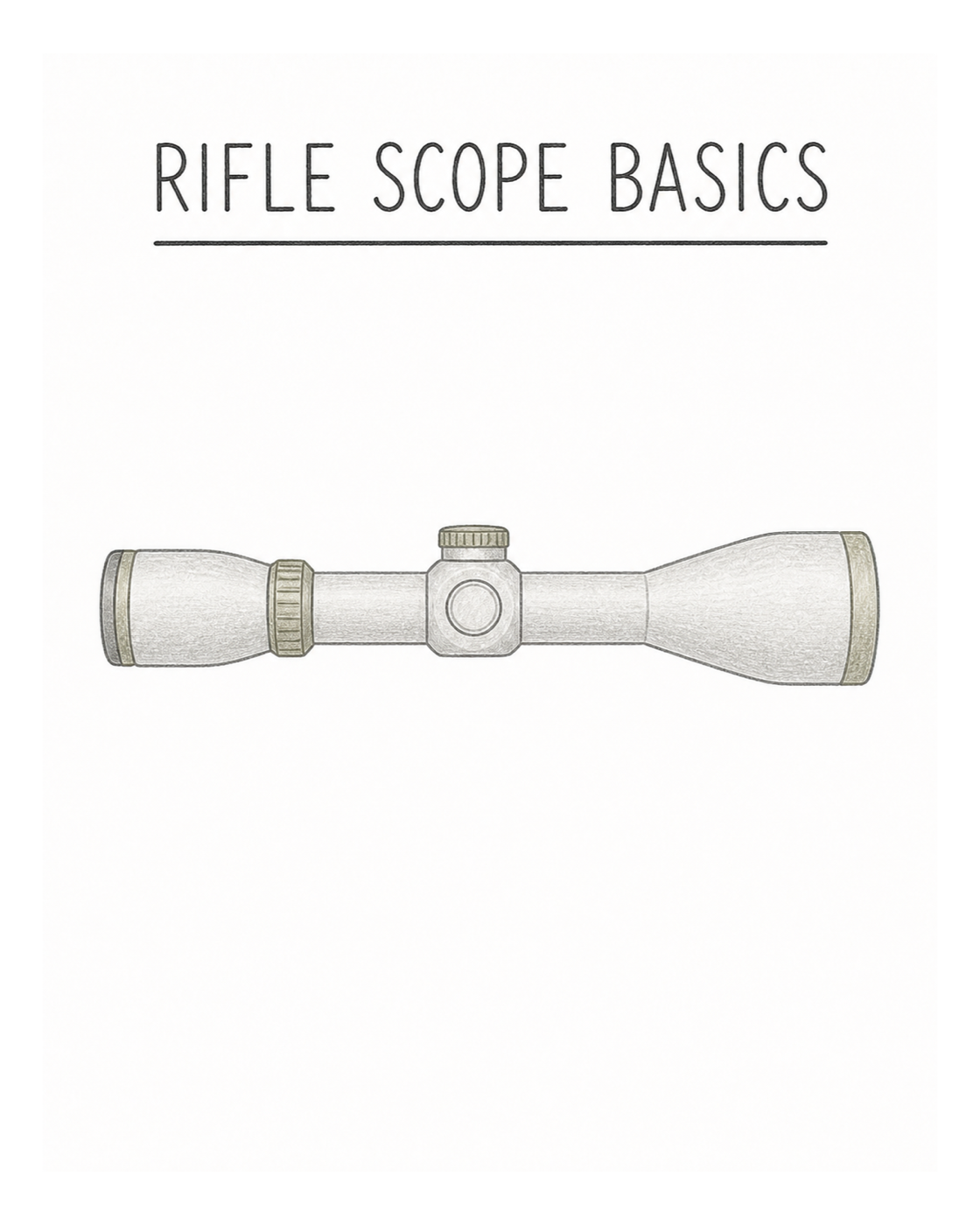
How to Read a Rifle Scope
What the numbers mean, which other specifications matter, and how to make sense of your first hunting optic.
 Hunter Education
What an Ammunition Box Tells You
A beginner’s guide to cartridge names, bullet weight, shotshell markings, and the information worth checking on factory ammunition.
 Fieldcraft
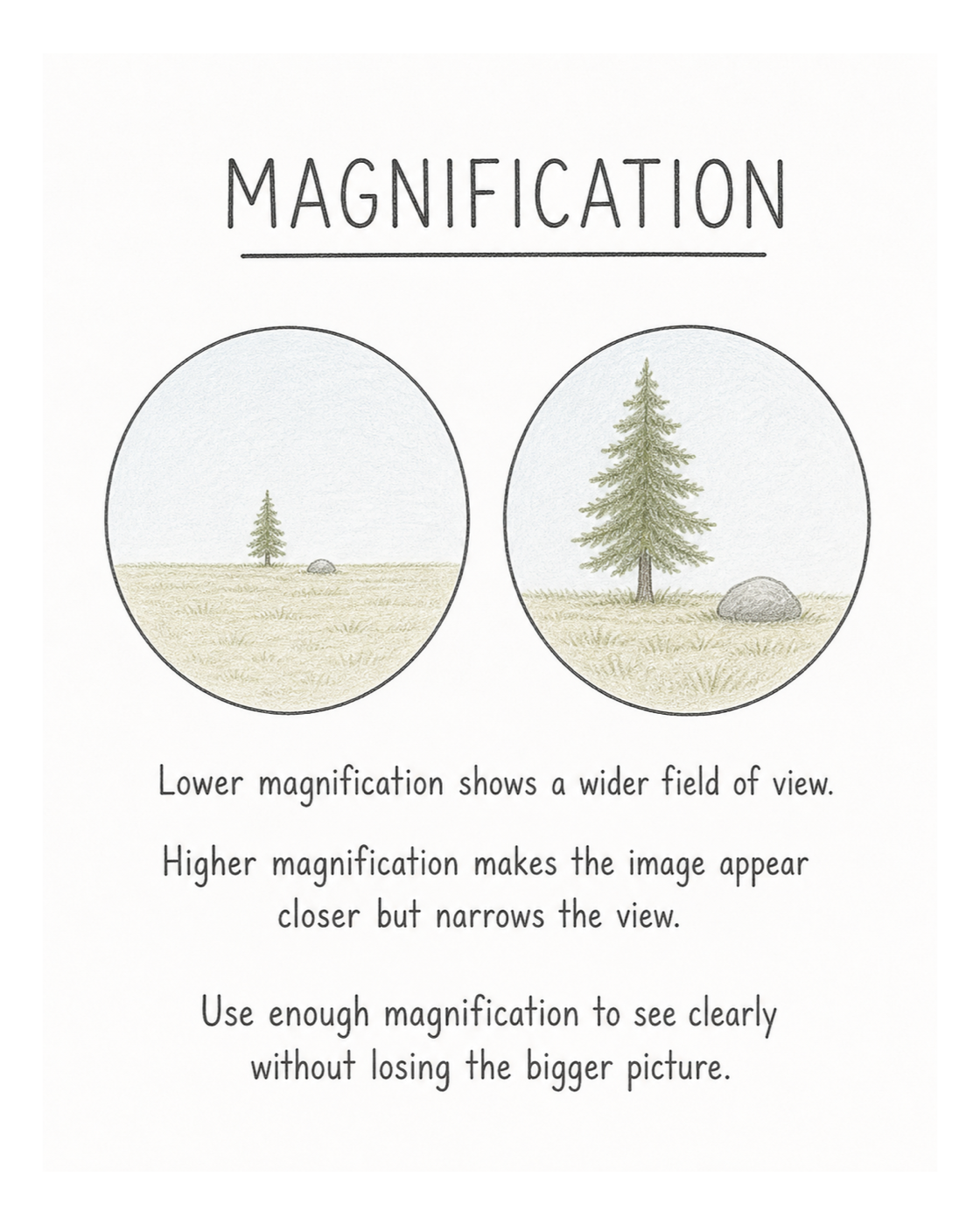
A Beginner’s Scouting Notebook
Five observations worth recording every time you walk a piece of hunting country.