CA / Big Game
California
Wild Pig.
A practical guide to California wild pig hunting, the wild pig validation, year-round opportunity, private and public access, scouting, recovery, and reporting.
Official wild pig page ↗01 / Overview
Start with the shape of the hunt.
California wild pigs occur in scattered populations from coastal and interior oak country to brush, rangeland, agricultural edges, and foothills. Distribution is broad, but legal access to productive ground is often the real constraint.
CDFW currently provides a general season open all year with no daily bag or possession limit. A valid hunting license and wild pig validation are generally required, and successful validation holders must report their take.
Year-round does not mean simple. Property permission, firearm-discharge rules, fire restrictions, heat, positive identification, safe shot angles, tracking, rapid meat care, and the exact current regulations still control the hunt.
02 / Opportunity
Is this a good state for this hunt?
Wild pigs can provide recurring opportunity without waiting for a limited-entry drawing, but much productive habitat is private or fragmented.
Public-land opportunity exists in some regions, yet pig distribution, pressure, drought, fire, road access, and local rules can make a mapped area unproductive or closed.
A beginner can succeed with a mentor, verified access, conservative shot limits, and a recovery plan built for warm weather and steep or brushy terrain.
04 / Planning strategy
Solve access before looking for a pig hotspot.
Choose a region you can scout repeatedly, then identify legal public entry or obtain explicit private permission before evaluating habitat.
Look for fresh rooting, tracks, droppings, wallows, water, mast, agricultural food, thick bedding cover, and travel routes that connect them.
Plan for wind, nocturnal movement, other hunters, livestock, roads, homes, fire restrictions, tracking in dense cover, and immediate cooling of the carcass.
05 / Seasons
Learn the categories. Check the dates.
CDFW currently lists a general wild pig season open all year with no daily bag or possession limit.
Use the current wild pig page and Mammal Hunting Regulations for the controlling license, validation, legal methods, ammunition, property, reporting, and any area-specific rule before every hunt.
Open the current official digest ↗06 / Habitat
Where they live.
Oak woodland and rangeland
Acorns, grass, water, brushy bedding cover, livestock, fences, private parcels, and wind shape pig movement and access.
Chaparral and foothill cover
Rooting, shaded slopes, springs, roads, fire history, steep recovery, and short visibility demand patient scouting.
Agricultural edge
Crops and irrigated ground can attract pigs, but permission, homes, equipment, livestock, night activity, and safe shooting directions control the hunt.
07 / Methods
Match the method to the exact hunt.
Spot and stalk
Glass feeding and travel areas, use the wind, identify the complete animal, and evaluate the shot and recovery route before approaching.
Still-hunting
Move slowly through fresh sign and connected cover while maintaining positive identification and a safe backstop.
Any other legal method
Confirm current firearm, archery, ammunition, dog, night, vehicle, and property restrictions rather than transferring rules from another state.
Current legal methods, ammunition rules, and hunt-specific restrictions come from CDFW and the applicable land manager.
08 / Beginner strategy
If I wanted to start, what would I actually do?
- 01
Read the official species page
Start with CDFW’s current wild pig page. Write down the license items, validations, applications, dates, limits, and reporting duties that apply to the exact hunt.
Official resource ↗ - 02
Confirm how the opportunity works
Determine whether the hunt uses a tag, drawing, reservation, validation, special permit, or general opportunity. Never assume one species works like another.
- 03
Prove legal access
Identify the parcel, managing agency, entry route, closures, boundary, and any check-station or property procedure before treating it as a hunt plan.
- 04
Scout the useful details
Record permission, boundaries, rooting, tracks, droppings, wallows, food, water, bedding cover, wind, active times, roads, homes, livestock, pressure, temperature, and the full recovery route.
- 05
Practice the complete field sequence
Practice pig identification, field positions, safe angles, conservative range limits, tracking, follow-up, complete recovery, rapid cooling, transport, and validation reporting.
- 06
Run a final current-information check
Recheck CDFW regulations, land-manager notices, fire or weather closures, required documents, equipment, and reporting instructions immediately before the hunt.
09 / Current information
Official resources.
Official wild pig season, validation, licensing, methods, access, and reporting information.
Official source ↗Current hunting regulationsCurrent mammal, bird, waterfowl, upland, and land-use regulation publications.
Official source ↗Hunting licenses and tagsOfficial license, tag, validation, and reporting information.
Official source ↗CDFW Lands ViewerOfficial map for CDFW wildlife areas, ecological reserves, and facilities.
Official source ↗Hunting in CaliforniaOfficial starting point for species, opportunities, lands, licenses, and planning resources.
Keep learning
Useful before a wild pig hunt.
Existing Sportsman’s Illustrated lessons are connected by slug, so this section can grow without duplicating article content.
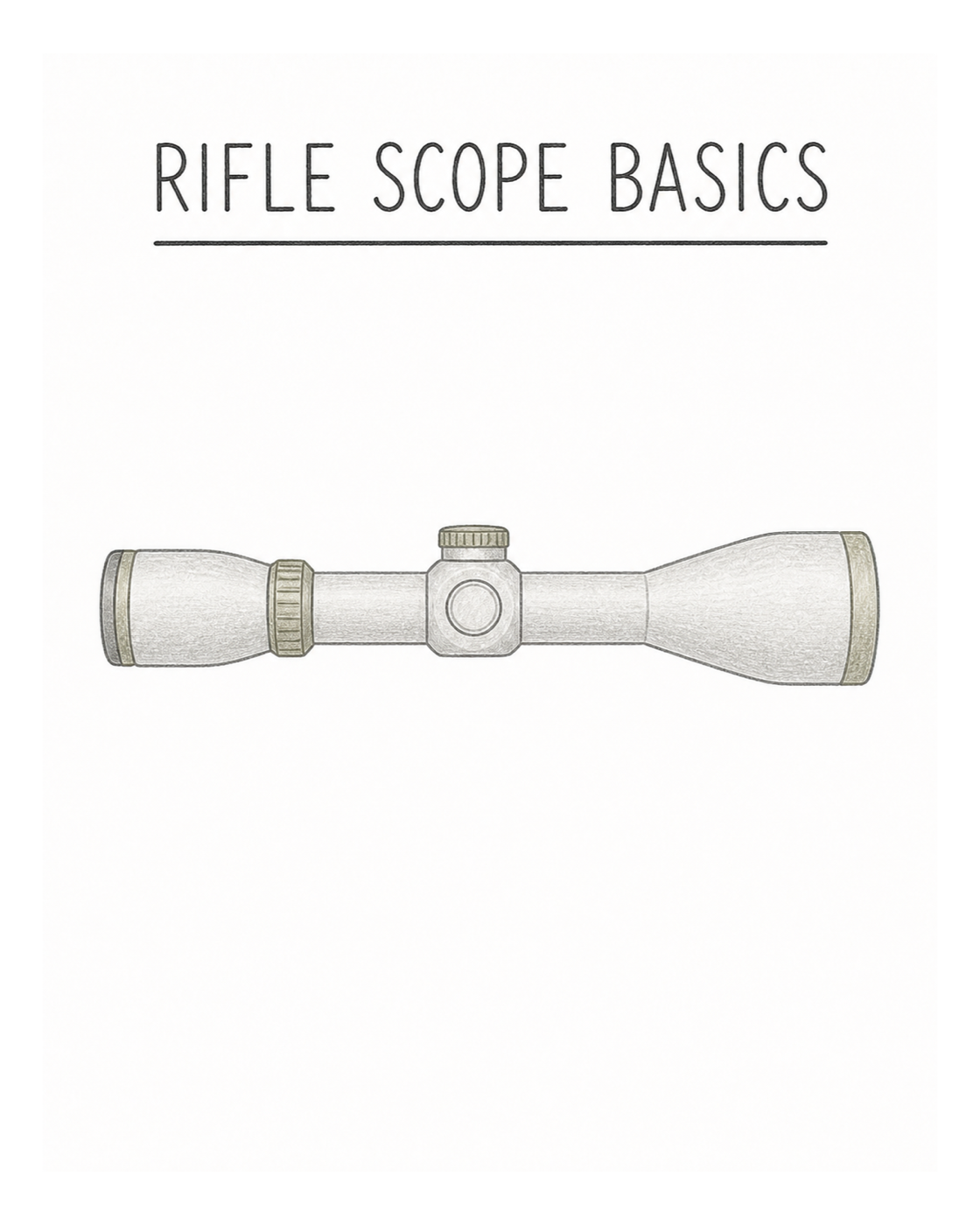 Rifle Hunting
How to Read a Rifle Scope
What the numbers mean, which other specifications matter, and how to make sense of your first hunting optic.
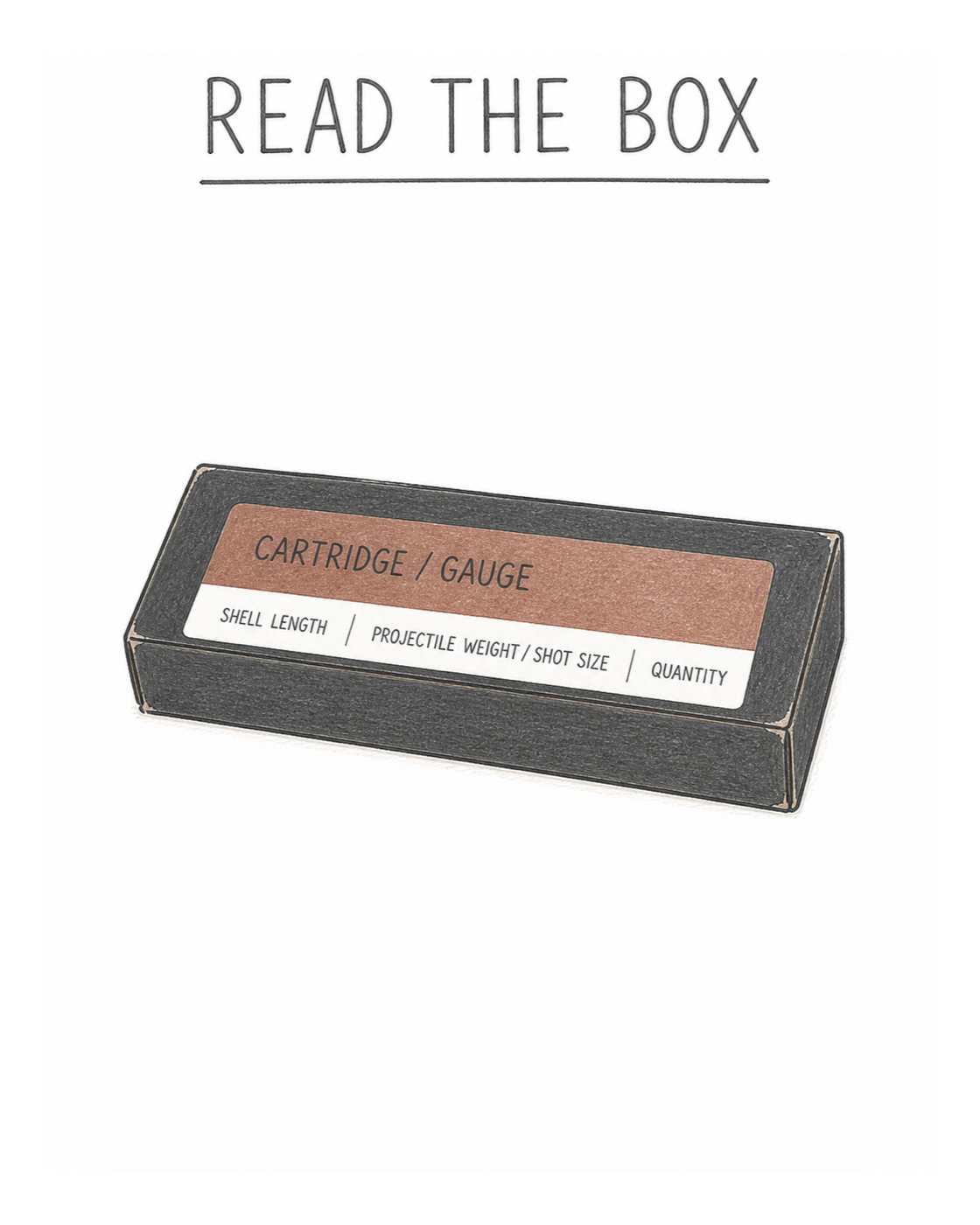 Hunter Education
What an Ammunition Box Tells You
A beginner’s guide to cartridge names, bullet weight, shotshell markings, and the information worth checking on factory ammunition.
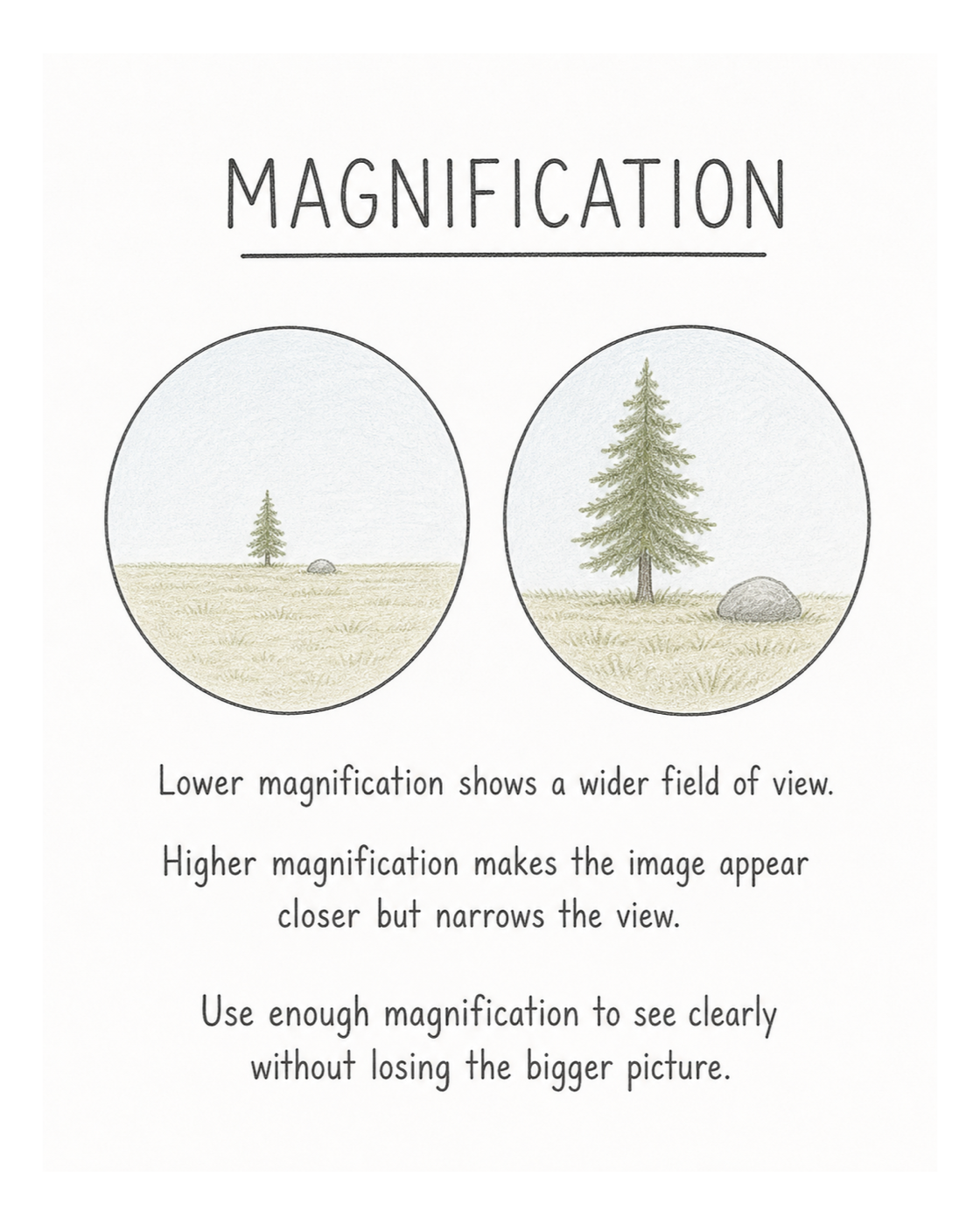 Fieldcraft
A Beginner’s Scouting Notebook
Five observations worth recording every time you walk a piece of hunting country.