CO / Big Game
Colorado
Elk.
A clear guide to Colorado limited and over-the-counter elk licenses, preference points, GMUs, methods, changing nonresident opportunity, access, and large-animal recovery.
Official elk page ↗01 / Overview
Start with the shape of the hunt.
Colorado elk occupy alpine tundra, aspen, conifer forest, oak brush, sagebrush, canyon, grassland, and agricultural interfaces.
Elk licenses can be limited by hunt code or sold over the counter in exact units, seasons, and methods. Nonresident archery availability has narrowed in multiple western GMUs, so old maps and memories are unreliable.
The right beginner plan connects an obtainable license, legal animal, GMU, access, pressure, physical preparation, conservative shooting, and a complete pack-out.
02 / Opportunity
Is this a good state for this hunt?
Over-the-counter elk can create a direct path, but it does not mean low pressure, easy access, or simple recovery.
Limited licenses use the primary draw and preference points for first-choice priority, followed by secondary, leftover, and reissue opportunities.
A first elk hunter benefits from experienced help, serious conditioning, and meat-care logistics built before the shot.
04 / Planning strategy
Choose the pack-out before choosing the hunt code.
Compare draw or OTC path, GMU, legal animal, season, method, roads, wilderness, pressure, weather, fire, and pack-out.
Use deer, bird, and small-game outings to learn Colorado access, altitude, navigation, camping, and weather while building an elk goal.
Scout several legal routes around forage, security, water, travel, pressure, and a recovery suitable for a large animal.
05 / Seasons
Learn the categories. Check the dates.
Colorado publishes elk opportunity through the exact brochure, hunt code or license, GMU, legal animal, method, dates, and eligibility. Those details can change between cycles.
Use the current CPW brochure and corrections, issued license, Hunting Atlas, live status or closure report, property signs, and controlling land manager for authoritative dates, boundaries, methods, access, and reporting duties.
Open the current official digest ↗06 / Habitat
Where they live.
Aspen and conifer
Parks, benches, burns, timber, water, wallows, roads, and pressure influence elk.
Alpine and high basin
Elevation, wind, storms, migration, glassing, and long recovery define the work.
Oak brush and agricultural edge
Forage, water, private land, livestock, roads, and safe directions can shift herds.
07 / Methods
Match the method to the exact hunt.
Rifle
Build stable positions and a range limit that supports fast follow-up and complete recovery.
Archery
Treat wind, close approach, calling restraint, tracking, and meat care as primary skills.
Muzzleloader
Confirm current projectile, ignition, sight, caliber, clothing, and hunt-code rules.
Current legal methods, ammunition rules, and hunt-specific restrictions come from CDFW and the applicable land manager.
08 / Beginner strategy
If I wanted to start, what would I actually do?
- 01
Read the current Colorado rules
Begin with the current official brochure and species page for elk. Write down the license, hunt code, GMU, dates, legal animal, method, limit, and reporting requirements.
Official resource ↗ - 02
Confirm how the license works
Determine whether the exact hunt uses the primary draw, preference or weighted points, secondary draw, leftover or reissue sale, over-the-counter purchase, special permit, stamp, HIP, or another current authorization.
- 03
Prove the GMU and access
Confirm the legal boundary, public and private parcels, signed Walk-In enrollment, SWA or state-trust rules, roads, vehicles, fire restrictions, weather, closures, and a backup route.
- 04
Scout the real constraints
Record license validity, GMU, ownership, roads, forage, bedding, water, tracks, droppings, rubs, wallows, pressure, altitude, weather, fire, and pack-out time.
- 05
Practice the complete sequence
Practice conditioning, navigation, shooting after exertion, range restraint, tag validation, breakdown, clean meat handling, load planning, cooling, and transport.
- 06
Recheck, tag, inspect, and report
Immediately before hunting, recheck the brochure, access, weather, roads, live status, and documents. Afterward, complete every tag validation, report, inspection, seal, CWD sample, and transport duty on time.
09 / Current information
Official resources.
Official elk licenses, limited and over-the-counter paths, seasons, field guidance, and statistics.
Official source ↗2026 Colorado Big Game BrochureOfficial current deer, elk, pronghorn, moose, and black-bear licenses, hunt codes, seasons, methods, and field requirements.
Official source ↗Colorado primary drawOfficial primary-draw, choice, preference-point, weighted-point, group, and application guidance.
Official source ↗Colorado nonresident huntingOfficial current nonresident allocations, limited, leftover, reissued, and over-the-counter pathways.
Official source ↗Colorado Hunting AtlasOfficial GMU, species, public-land, access, and planning layers for Colorado hunters.
Keep learning
Useful before a elk hunt.
Existing Sportsman’s Illustrated lessons are connected by slug, so this section can grow without duplicating article content.
 Rifle Hunting
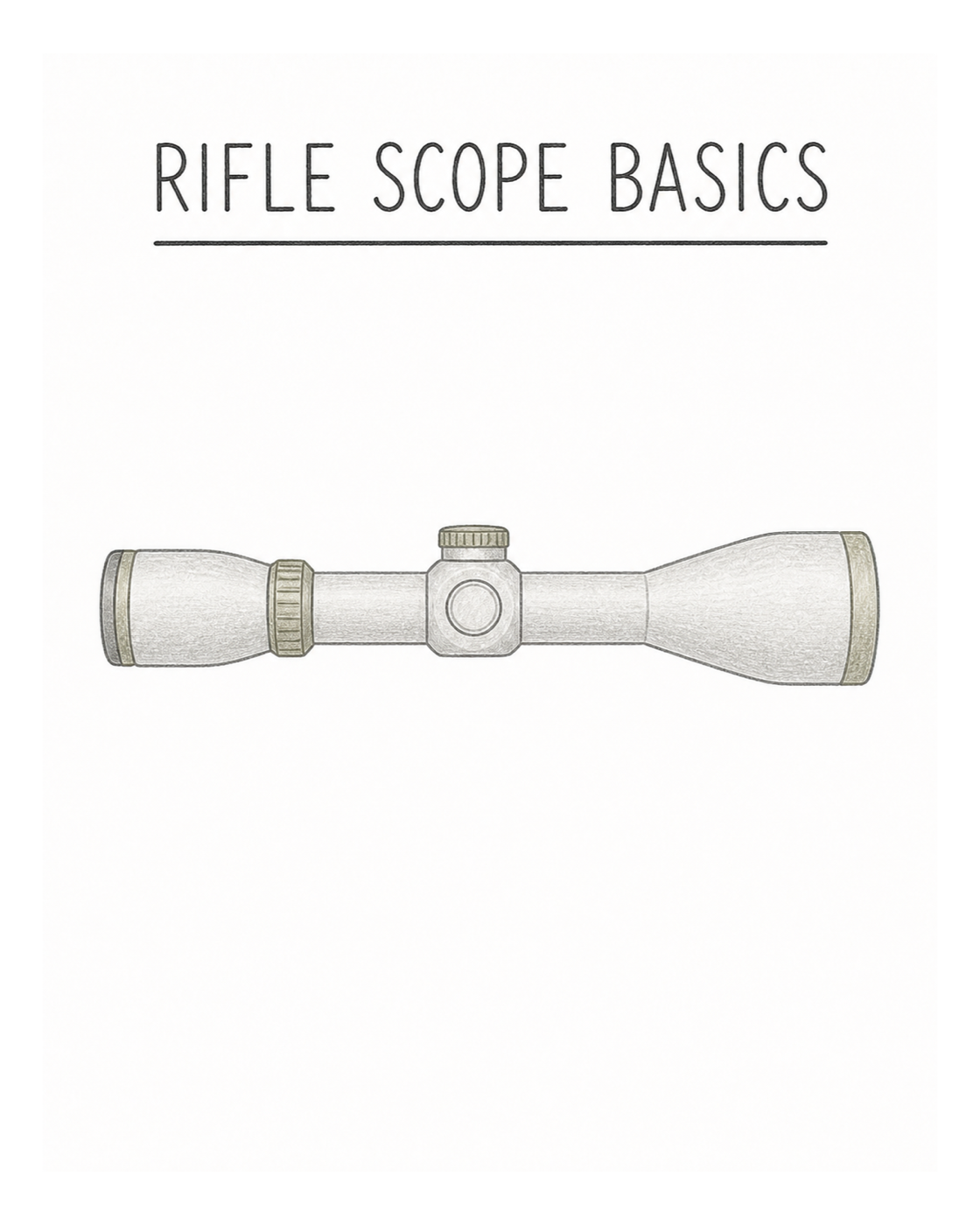
How to Read a Rifle Scope
What the numbers mean, which other specifications matter, and how to make sense of your first hunting optic.
 Hunter Education
What an Ammunition Box Tells You
A beginner’s guide to cartridge names, bullet weight, shotshell markings, and the information worth checking on factory ammunition.
 Fieldcraft
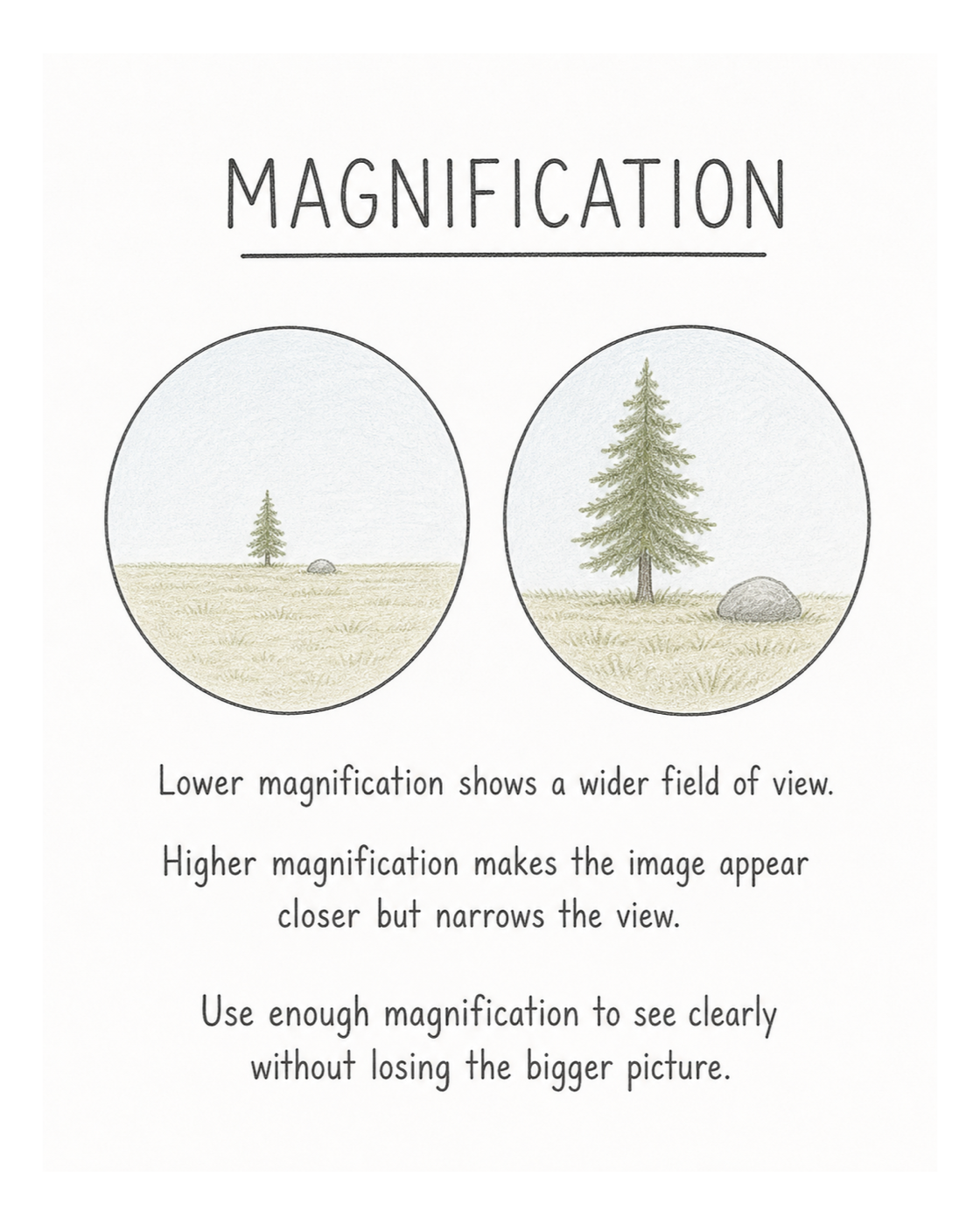
A Beginner’s Scouting Notebook
Five observations worth recording every time you walk a piece of hunting country.