CO / Big Game
Colorado
Pronghorn.
A practical guide to Colorado limited and selected over-the-counter pronghorn licenses, preference points, plains access, glassing, stalking, field shooting, and heat.
Official pronghorn page ↗01 / Overview
Start with the shape of the hunt.
Colorado pronghorn occupy shortgrass prairie, sagebrush, high valleys, agricultural mosaics, and open basins where visibility is excellent and access can be fragmented.
Archery, muzzleloader, and rifle licenses move through the draws, while current over-the-counter archery buck and doe licenses offer a separate direct path in eligible units.
Pronghorn rewards permission work, patient glassing, hidden approaches, wind judgment, stable field positions, heat planning, and quick recovery.
02 / Opportunity
Is this a good state for this hunt?
Over-the-counter archery can be obtainable, but stalking close on open ground is demanding.
Limited rifle and muzzleloader hunt codes use first-choice preference-point priority.
Much of the strongest habitat is private or mixed ownership, so access can matter more than animal density.
04 / Planning strategy
Solve access before studying a buck.
Compare public parcels, Walk-In enrollment, permission, roads, homes, livestock, pressure, and safe directions before applying.
Scout from legal roads and public viewpoints without trespass or repeated disturbance.
Practice prone, seated, kneeling, and tripod-supported shots in wind at ranges inside a strict ethical limit.
05 / Seasons
Learn the categories. Check the dates.
Colorado publishes pronghorn opportunity through the exact brochure, hunt code or license, GMU, legal animal, method, dates, and eligibility. Those details can change between cycles.
Use the current CPW brochure and corrections, issued license, Hunting Atlas, live status or closure report, property signs, and controlling land manager for authoritative dates, boundaries, methods, access, and reporting duties.
Open the current official digest ↗06 / Habitat
Where they live.
Shortgrass prairie
Water, fences, roads, ranch parcels, wind, shade, and visibility shape movement.
Sagebrush basin
Broken draws, water, forage, public parcels, and low relief create stalk routes.
Agricultural edge
Crops, irrigation, permission, livestock, homes, and safe directions dominate.
07 / Methods
Match the method to the exact hunt.
Rifle
Use terrain and patience to shorten distance, then shoot from a stable supported position.
Archery
Plan concealment, wind, water, decoys where legal, and a strict close-range limit.
Muzzleloader
Confirm legal equipment and build field accuracy in wind before applying.
Current legal methods, ammunition rules, and hunt-specific restrictions come from CDFW and the applicable land manager.
08 / Beginner strategy
If I wanted to start, what would I actually do?
- 01
Read the current Colorado rules
Begin with the current official brochure and species page for pronghorn. Write down the license, hunt code, GMU, dates, legal animal, method, limit, and reporting requirements.
Official resource ↗ - 02
Confirm how the license works
Determine whether the exact hunt uses the primary draw, preference or weighted points, secondary draw, leftover or reissue sale, over-the-counter purchase, special permit, stamp, HIP, or another current authorization.
- 03
Prove the GMU and access
Confirm the legal boundary, public and private parcels, signed Walk-In enrollment, SWA or state-trust rules, roads, vehicles, fire restrictions, weather, closures, and a backup route.
- 04
Scout the real constraints
Record herd composition, ownership, permission, signed Walk-In boundaries, roads, fences, homes, livestock, water, wind, shade, pressure, safe shooting directions, and recovery access.
- 05
Practice the complete sequence
Practice sex identification, glassing, stalking, wind calls, field positions, range restraint, tag validation, recovery, cooling, transport, and evidence care.
- 06
Recheck, tag, inspect, and report
Immediately before hunting, recheck the brochure, access, weather, roads, live status, and documents. Afterward, complete every tag validation, report, inspection, seal, CWD sample, and transport duty on time.
09 / Current information
Official resources.
Official limited and over-the-counter pronghorn opportunities, seasons, field guidance, and statistics.
Official source ↗2026 Colorado Big Game BrochureOfficial current deer, elk, pronghorn, moose, and black-bear licenses, hunt codes, seasons, methods, and field requirements.
Official source ↗Colorado primary drawOfficial primary-draw, choice, preference-point, weighted-point, group, and application guidance.
Official source ↗Colorado Walk-In AccessOfficial annually enrolled private-land access, signed-boundary, foot-travel, season, and property rules.
Official source ↗Colorado Hunting AtlasOfficial GMU, species, public-land, access, and planning layers for Colorado hunters.
Keep learning
Useful before a pronghorn hunt.
Existing Sportsman’s Illustrated lessons are connected by slug, so this section can grow without duplicating article content.
 Rifle Hunting
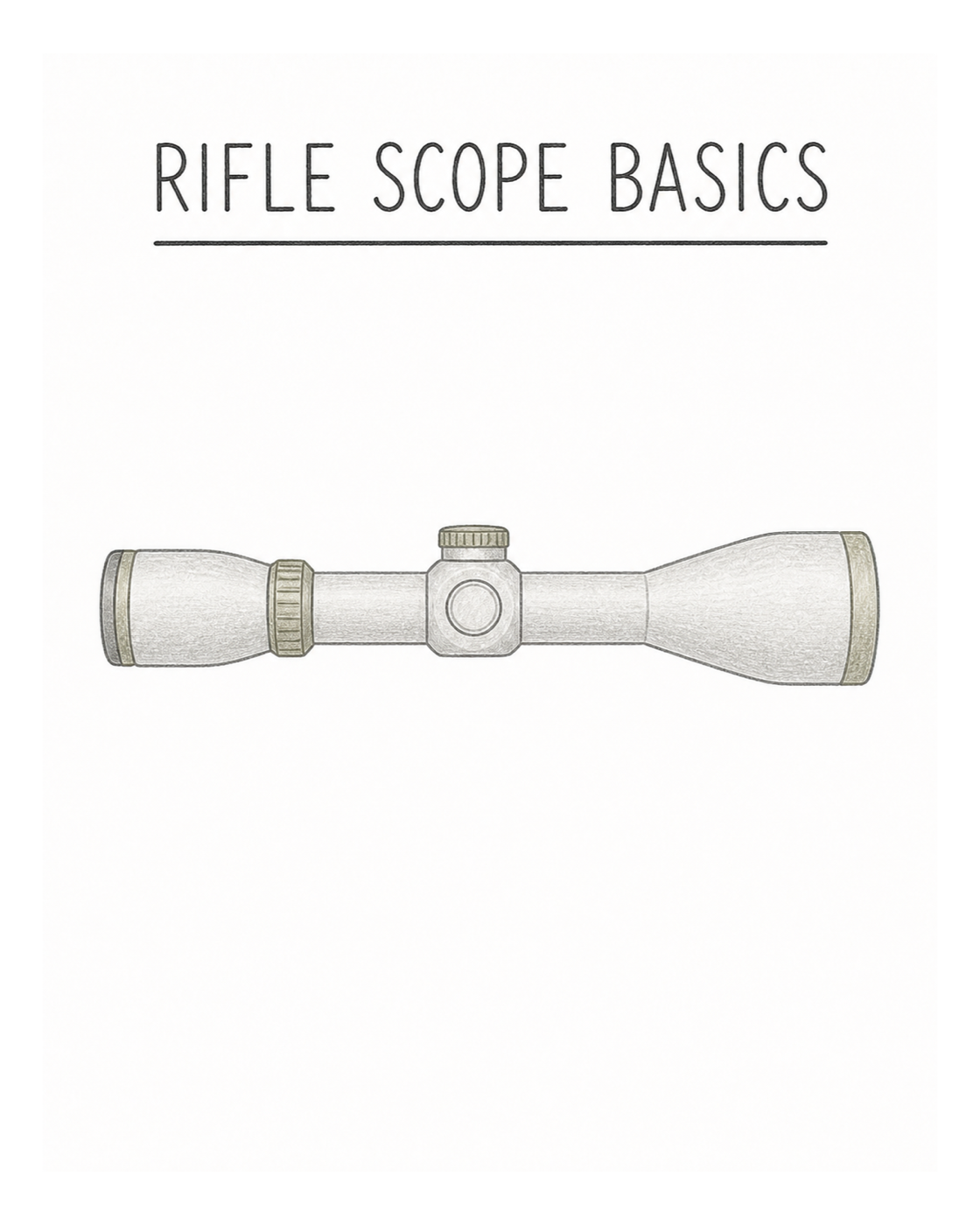
How to Read a Rifle Scope
What the numbers mean, which other specifications matter, and how to make sense of your first hunting optic.
 Hunter Education
What an Ammunition Box Tells You
A beginner’s guide to cartridge names, bullet weight, shotshell markings, and the information worth checking on factory ammunition.
 Fieldcraft
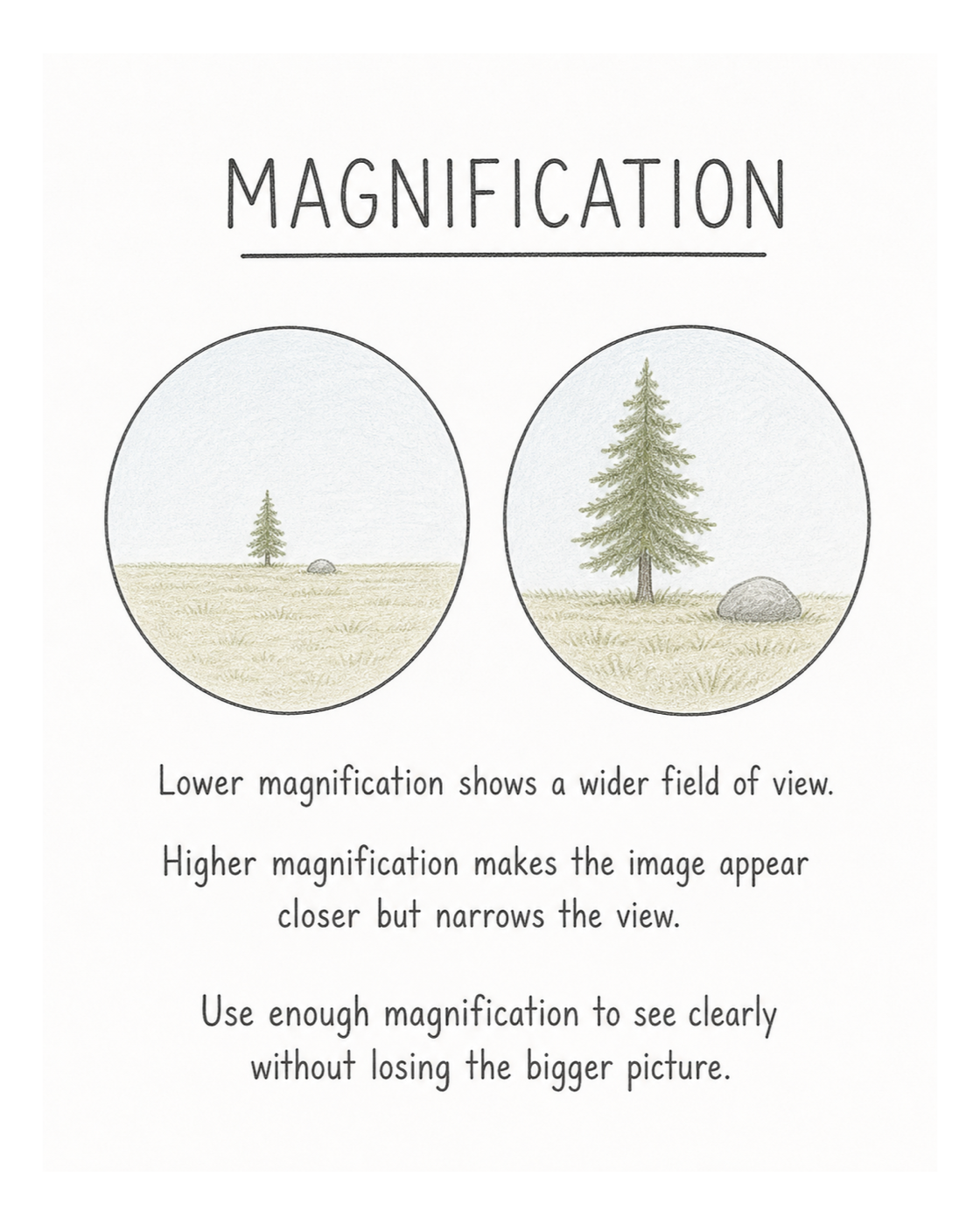
A Beginner’s Scouting Notebook
Five observations worth recording every time you walk a piece of hunting country.