MT / Big Game
Montana
Black Bear.
A safety-first guide to Montana black bear licenses, identification testing, grizzly awareness, quotas, reporting, regional inspection, access, and field care.
Official black bear page ↗01 / Overview
Start with the shape of the hunt.
Black bears occupy forest, burns, clearcuts, riparian areas, mountain meadows, and seasonal food pockets across much of Montana.
A black bear license is generally over the counter, but selected management units use quotas or special permits and can close early.
Every hunter must pass the bear identification test. Grizzly awareness, cub and family-group protection, 48-hour reporting, regional tooth or inspection duties, recovery, and meat care control the hunt.
02 / Opportunity
Is this a good state for this hunt?
License availability is broad, but bear identification, grizzly country, quotas, rugged cover, changing food, and recovery make this specialized.
Selected bear permits allow continued hunting in harvest-restricted units and do not authorize a second bear.
A first bear hunt is strongest with experienced help and strict rules for passing unclear bears or females with cubs.
04 / Planning strategy
Make species identification and live status the first checks.
Choose country you can revisit to study food, tracks, scat, visibility, access, grizzly presence, and recovery.
Set strict identification and shot criteria before hunting and pass uncertain bears or family groups.
Save reporting and quota resources, then plan tooth or inspection, cooling, evidence, appointment, and transport.
05 / Seasons
Learn the categories. Check the dates.
Montana publishes black bear opportunity through the exact license, permit or opportunity number, hunting district, legal animal, method, season, and eligibility. Those details can change between license years.
Use the current FWP regulation and corrections, issued documents, Hunt Planner, live quota status, BMA map, and controlling land manager for authoritative dates, boundaries, methods, access, closures, and reporting duties.
Open the current official digest ↗06 / Habitat
Where they live.
Western forest
Green-up, berries, insects, burns, logging roads, grizzlies, and dense cover shape opportunity.
Mountain meadow and avalanche path
Snow line, forage, visibility, steep travel, and remote recovery define spring hunting.
Riparian and agricultural edge
Water, fruit, crops, private land, homes, livestock, and other users overlap bear activity.
07 / Methods
Match the method to the exact hunt.
Spot and stalk
Glass food-rich openings while maintaining patient species, age, and family-group identification.
Hounds where legal
Confirm area, season, hound license, outfitter, pursuit, access, harvest, reporting, and inspection rules.
Any legal weapon
Use a safe backstop and a conservative shot that supports immediate recovery and meat care.
Current legal methods, ammunition rules, and hunt-specific restrictions come from CDFW and the applicable land manager.
08 / Beginner strategy
If I wanted to start, what would I actually do?
- 01
Read the current Montana rules
Begin with the current official page and regulation entry for black bear. Write down the Conservation License, Base Hunting fee, species license, permit, opportunity number, district, dates, legal animal, method, quota, and reporting duties.
Official resource ↗ - 02
Confirm how the opportunity is issued
Determine whether the hunt uses a general license, nonresident combination, special drawing, squared bonus points, B license, over-the-counter sale, quota, regional tag, free supplemental permit, or another current authorization.
- 03
Prove the district and access
Confirm legal boundaries, ownership, reservation and state-trust status, BMA permission, private access, roads, vehicles, fire, camping, retrieval, closures, and a backup route.
- 04
Scout the real constraints
Record quota status, bear and grizzly sign, family groups, boundaries, access, food, water, visibility, wind, roads, recovery, cooling, and inspection logistics.
- 05
Practice the complete sequence
Practice black bear and grizzly identification, family protection, range restraint, follow-up, tag validation, reporting, tooth handling or inspection, meat care, and transport.
- 06
Recheck, validate, inspect, and report
Immediately before hunting, recheck regulations, live quota status, access, weather, roads, and documents. Afterward, complete every carcass-tag validation, call-in, inspection, pelt tag, tooth, tissue, sample, and possession duty on time.
09 / Current information
Official resources.
Official bear regulations, identification test, quotas, reporting, inspection, permits, and hunt planning.
Official source ↗Current Montana hunting regulationsOfficial current species regulation publications, corrections, district descriptions, quotas, and planning resources.
Official source ↗Montana Hunt PlannerOfficial hunting districts, legal descriptions, harvest opportunity, ownership, access programs, and planning layers.
Keep learning
Useful before a black bear hunt.
Existing Sportsman’s Illustrated lessons are connected by slug, so this section can grow without duplicating article content.
 Rifle Hunting
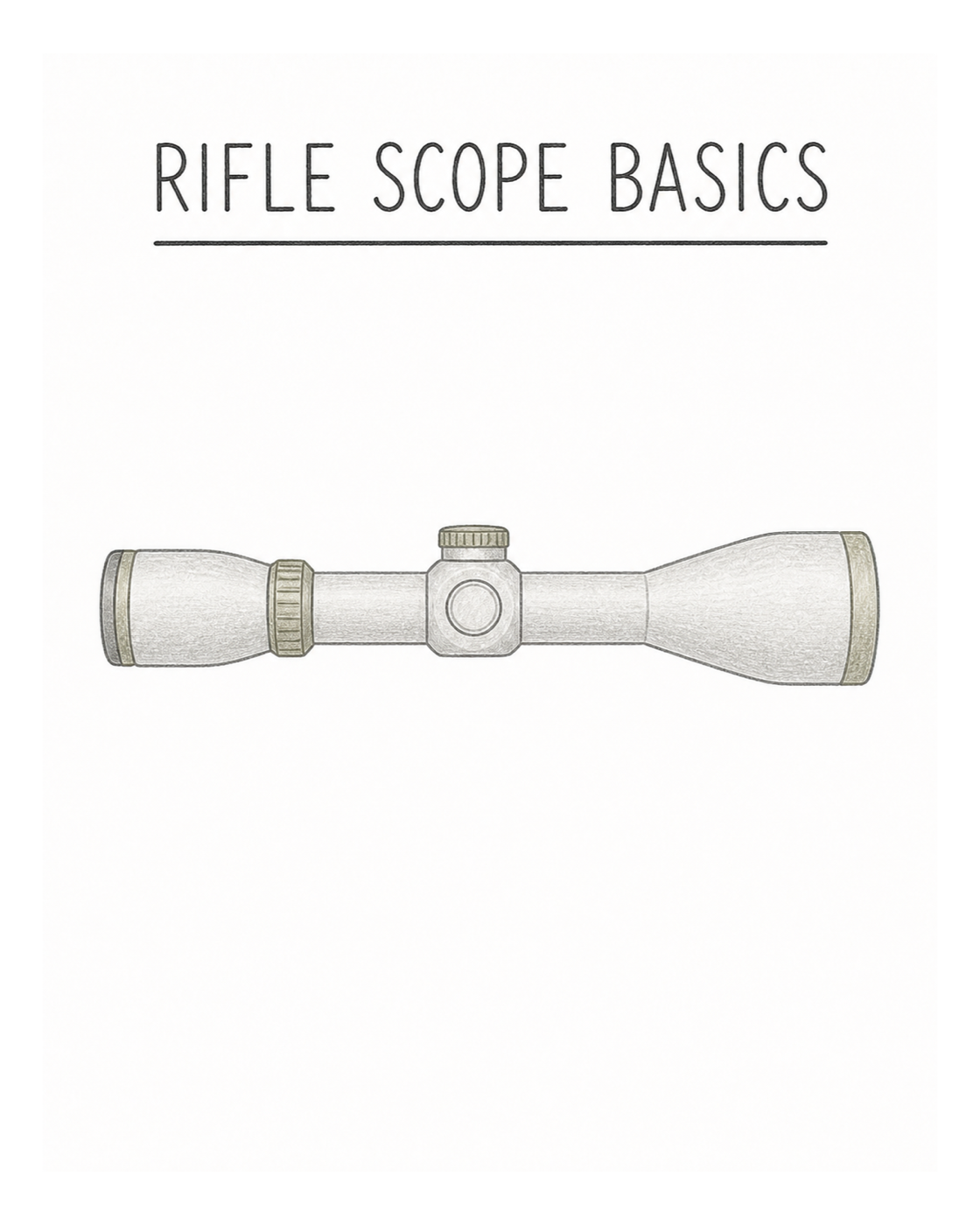
How to Read a Rifle Scope
What the numbers mean, which other specifications matter, and how to make sense of your first hunting optic.
 Hunter Education
What an Ammunition Box Tells You
A beginner’s guide to cartridge names, bullet weight, shotshell markings, and the information worth checking on factory ammunition.
 Fieldcraft
A Beginner’s Scouting Notebook
Five observations worth recording every time you walk a piece of hunting country.