MT / Big Game
Montana
Elk.
A clear guide to Montana general elk licenses, district permits, Elk B licenses, nonresident combinations, squared bonus points, access, and pack-out.
Official elk page ↗01 / Overview
Start with the shape of the hunt.
Montana elk occupy western forest, island ranges, breaks, prairie edge, river country, and agricultural interfaces.
The general elk license, limited bull or either-sex permit, Elk B license, nonresident combination, landowner preference, and shoulder-season rules must be read separately.
Finding elk is only half the plan. The district, legal animal, access, pressure, safe shot, recovery, and removal of a large animal must all work.
02 / Opportunity
Is this a good state for this hunt?
General elk licenses offer recurring opportunity in many districts, while limited permits add specialized bull or either-sex opportunity.
Some Elk B licenses and management seasons can be obtainable, but private-land permission often controls their practical value.
A first elk hunt needs conditioning, experienced help, conservative shooting, and enough time and equipment for meat care.
04 / Planning strategy
Choose the pack-out before the application.
Compare general and permit paths, district rules, draw history, ownership, BMA access, season, pressure, weather, fire, and pack-out.
Build conditioning, navigation, field shooting, breakdown, cooling, and load skills on obtainable hunts.
Scout several legal routes around forage, security, water, travel, pressure, private edges, and complete recovery.
05 / Seasons
Learn the categories. Check the dates.
Montana publishes elk opportunity through the exact license, permit or opportunity number, hunting district, legal animal, method, season, and eligibility. Those details can change between license years.
Use the current FWP regulation and corrections, issued documents, Hunt Planner, live quota status, BMA map, and controlling land manager for authoritative dates, boundaries, methods, access, closures, and reporting duties.
Open the current official digest ↗06 / Habitat
Where they live.
Western forest
Burns, logging units, benches, creek systems, private timber, roads, and dense cover shape visibility.
Island range and breaks
Timber, grass, coulees, wind, snow, limited water, and steep pack-outs move elk.
Prairie and farm edge
Crops, shelter, river cover, Block Management, private land, livestock, and roads can dominate.
07 / Methods
Match the method to the exact hunt.
General firearm
Build stable positions and a range limit that supports follow-up and complete recovery.
Archery
Confirm archery qualification and treat wind, close approach, tracking, and meat care as primary skills.
Shoulder and management hunts
Read the exact legal animal, land status, permission, district, date, and weapon restrictions before participating.
Current legal methods, ammunition rules, and hunt-specific restrictions come from CDFW and the applicable land manager.
08 / Beginner strategy
If I wanted to start, what would I actually do?
- 01
Read the current Montana rules
Begin with the current official page and regulation entry for elk. Write down the Conservation License, Base Hunting fee, species license, permit, opportunity number, district, dates, legal animal, method, quota, and reporting duties.
Official resource ↗ - 02
Confirm how the opportunity is issued
Determine whether the hunt uses a general license, nonresident combination, special drawing, squared bonus points, B license, over-the-counter sale, quota, regional tag, free supplemental permit, or another current authorization.
- 03
Prove the district and access
Confirm legal boundaries, ownership, reservation and state-trust status, BMA permission, private access, roads, vehicles, fire, camping, retrieval, closures, and a backup route.
- 04
Scout the real constraints
Record opportunity, district, ownership, BMA permission, roads, forage, bedding, water, sign, pressure, weather, fire, and pack-out time.
- 05
Practice the complete sequence
Practice conditioning, navigation, shooting after exertion, range restraint, tag validation, breakdown, clean meat handling, load planning, transport, and reporting.
- 06
Recheck, validate, inspect, and report
Immediately before hunting, recheck regulations, live quota status, access, weather, roads, and documents. Afterward, complete every carcass-tag validation, call-in, inspection, pelt tag, tooth, tissue, sample, and possession duty on time.
09 / Current information
Official resources.
Official current species regulation publications, corrections, district descriptions, quotas, and planning resources.
Official source ↗Montana bonus and preference pointsOfficial explanation of squared bonus points and nonresident combination-license preference points.
Official source ↗Montana drawing statisticsOfficial bonus-point, preference-point, residency allocation, quota, and historical draw reports.
Official source ↗Montana Hunt PlannerOfficial hunting districts, legal descriptions, harvest opportunity, ownership, access programs, and planning layers.
Official source ↗Montana Block ManagementOfficial current private-land access guides, maps, Type I and Type II permission systems, and property rules.
Keep learning
Useful before a elk hunt.
Existing Sportsman’s Illustrated lessons are connected by slug, so this section can grow without duplicating article content.
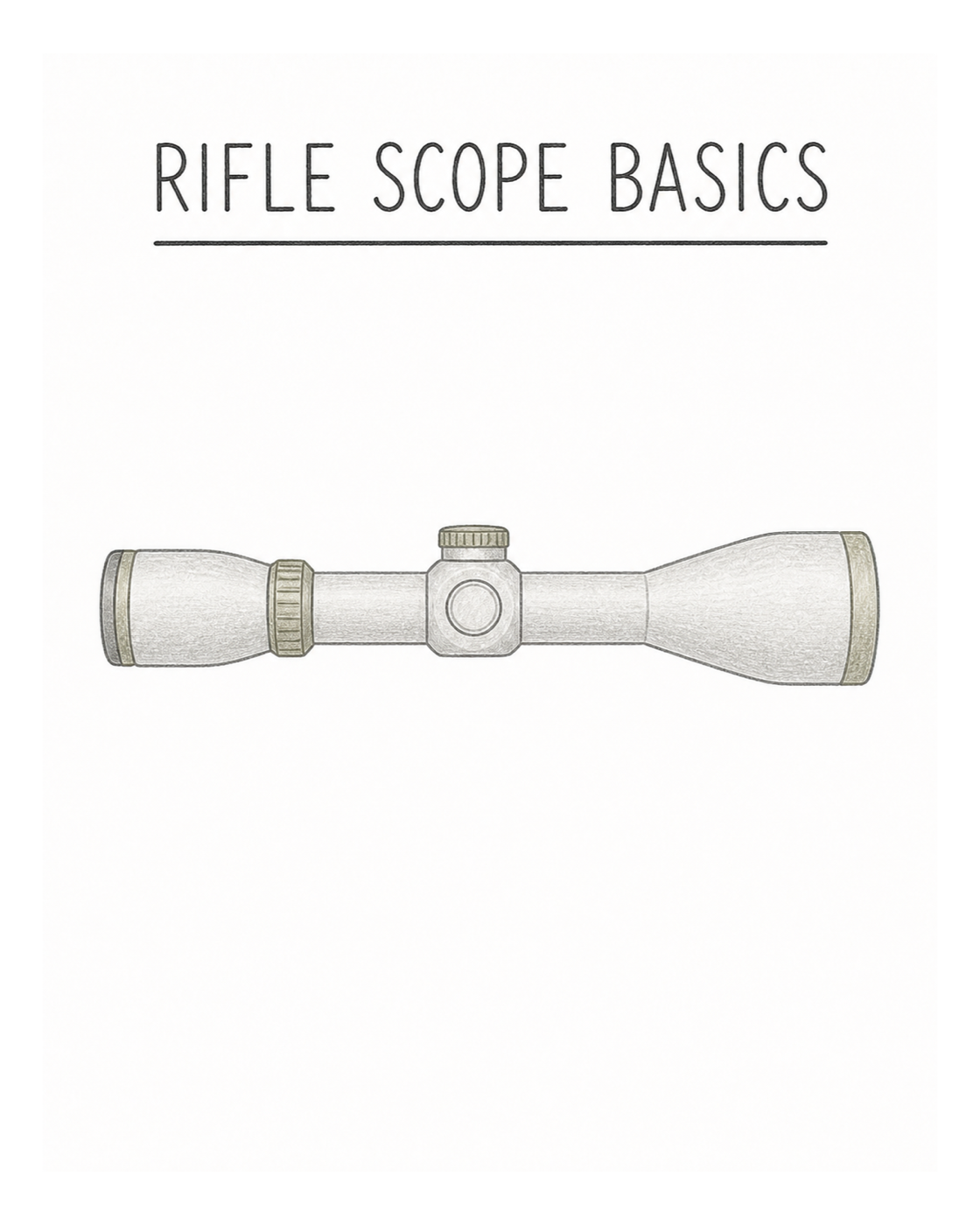 Rifle Hunting
How to Read a Rifle Scope
What the numbers mean, which other specifications matter, and how to make sense of your first hunting optic.
 Hunter Education
What an Ammunition Box Tells You
A beginner’s guide to cartridge names, bullet weight, shotshell markings, and the information worth checking on factory ammunition.
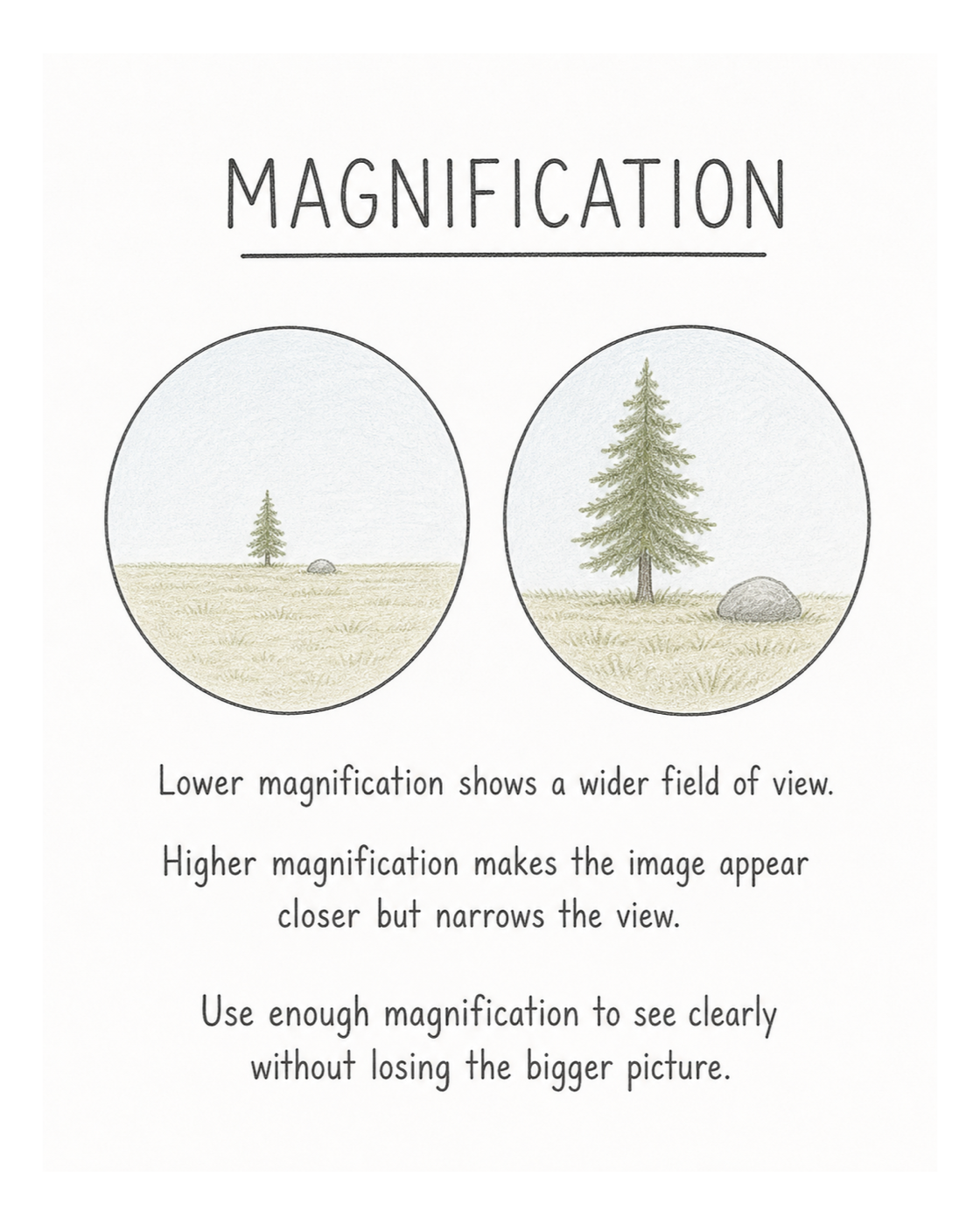 Fieldcraft
A Beginner’s Scouting Notebook
Five observations worth recording every time you walk a piece of hunting country.