MT / Small Game
Montana
Small Game & Nongame.
A verify-first guide to Montana rabbits, hares, prairie dogs, and other exact-species small or nongame opportunity, with classification, access, health, safe shooting, and field care.
Official small game & nongame page ↗01 / Overview
Start with the shape of the hunt.
Montana does not place every rabbit, hare, prairie dog, or nongame animal under one small-game license and season table.
Some nongame and predator shooting has broad authority, while state trust land, reservations, private property, local discharge law, disease, possession, and land-manager rules still apply.
Choose the exact species first, confirm current classification and legal take, then plan safe shooting, retrieval, health precautions, lawful use, and access.
02 / Opportunity
Is this a good state for this hunt?
Selected rabbits, hares, or nongame shooting can be less equipment-intensive than big game, but broad labels are not legal authority.
Prairie dog shooting raises landowner permission, colony health, plague, heat, long-range backstop, livestock, and other-user concerns.
A beginner should choose one animal and one short legal place, then learn the complete process.
04 / Planning strategy
Use exact-species research to learn the complete process.
Choose one species and confirm classification, method, season, limit, land status, access, and safe backstops.
Move slowly or observe patiently, study sign and habitat, and record conditions producing sightings.
Treat identification, shot selection, recovery, protective handling, cooling or disposal, lawful use, and notes as one sequence.
05 / Seasons
Learn the categories. Check the dates.
Montana publishes small game & nongame opportunity through the exact license, permit or opportunity number, hunting district, legal animal, method, season, and eligibility. Those details can change between license years.
Use the current FWP regulation and corrections, issued documents, Hunt Planner, live quota status, BMA map, and controlling land manager for authoritative dates, boundaries, methods, access, closures, and reporting duties.
Open the current official digest ↗06 / Habitat
Where they live.
Sagebrush and brush edge
Rabbits and hares use escape cover near feeding areas, but roads, homes, livestock, and heat matter.
Mountain forest and snow
Hares use young conifers and brush where tracks and seasonal camouflage shape identification.
Prairie colony
Ownership, permission, other species, plague, fleas, roads, livestock, wind, and long backstops control safe shooting.
07 / Methods
Match the method to the exact hunt.
Still-hunting
Move quietly, identify the entire animal, and wait for a safe backstop.
Shotgun where legal
Confirm ammunition and method rules, pattern the load, and avoid low unsafe shots.
Rimfire or other legal firearm
Use only where legal with a proven backstop and precise conservative range.
Current legal methods, ammunition rules, and hunt-specific restrictions come from CDFW and the applicable land manager.
08 / Beginner strategy
If I wanted to start, what would I actually do?
- 01
Read the current Montana rules
Begin with the current official page and regulation entry for small game & nongame. Write down the Conservation License, Base Hunting fee, species license, permit, opportunity number, district, dates, legal animal, method, quota, and reporting duties.
Official resource ↗ - 02
Confirm how the opportunity is issued
Determine whether the hunt uses a general license, nonresident combination, special drawing, squared bonus points, B license, over-the-counter sale, quota, regional tag, free supplemental permit, or another current authorization.
- 03
Prove the district and access
Confirm legal boundaries, ownership, reservation and state-trust status, BMA permission, private access, roads, vehicles, fire, camping, retrieval, closures, and a backup route.
- 04
Scout the real constraints
Record exact species and classification, sign, food, water, cover, look-alikes, ownership, permission, roads, homes, livestock, disease, local rules, backstops, and recovery.
- 05
Practice the complete sequence
Practice identification, muzzle control, close field positions, backstop judgment, follow-up, protective handling, cooling or disposal, transport, and lawful use.
- 06
Recheck, validate, inspect, and report
Immediately before hunting, recheck regulations, live quota status, access, weather, roads, and documents. Afterward, complete every carcass-tag validation, call-in, inspection, pelt tag, tooth, tissue, sample, and possession duty on time.
09 / Current information
Official resources.
Official coyote, weasel, skunk, license, private-land permission, and state-trust-land requirements.
Official source ↗Current Montana hunting regulationsOfficial current species regulation publications, corrections, district descriptions, quotas, and planning resources.
Official source ↗Montana Hunt PlannerOfficial hunting districts, legal descriptions, harvest opportunity, ownership, access programs, and planning layers.
Official source ↗Montana hunter accessOfficial public and private access programs, landownership guidance, and landowner-stewardship resources.
Keep learning
Useful before a small game & nongame hunt.
Existing Sportsman’s Illustrated lessons are connected by slug, so this section can grow without duplicating article content.
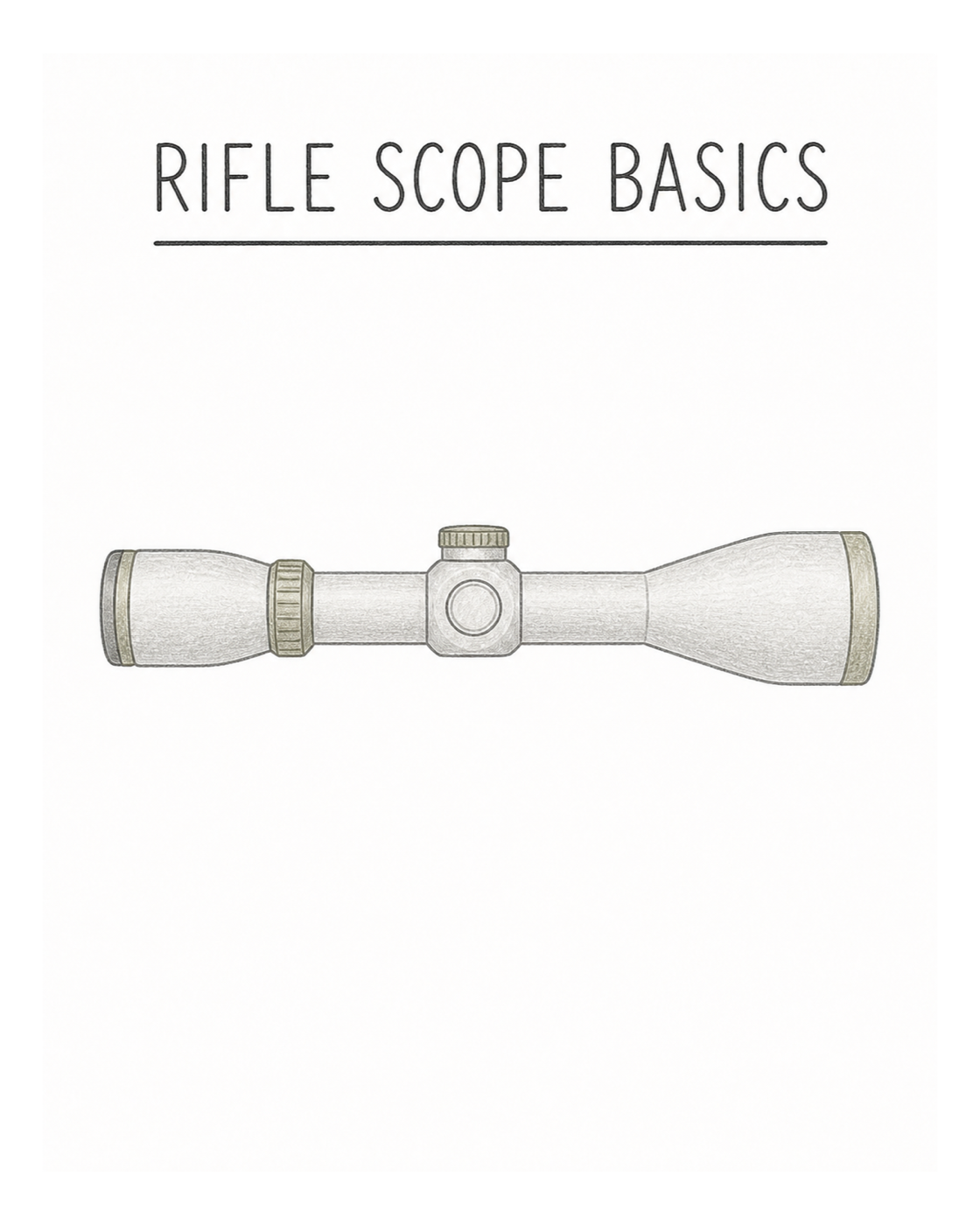 Rifle Hunting
How to Read a Rifle Scope
What the numbers mean, which other specifications matter, and how to make sense of your first hunting optic.
 Hunter Education
What an Ammunition Box Tells You
A beginner’s guide to cartridge names, bullet weight, shotshell markings, and the information worth checking on factory ammunition.
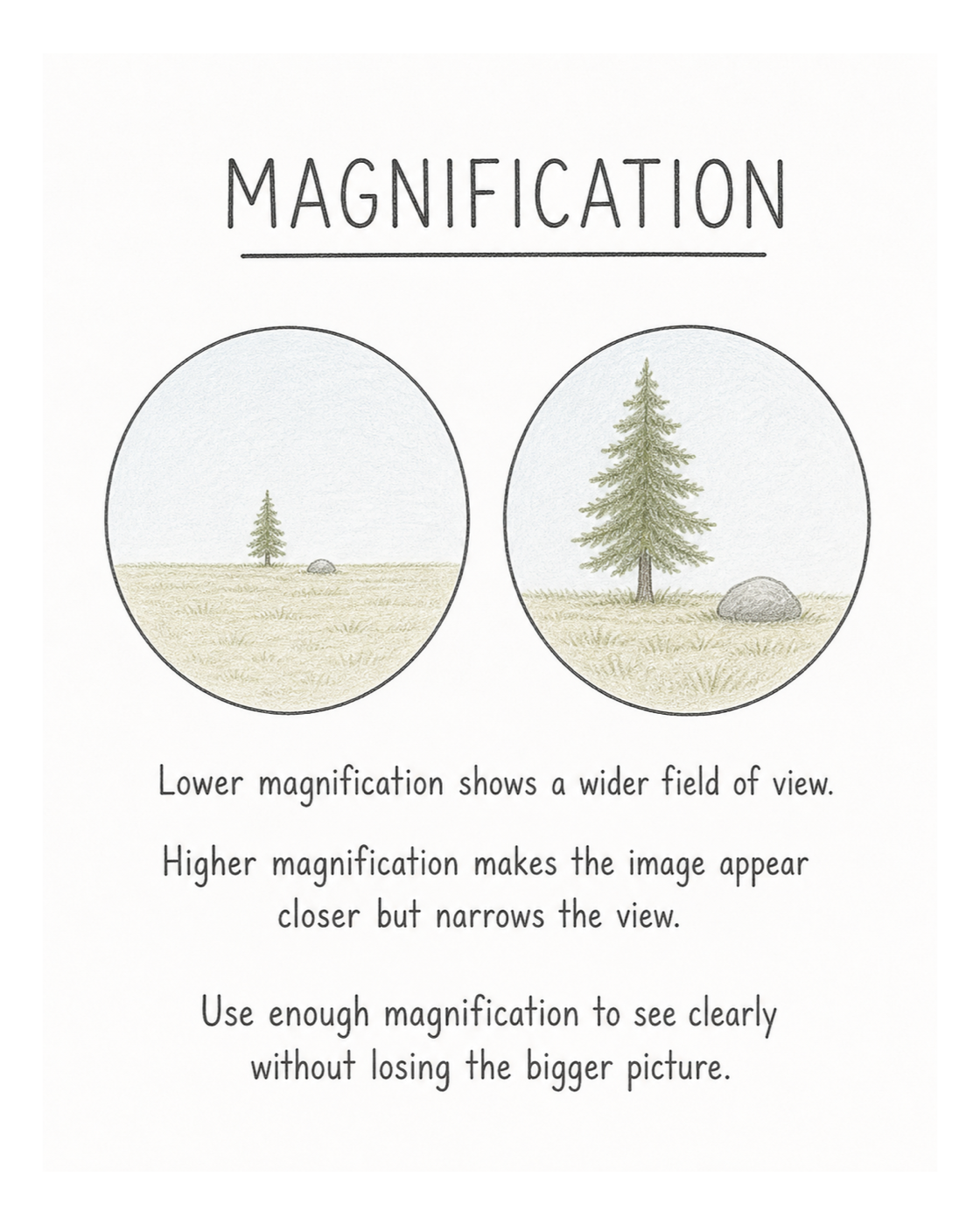 Fieldcraft
A Beginner’s Scouting Notebook
Five observations worth recording every time you walk a piece of hunting country.