NV / Big Game
Nevada
Bighorn Sheep.
A realistic guide to Nevada bighorn sheep applications, subspecies categories, bonus points, extreme terrain, access, fitness, and long-term planning.
Official bighorn sheep page ↗01 / Overview
Start with the shape of the hunt.
Nevada manages desert, California, and Rocky Mountain bighorn sheep opportunities. Each category, unit, habitat, and hunt is distinct.
Tags are extremely limited. Sheep should be treated as a long-term application goal, not the only way to gain hunting experience this year.
A serious applicant studies the exact mountain range, access, heat or altitude, water, physical demands, and checkout requirements before listing a hunt.
02 / Opportunity
Is this a good state for this hunt?
Bonus points increase draw chances without creating certainty. Some categories or hunts have residency, eligibility, or application distinctions.
Sheep country can involve steep desert rock, remote water sources, wilderness, heat, winter weather, altitude, and minimal vehicle access.
Apply only for a hunt you could safely scout, complete, recover from, and satisfy every biological checkout requirement.
04 / Planning strategy
Apply for the mountain, not the fantasy.
Study the exact range, access, season weather, physical warning, unit sheet, harvest history, and recovery problem. Do not use odds as the only filter.
Build transferable skill through desert travel, mountain fitness, glassing, navigation, and other hunts while the application remains a long-term possibility.
If drawn, contact NDOW’s current resource early and build a conservative water, weather, communication, emergency, and checkout plan.
05 / Seasons
Learn the categories. Check the dates.
Nevada publishes sheep hunts by subspecies category, hunt number, unit group, residency, animal class, and season.
Use current NDOW regulations, hunt sheets, statistics, and issued-tag material for exact dates, quotas, access, and checkout duties.
Open the current official digest ↗06 / Habitat
Where they live.
Southern desert ranges
Heat, water, steep rock, road limits, and long glassing distances define much desert sheep country.
Northwestern canyon country
California bighorn habitat can mix broken rims, dry basins, sagebrush, seasonal water, and remote access.
Northeastern high ranges
Rocky Mountain sheep country adds elevation, cold, snow, exposure, and steep recovery problems.
07 / Methods
Match the method to the exact hunt.
Long-duration glassing
Use a repeatable system to cover terrain, identify legal animals, track movement, and avoid unnecessary disturbance.
Terrain-led approach
Plan around safe footing, wind, visibility, legal boundaries, and the full route back before closing distance.
General-method execution
Practice stable positions and identification while keeping mountain safety, recovery, and checkout obligations central.
Current legal methods, ammunition rules, and hunt-specific restrictions come from CDFW and the applicable land manager.
08 / Beginner strategy
If I wanted to start, what would I actually do?
- 01
Read the current NDOW material
Start with NDOW’s current planning and regulation pages for bighorn sheep. Record the exact license, tag, application, season, unit, method, and reporting rules.
Official resource ↗ - 02
Confirm the opportunity path
Determine whether the hunt uses the main draw, another draw, a tag, permit, reservation, HIP number, stamp, or general season. Check every current deadline.
- 03
Prove access and boundaries
Identify the hunt unit or property, legal entry, private inholdings, federal or state restrictions, county rules, roads, closures, and a backup route.
- 04
Scout the real constraints
Study the exact range, ownership, roads, water, elevation, weather, glassing points, communication gaps, legal routes, recovery, and emergency options.
- 05
Practice the complete field sequence
Build fitness, navigation, glassing discipline, identification, field shooting, emergency judgment, field care, teamwork, checkout knowledge, and reporting.
- 06
Recheck and report
Immediately before the hunt, recheck regulations, weather, fire, roads, access, equipment, and documents. Complete every required questionnaire, checkout, or harvest report afterward.
09 / Current information
Official resources.
Official desert bighorn biology, range, habitat, and hunting links.
Official source ↗Apply and BuyOfficial license, tag, permit, application, bonus-point, and purchasing guidance.
Official source ↗Nevada bonus point programOfficial explanation of bonus points, categories, applications, and party calculations.
Official source ↗NDOW hunt information sheetsSpecies and unit-group planning notes prepared by Nevada game biologists.
Official source ↗Nevada hunt statisticsOfficial harvest, unit-group, trend, and checkout statistics by species.
Official source ↗Nevada hunting rules and regulationsCurrent big-game, small-game, migratory-bird, WMA, county, and method regulations.
Keep learning
Useful before a bighorn sheep hunt.
Existing Sportsman’s Illustrated lessons are connected by slug, so this section can grow without duplicating article content.
 Rifle Hunting
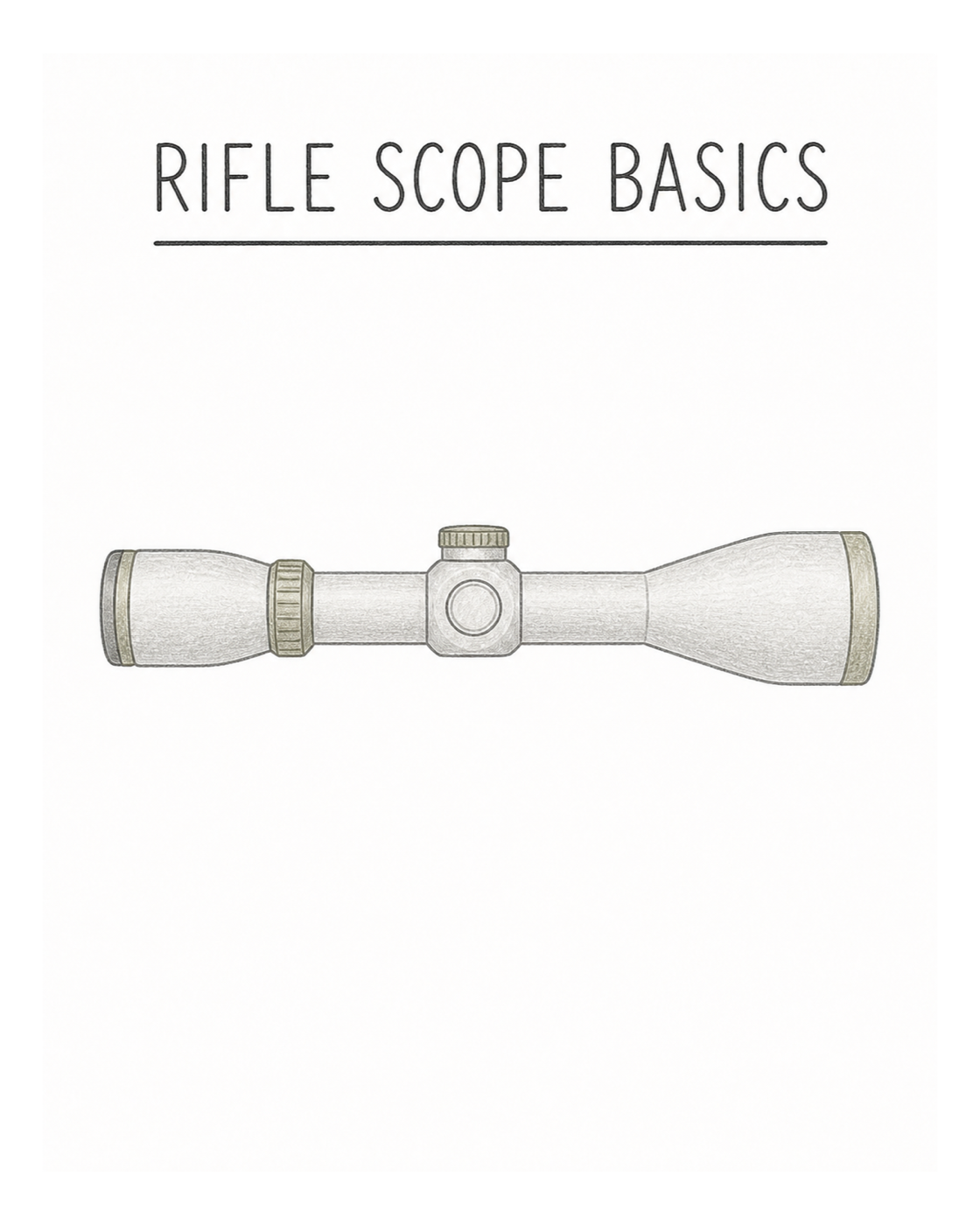
How to Read a Rifle Scope
What the numbers mean, which other specifications matter, and how to make sense of your first hunting optic.
 Hunter Education
What an Ammunition Box Tells You
A beginner’s guide to cartridge names, bullet weight, shotshell markings, and the information worth checking on factory ammunition.
 Fieldcraft
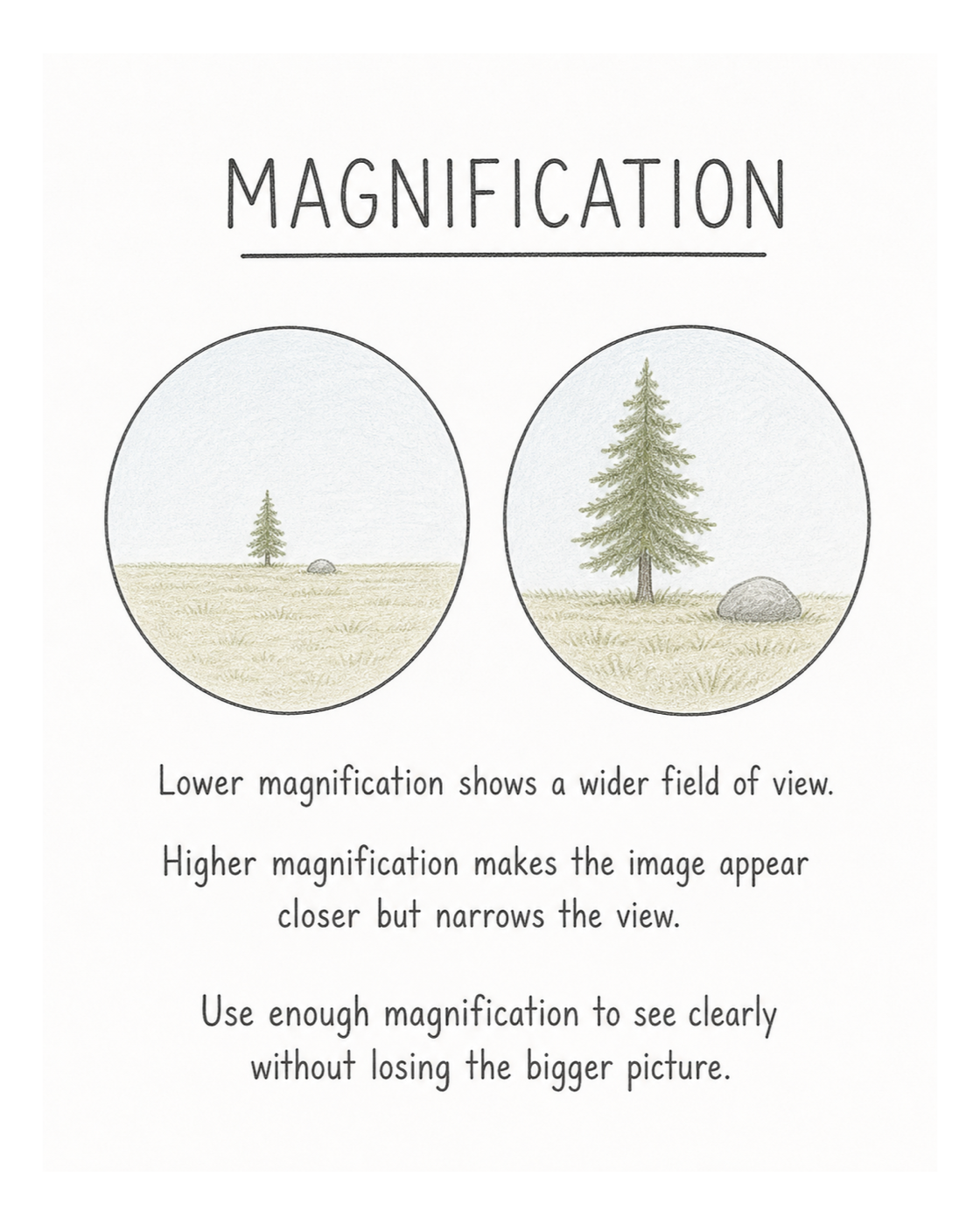
A Beginner’s Scouting Notebook
Five observations worth recording every time you walk a piece of hunting country.