NV / Big Game
Nevada
Black Bear.
A practical guide to Nevada black bear tags, western habitat, identification, access, hunting strategy, harvest limits, checkout, and reporting.
Official black bear page ↗01 / Overview
Start with the shape of the hunt.
Nevada black bear hunting is a specialized tagged opportunity concentrated largely in suitable western mountain habitat. It uses its own current application, season, harvest-limit, checkout, and reporting rules.
Bear color varies, so identification cannot be based on coat color alone. Dense cover, private land, steep terrain, and meat recovery add complexity.
A responsible plan begins with the current bear regulation, positive identification, legal access, harvest-status awareness, and the full post-harvest procedure.
02 / Opportunity
Is this a good state for this hunt?
Bear is not a general statewide opportunity. Tags, open units, residency, application rules, harvest limits, and methods must be confirmed for the current season.
A visible bear may be on private land, near development, in closed terrain, or in a place where safe recovery is unrealistic.
Beginners should prioritize conservative identification, clear shooting direction, follow-up, meat care, and biological checkout planning.
04 / Planning strategy
Plan backward from identification and checkout.
Choose country where legal access, visibility, a safe shot, follow-up, recovery, transport, and official checkout can all be solved.
Scout current food, water, tracks, scat, travel routes, openings, and pressure. Bear use can shift quickly with season and available food.
Recheck harvest status and any unit closure before each hunt day, then keep the official post-harvest sequence available offline.
05 / Seasons
Learn the categories. Check the dates.
NDOW publishes black bear seasons, open units, methods, quotas or harvest limits, and application details through current regulations.
Use current bear, Apply and Buy, regulation, and tag materials for exact dates, status, legal animals, checkout, and reporting.
Open the current official digest ↗06 / Habitat
Where they live.
Sierra and western forest
Timber, brush, mast, berries, water, burns, and development edges can influence bear movement.
Pinyon-juniper and mountain shrub
Food changes, drought, elevation, roads, and private land can shift where bears are huntable.
Openings and food edges
Visibility helps identification, but background, access, structures, roads, and the recovery route remain decisive.
07 / Methods
Match the method to the exact hunt.
Glassing openings
Take time to identify the animal, assess behavior and surroundings, and solve recovery before acting.
Still-hunting sign
Move slowly with strict muzzle control in dense cover and maintain a high threshold for positive identification.
Other legal methods
Nevada bear methods and conditions are current-regulation questions. Confirm the exact method before planning equipment or tactics.
Current legal methods, ammunition rules, and hunt-specific restrictions come from CDFW and the applicable land manager.
08 / Beginner strategy
If I wanted to start, what would I actually do?
- 01
Read the current NDOW material
Start with NDOW’s current planning and regulation pages for black bear. Record the exact license, tag, application, season, unit, method, and reporting rules.
Official resource ↗ - 02
Confirm the opportunity path
Determine whether the hunt uses the main draw, another draw, a tag, permit, reservation, HIP number, stamp, or general season. Check every current deadline.
- 03
Prove access and boundaries
Identify the hunt unit or property, legal entry, private inholdings, federal or state restrictions, county rules, roads, closures, and a backup route.
- 04
Scout the real constraints
Record food, tracks, scat, water, cover, openings, roads, private land, development, safe backgrounds, harvest status, and the route to checkout.
- 05
Practice the complete field sequence
Practice identification, anatomy, shot restraint, follow-up, recovery, meat care, transport, checkout, biological samples, tag handling, and reporting.
- 06
Recheck and report
Immediately before the hunt, recheck regulations, weather, fire, roads, access, equipment, and documents. Complete every required questionnaire, checkout, or harvest report afterward.
09 / Current information
Official resources.
Official black bear biology, range, habitat, management, and hunting resources.
Official source ↗Apply and BuyOfficial license, tag, permit, application, bonus-point, and purchasing guidance.
Official source ↗Nevada hunt statisticsOfficial harvest, unit-group, trend, and checkout statistics by species.
Official source ↗Nevada hunting rules and regulationsCurrent big-game, small-game, migratory-bird, WMA, county, and method regulations.
Official source ↗Plan Your HuntOfficial planning resources for big game, upland birds, waterfowl, maps, harvest, and reporting.
Keep learning
Useful before a black bear hunt.
Existing Sportsman’s Illustrated lessons are connected by slug, so this section can grow without duplicating article content.
 Rifle Hunting
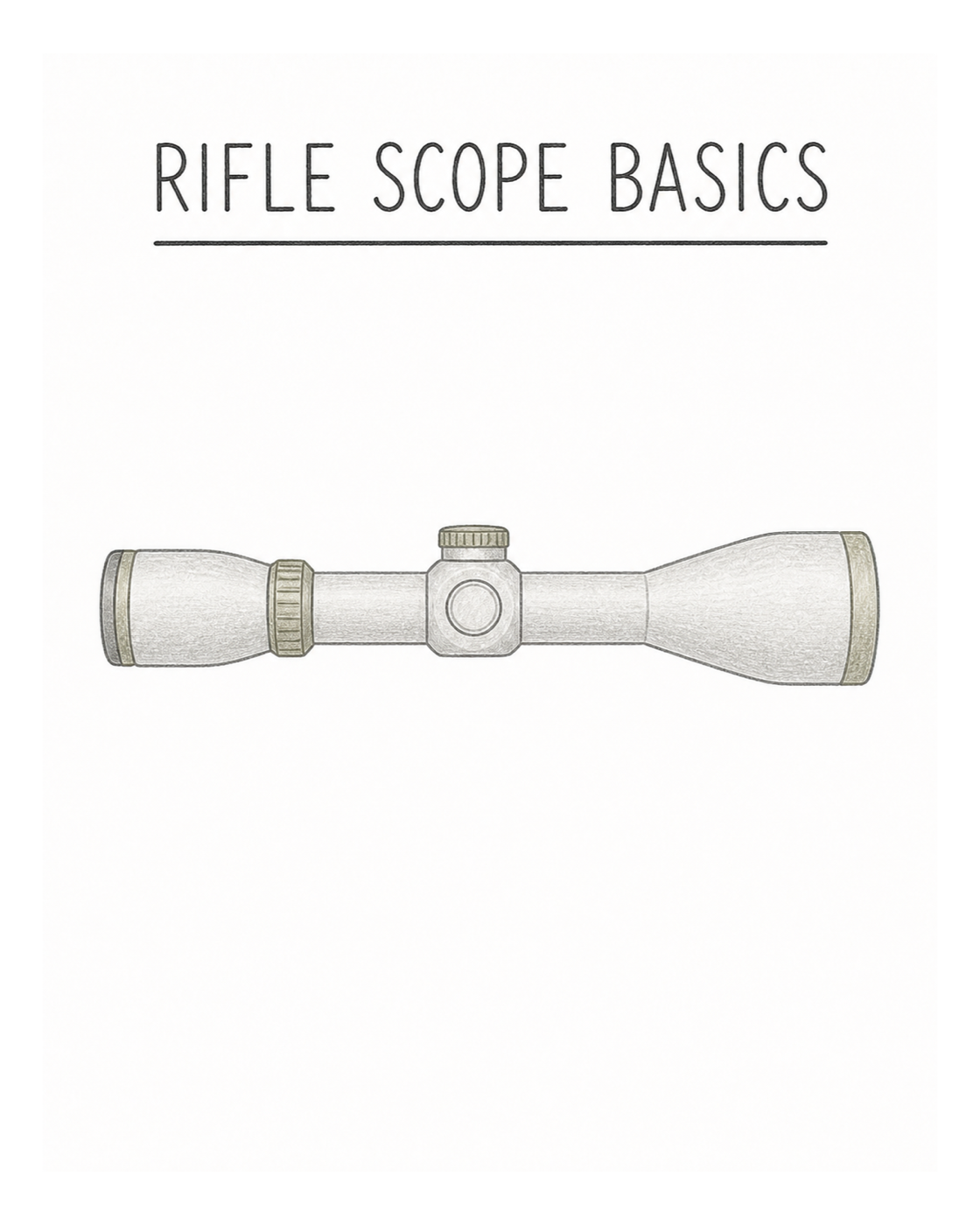
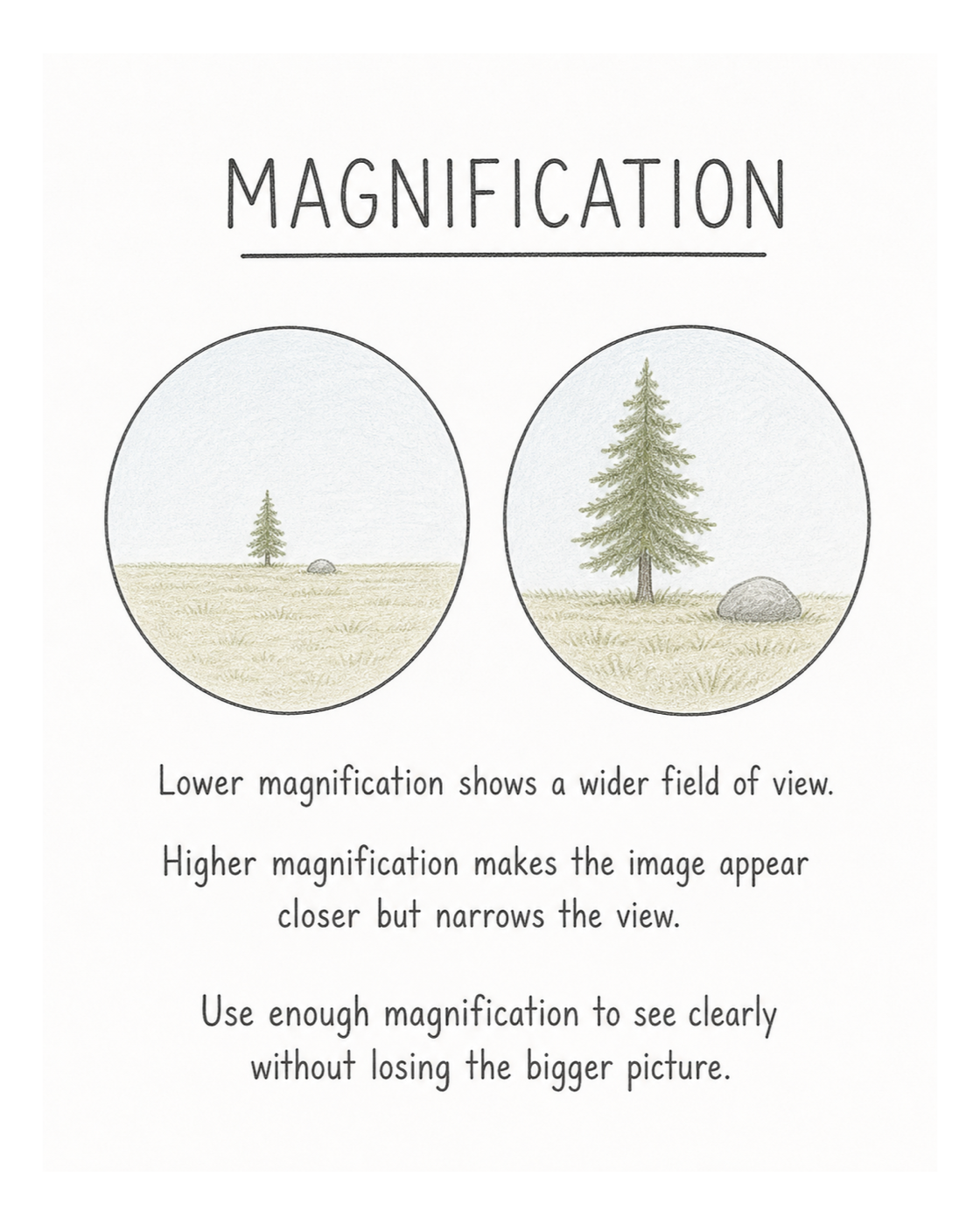
How to Read a Rifle Scope
What the numbers mean, which other specifications matter, and how to make sense of your first hunting optic.
 Hunter Education
What an Ammunition Box Tells You
A beginner’s guide to cartridge names, bullet weight, shotshell markings, and the information worth checking on factory ammunition.
 Fieldcraft
A Beginner’s Scouting Notebook
Five observations worth recording every time you walk a piece of hunting country.