NV / Big Game
Nevada
Mule Deer.
A practical guide to Nevada mule deer units, draw choices, bonus points, weapon classes, habitat, access, scouting, and a realistic first hunt.
Official mule deer page ↗01 / Overview
Start with the shape of the hunt.
Mule deer are found across Nevada, from Mojave country and sagebrush basins to pinyon-juniper, aspen, conifer forest, and subalpine ranges. The hunt is organized by unit group, hunt number, tag category, and legal weapon.
Nevada’s draw is not simply a first-choice preference system. Every hunt choice, bonus-point category, unit, season, and weapon class should be researched as part of one complete application.
For a beginner, the best hunt is one you can reach, scout, and understand, not automatically the unit with the loudest reputation.
02 / Opportunity
Is this a good state for this hunt?
A Nevada deer tag generally requires planning through the draw or another current tag-issuance path. Availability and difficulty vary sharply by residency, hunt, unit, and weapon class.
Large units can hide a difficult access pattern. Public land may be broken by private inholdings, seasonal roads, steep ranges, limited water, wildfire, and long distances from services.
Mule deer can be a sound Nevada big-game starting point when the hunter treats the application, scouting, shooting, recovery, and mandatory questionnaire as one system.
04 / Planning strategy
Use every choice like it could become your hunt.
Start with units you can scout, then compare season timing, weapon class, terrain, access, harvest data, current draw information, and the hunt information sheet.
Keep a separate annual field plan if the draw is unsuccessful. Upland birds, waterfowl, or small game can build the Nevada navigation, desert logistics, and shooting skills deer hunting requires.
If drawn, narrow the unit into several huntable areas based on ownership, water, seasonal habitat, roads, pressure, and a recovery route rather than trying to cover the whole map.
05 / Seasons
Learn the categories. Check the dates.
Nevada publishes mule deer hunts by hunt number, unit group, season, residency, sex, eligibility, and weapon class. Those details can change annually.
Use the current big-game regulation publication, NDOW application page, hunt information sheets, and your issued tag for controlling dates and conditions.
Open the current official digest ↗06 / Habitat
Where they live.
Sagebrush and mountain shrub
Forage, water, burns, migration, elevation, weather, and road pressure can shift deer use across a large unit.
Pinyon-juniper and forest edges
Glassing openings, recent fire, benches, cover, springs, and quiet travel routes help break dense country into workable areas.
Desert and subalpine extremes
Nevada deer span very different landscapes. Unit-specific information matters more than a generic statewide habitat formula.
07 / Methods
Match the method to the exact hunt.
Any legal weapon
Confirm current equipment rules and build stable field positions within a proven range before the season.
Archery
Close-range wind, concealment, shot angle, tracking, and recovery demand dedicated practice and realistic scouting.
Muzzleloader and specialty hunts
Treat the exact legal equipment, dates, eligibility, and unit conditions as a separate hunt, not a variation of rifle season.
Current legal methods, ammunition rules, and hunt-specific restrictions come from CDFW and the applicable land manager.
08 / Beginner strategy
If I wanted to start, what would I actually do?
- 01
Read the current NDOW material
Start with NDOW’s current planning and regulation pages for mule deer. Record the exact license, tag, application, season, unit, method, and reporting rules.
Official resource ↗ - 02
Confirm the opportunity path
Determine whether the hunt uses the main draw, another draw, a tag, permit, reservation, HIP number, stamp, or general season. Check every current deadline.
- 03
Prove access and boundaries
Identify the hunt unit or property, legal entry, private inholdings, federal or state restrictions, county rules, roads, closures, and a backup route.
- 04
Scout the real constraints
Record unit boundaries, ownership, roads, water, elevation, burns, forage, fresh sign, glassing points, hunting pressure, fuel, communication, and recovery routes.
- 05
Practice the complete field sequence
Practice navigation, identification, field positions, range restraint, follow-up, marking the location, tag handling, recovery, meat care, transport, and the harvest questionnaire.
- 06
Recheck and report
Immediately before the hunt, recheck regulations, weather, fire, roads, access, equipment, and documents. Complete every required questionnaire, checkout, or harvest report afterward.
09 / Current information
Official resources.
Official mule deer biology, range, habitat, management, and hunting resources.
Official source ↗Apply and BuyOfficial license, tag, permit, application, bonus-point, and purchasing guidance.
Official source ↗Nevada bonus point programOfficial explanation of bonus points, categories, applications, and party calculations.
Official source ↗NDOW hunt information sheetsSpecies and unit-group planning notes prepared by Nevada game biologists.
Official source ↗Nevada hunt statisticsOfficial harvest, unit-group, trend, and checkout statistics by species.
Official source ↗Nevada hunting rules and regulationsCurrent big-game, small-game, migratory-bird, WMA, county, and method regulations.
Official source ↗Plan Your HuntOfficial planning resources for big game, upland birds, waterfowl, maps, harvest, and reporting.
Keep learning
Useful before a mule deer hunt.
Existing Sportsman’s Illustrated lessons are connected by slug, so this section can grow without duplicating article content.
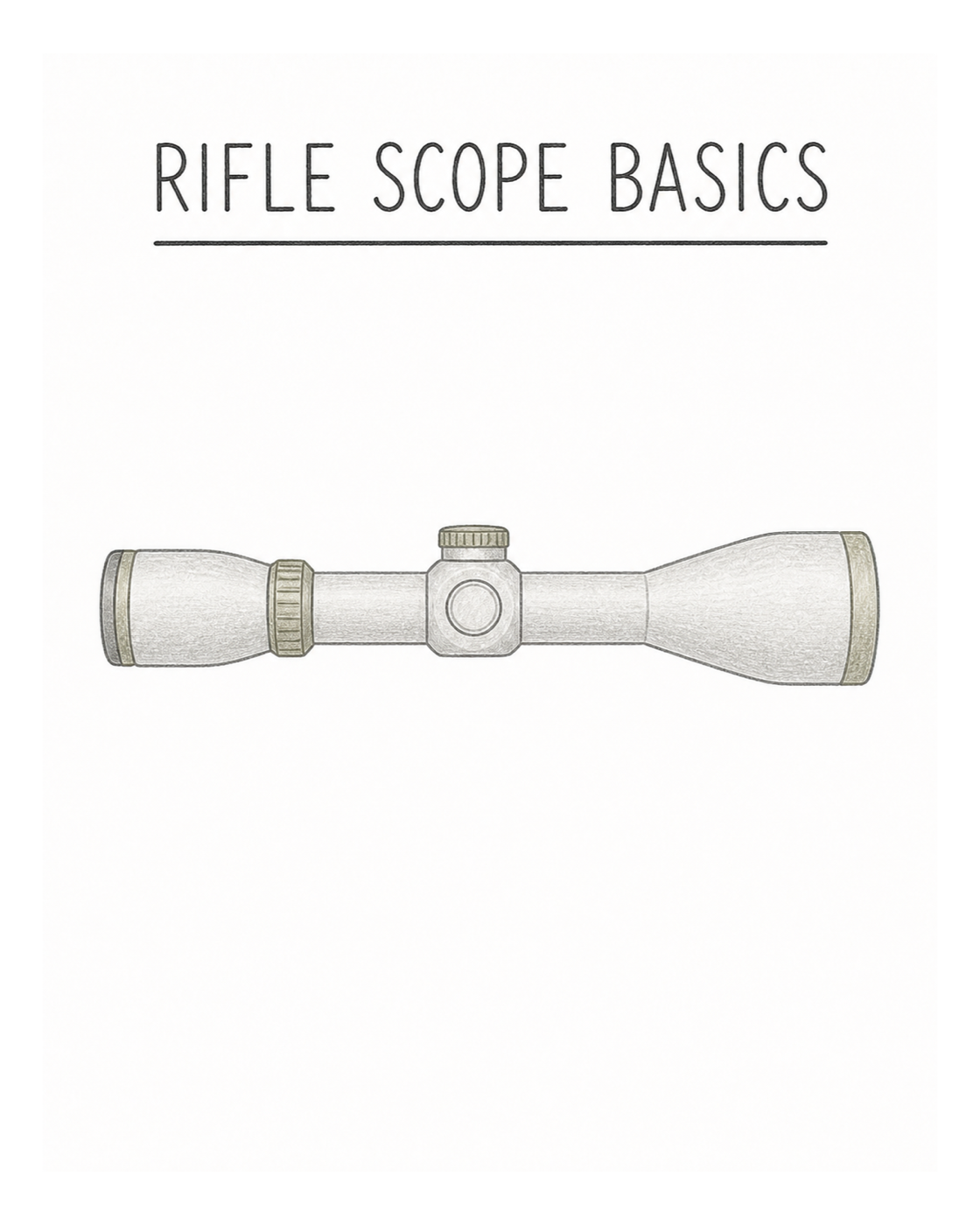 Rifle Hunting
How to Read a Rifle Scope
What the numbers mean, which other specifications matter, and how to make sense of your first hunting optic.
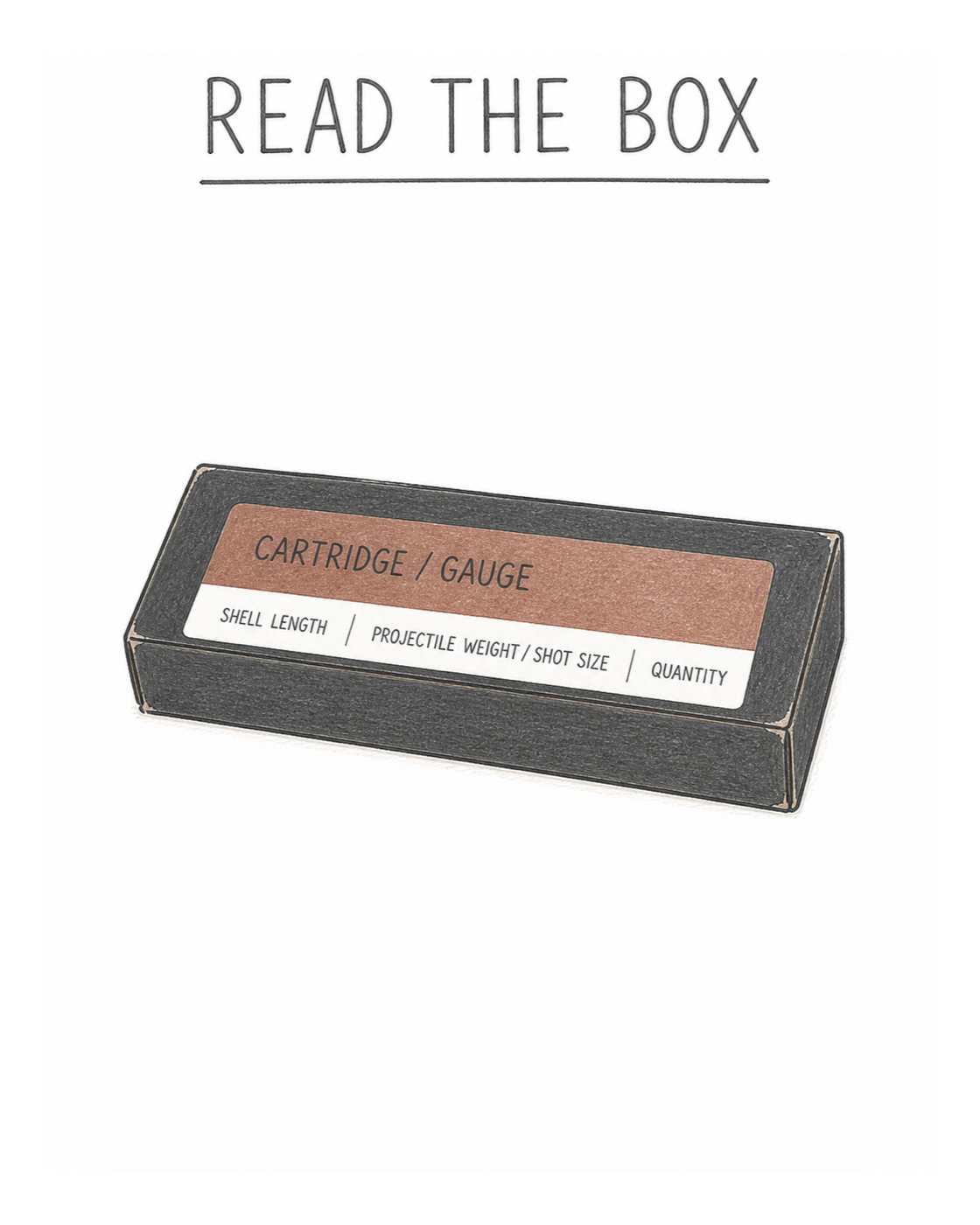 Hunter Education
What an Ammunition Box Tells You
A beginner’s guide to cartridge names, bullet weight, shotshell markings, and the information worth checking on factory ammunition.
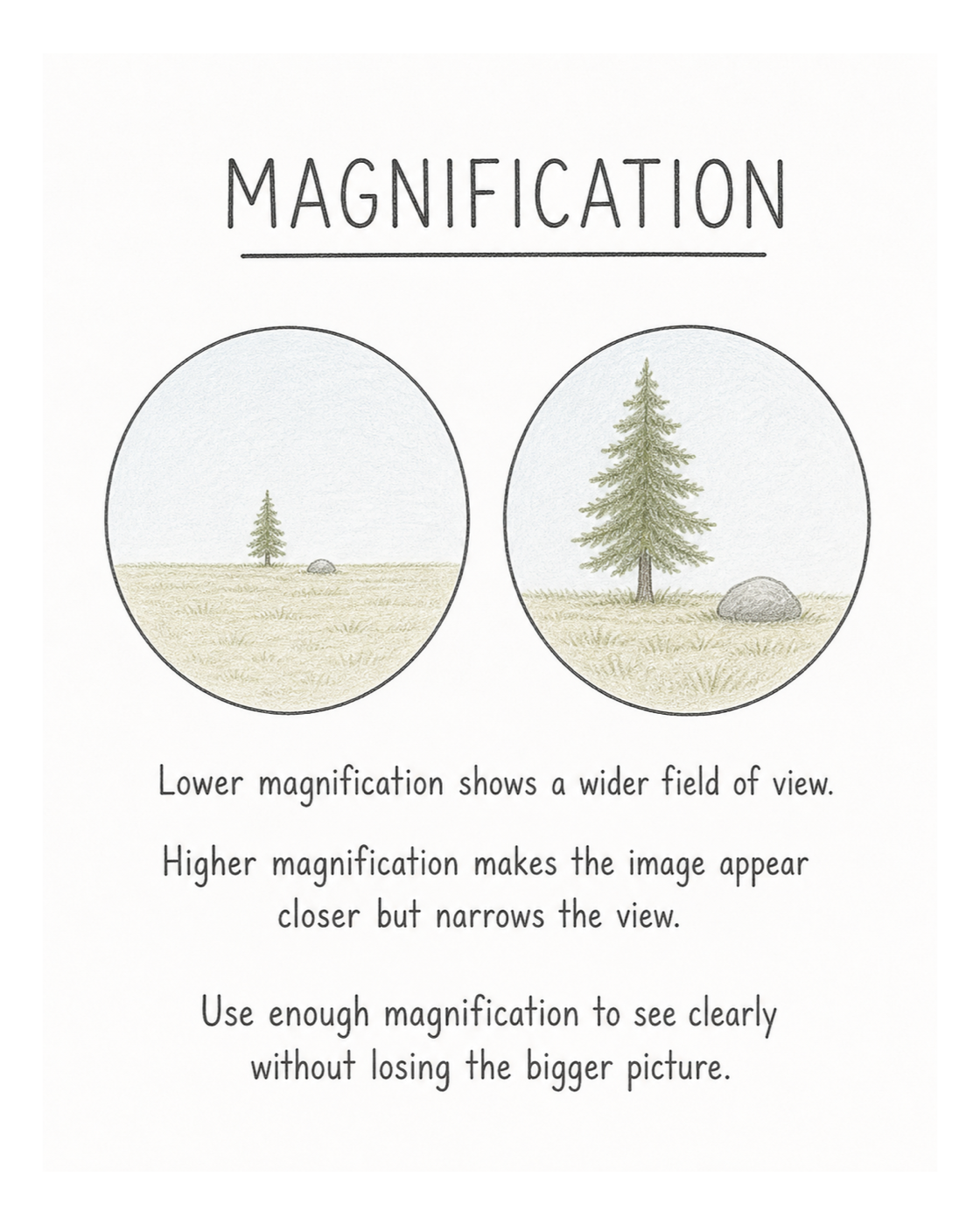 Fieldcraft
A Beginner’s Scouting Notebook
Five observations worth recording every time you walk a piece of hunting country.