NV / Big Game
Nevada
Elk.
A clear guide to Nevada elk hunt categories, bonus points, units, habitat, access, scouting, physical preparation, and recovery logistics.
Official elk page ↗01 / Overview
Start with the shape of the hunt.
Nevada elk are Rocky Mountain elk occupying a patchwork of sagebrush, pinyon-juniper, forest, meadow, and high-country habitat. Tags are limited and issued through current Nevada tag systems.
The application is only the first challenge. A unit can be large, remote, physically demanding, and complicated by private land or access corridors.
Elk should be a long-term application goal supported by annual field experience on more obtainable hunts.
02 / Opportunity
Is this a good state for this hunt?
Draw difficulty varies by category, unit, residency, weapon class, and hunt. Bonus points increase chances but do not guarantee a tag.
A drawn tag can require long scouting trips, steep climbs, cold or warm weather, multiple vehicles, private-land research, and a team capable of moving a large animal.
Apply only where you can realistically scout, hunt, and recover an elk under the exact season conditions.
04 / Planning strategy
Apply only where you can solve the recovery.
Use unit sheets, harvest statistics, current draw data, maps, and landownership to build a short list. Then eliminate hunts that do not fit your time, fitness, access, and recovery resources.
If drawn, plan backward from meat care and transport. Distance from the road, heat, elevation, animal size, and available help should affect where and how you hunt.
Keep building glassing, navigation, shooting, and field-care skill every year rather than waiting for an elk tag to begin learning.
05 / Seasons
Learn the categories. Check the dates.
Nevada elk hunts are published by category, hunt number, unit group, residency, weapon class, and season. Quotas and availability are current-year information.
Use NDOW’s current big-game publication, Apply and Buy page, unit sheets, and issued tag for exact conditions.
Open the current official digest ↗06 / Habitat
Where they live.
Sagebrush and pinyon-juniper
Water, forage, cover, benches, roads, and recent fire can organize elk use across broad basins and ranges.
Forest and mountain meadow
Elevation, snow, shade, wallows, security cover, and pressure influence daily and seasonal movement.
Private and agricultural interfaces
Elk may use land you cannot enter. Secure permission and legal routes instead of treating sightings as access.
07 / Methods
Match the method to the exact hunt.
Any legal weapon
Practice realistic positions and identification while planning around distance, wind, terrain, and a complete recovery route.
Archery
Calling, wind, close-range movement, shot angle, tracking, and physical recovery require a dedicated plan.
Antlerless and specialty hunts
Eligibility, animal class, season, property, and management purpose can differ. Read the exact hunt listing.
Current legal methods, ammunition rules, and hunt-specific restrictions come from CDFW and the applicable land manager.
08 / Beginner strategy
If I wanted to start, what would I actually do?
- 01
Read the current NDOW material
Start with NDOW’s current planning and regulation pages for elk. Record the exact license, tag, application, season, unit, method, and reporting rules.
Official resource ↗ - 02
Confirm the opportunity path
Determine whether the hunt uses the main draw, another draw, a tag, permit, reservation, HIP number, stamp, or general season. Check every current deadline.
- 03
Prove access and boundaries
Identify the hunt unit or property, legal entry, private inholdings, federal or state restrictions, county rules, roads, closures, and a backup route.
- 04
Scout the real constraints
Map unit access, ownership, water, forage, wallows, bedding cover, glassing points, roads, pressure, wind, elevation, and several recovery routes.
- 05
Practice the complete field sequence
Practice identification, calling restraint, shooting positions, navigation, communication, field care, heavy-load movement, transport, and mandatory reporting.
- 06
Recheck and report
Immediately before the hunt, recheck regulations, weather, fire, roads, access, equipment, and documents. Complete every required questionnaire, checkout, or harvest report afterward.
09 / Current information
Official resources.
Official elk biology, range, habitat, and hunting links.
Official source ↗Apply and BuyOfficial license, tag, permit, application, bonus-point, and purchasing guidance.
Official source ↗Nevada bonus point programOfficial explanation of bonus points, categories, applications, and party calculations.
Official source ↗NDOW hunt information sheetsSpecies and unit-group planning notes prepared by Nevada game biologists.
Official source ↗Nevada hunt statisticsOfficial harvest, unit-group, trend, and checkout statistics by species.
Official source ↗Nevada hunting rules and regulationsCurrent big-game, small-game, migratory-bird, WMA, county, and method regulations.
Keep learning
Useful before a elk hunt.
Existing Sportsman’s Illustrated lessons are connected by slug, so this section can grow without duplicating article content.
 Rifle Hunting
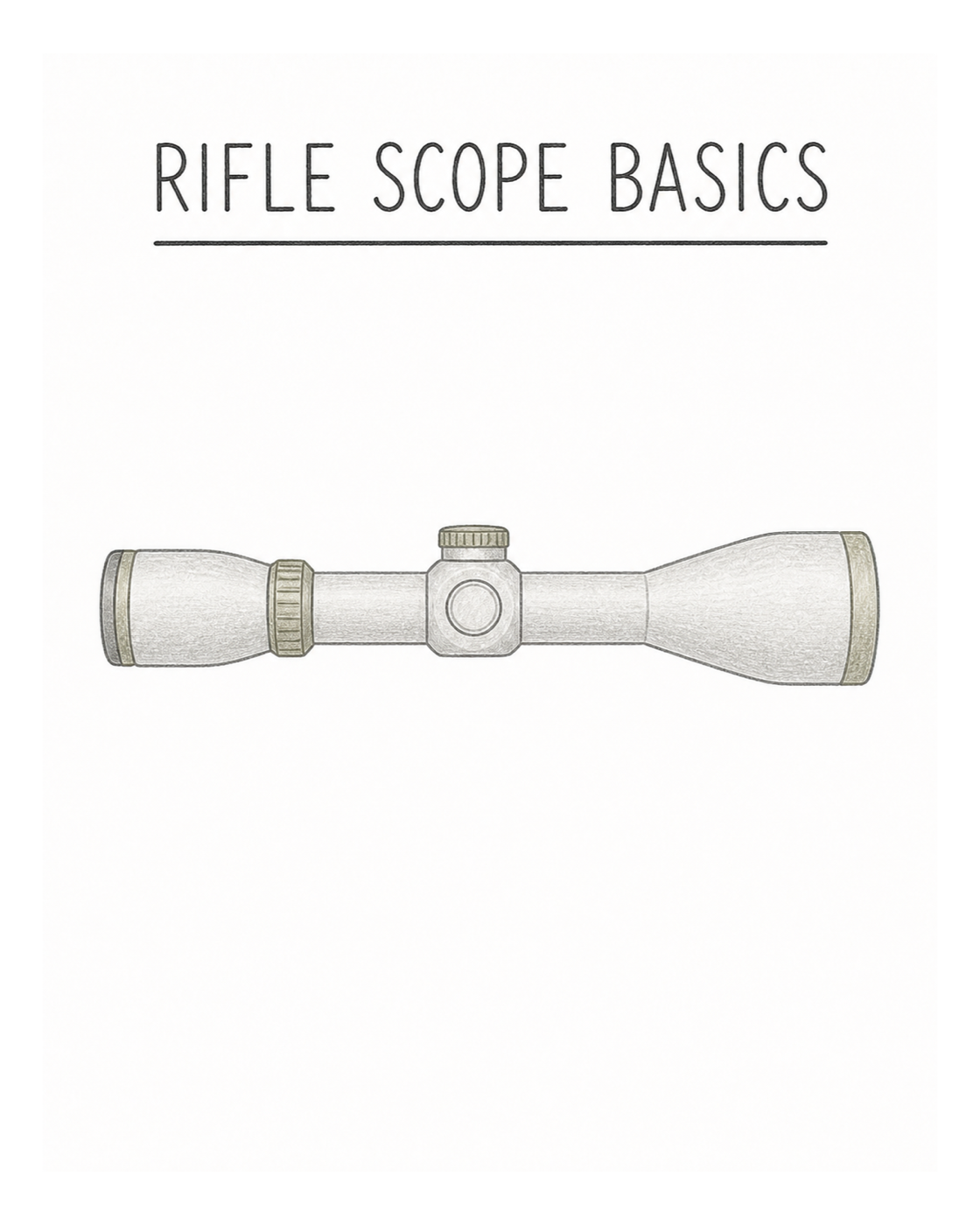
How to Read a Rifle Scope
What the numbers mean, which other specifications matter, and how to make sense of your first hunting optic.
 Hunter Education
What an Ammunition Box Tells You
A beginner’s guide to cartridge names, bullet weight, shotshell markings, and the information worth checking on factory ammunition.
 Fieldcraft
A Beginner’s Scouting Notebook
Five observations worth recording every time you walk a piece of hunting country.