NV / Big Game
Nevada
Mountain Goat.
A field-first guide to Nevada mountain goat applications, bonus points, limited high-country range, access, identification, fitness, and recovery.
Official mountain goat page ↗01 / Overview
Start with the shape of the hunt.
Nevada mountain goats occupy a very limited high-country range, including the Ruby Mountains and East Humboldt Range. The hunt is rare, steep, and physically serious.
A tag is a long-term draw possibility rather than a dependable first-hunt plan. Applicants should understand the exact unit, terrain, access, season, and animal-identification expectations.
The hunt should be approached as a mountain expedition with hunting inside it, not simply a shooting opportunity at high elevation.
02 / Opportunity
Is this a good state for this hunt?
Tag numbers are extremely limited. Bonus points improve probability without guaranteeing success.
Goat country can involve cliffs, talus, snow, exposure, altitude, limited roads, heavy packs, and difficult retrieval.
Apply only if your fitness, schedule, scouting access, mountain judgment, and recovery support match the exact hunt.
04 / Planning strategy
Treat the tag as a mountain expedition.
Research trailheads, wilderness, elevation, snow, weather, glassing basins, camping, water, communication, and recovery before comparing draw data.
Build alpine fitness, pack systems, navigation, glassing, and decision-making through repeated mountain days rather than waiting for a tag.
If drawn, scout enough to understand both goat distribution and safe routes under more than one weather condition.
05 / Seasons
Learn the categories. Check the dates.
NDOW publishes mountain goat hunts by hunt number, unit group, residency, animal class, and season. Annual quotas and conditions can change.
Use current regulations, hunt information sheets, statistics, and tag material for exact dates, boundaries, access, and checkout duties.
Open the current official digest ↗06 / Habitat
Where they live.
Alpine cliffs and ledges
Goats use steep rock, pinnacles, benches, and escape terrain where a safe approach or recovery may be impossible.
Talus and high basins
Snow, wind, exposure, water, unstable footing, and distance from a trailhead can control the day.
Seasonal lower movement
Weather may change access and distribution, but current scouting and unit information should guide the plan.
07 / Methods
Match the method to the exact hunt.
Glassing from safe terrain
Identify animals and evaluate the recovery route before approaching; visible does not mean safely huntable.
Mountain approach
Use conservative routes, turnaround times, weather judgment, and communication rather than committing past your safe return.
Field shooting
Practice stable positions at realistic angles while keeping identification, background, and retrieval central.
Current legal methods, ammunition rules, and hunt-specific restrictions come from CDFW and the applicable land manager.
08 / Beginner strategy
If I wanted to start, what would I actually do?
- 01
Read the current NDOW material
Start with NDOW’s current planning and regulation pages for mountain goat. Record the exact license, tag, application, season, unit, method, and reporting rules.
Official resource ↗ - 02
Confirm the opportunity path
Determine whether the hunt uses the main draw, another draw, a tag, permit, reservation, HIP number, stamp, or general season. Check every current deadline.
- 03
Prove access and boundaries
Identify the hunt unit or property, legal entry, private inholdings, federal or state restrictions, county rules, roads, closures, and a backup route.
- 04
Scout the real constraints
Map trailheads, wilderness, elevation, cliffs, basins, water, snow, weather, safe routes, glassing positions, communication, camping, and recovery options.
- 05
Practice the complete field sequence
Build alpine fitness, pack movement, navigation, identification, glassing, steep-angle positions, emergency judgment, field care, checkout, and reporting.
- 06
Recheck and report
Immediately before the hunt, recheck regulations, weather, fire, roads, access, equipment, and documents. Complete every required questionnaire, checkout, or harvest report afterward.
09 / Current information
Official resources.
Official mountain goat biology, Nevada range, habitat, and hunting links.
Official source ↗Apply and BuyOfficial license, tag, permit, application, bonus-point, and purchasing guidance.
Official source ↗Nevada bonus point programOfficial explanation of bonus points, categories, applications, and party calculations.
Official source ↗NDOW hunt information sheetsSpecies and unit-group planning notes prepared by Nevada game biologists.
Official source ↗Nevada hunt statisticsOfficial harvest, unit-group, trend, and checkout statistics by species.
Official source ↗Nevada hunting rules and regulationsCurrent big-game, small-game, migratory-bird, WMA, county, and method regulations.
Keep learning
Useful before a mountain goat hunt.
Existing Sportsman’s Illustrated lessons are connected by slug, so this section can grow without duplicating article content.
 Rifle Hunting
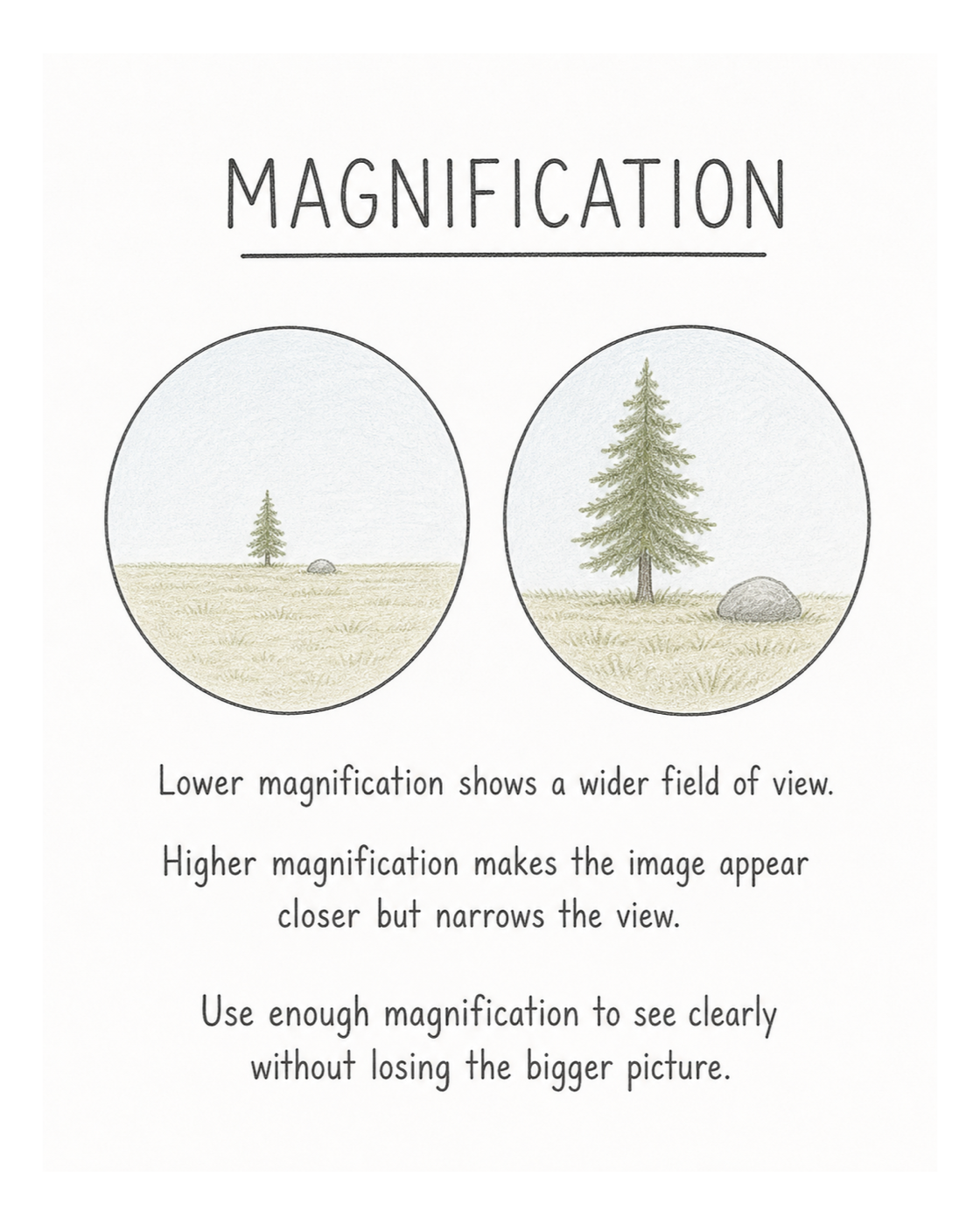
How to Read a Rifle Scope
What the numbers mean, which other specifications matter, and how to make sense of your first hunting optic.
 Hunter Education
What an Ammunition Box Tells You
A beginner’s guide to cartridge names, bullet weight, shotshell markings, and the information worth checking on factory ammunition.
 Fieldcraft
A Beginner’s Scouting Notebook
Five observations worth recording every time you walk a piece of hunting country.