NV / Small Game
Nevada
Small Game.
A beginner-friendly guide to Nevada rabbits and other small-game categories, with licensing, identification, habitat, public access, safe shooting, retrieval, and field care.
Official small game page ↗01 / Overview
Start with the shape of the hunt.
Nevada small game includes several rabbit and hare opportunities plus other regulated or unprotected species categories. The exact species determines whether a license, season, limit, method, or other rule applies.
Small game can be a repeatable way to learn Nevada habitat, mapping, observation, safe shooting, recovery, and field care without waiting for a rare big-game tag.
Begin by choosing one positively identifiable legal species and one nearby parcel, then read that exact current regulation entry.
02 / Opportunity
Is this a good state for this hunt?
Opportunity can be widespread, but local abundance, disease, fire, drought, county discharge rules, federal-land restrictions, WMAs, and private property still control the real hunt.
Similar animals can have different legal status. Identification and range knowledge must come before the shot.
A short repeatable hunt near home is more useful for a beginner than a long desert drive built on vague assumptions.
04 / Planning strategy
Choose one species close enough to learn repeatedly.
Scout at the time of day you intend to hunt. Learn tracks, droppings, feeding areas, water, escape cover, safe backgrounds, roads, and other recreation.
Build identification from official species material and the current regulation book. If identity or legal status is uncertain, do not shoot.
Use every outing to improve access notes, observation, quiet movement, field positions, restraint, complete recovery, and care of game.
05 / Seasons
Learn the categories. Check the dates.
Nevada’s small-game publication separates game rabbits, hares, upland birds, migratory birds, turkey, furbearers, and unprotected species under different rules.
Use the current publication and NDOW rules page for the exact species, dates, areas, limits, methods, licenses, transport, and county restrictions.
Open the current official digest ↗06 / Habitat
Where they live.
Sagebrush and grass edge
Food, low cover, burrows, water, and escape routes can concentrate rabbits around active periods.
Desert wash and shrub
Shade, vegetation, heat, roads, and long visibility shape animal movement and safe shooting.
Mountain and agricultural margins
Species, ownership, water, cover, buildings, livestock, and local rules change the opportunity.
07 / Methods
Match the method to the exact hunt.
Slow still-hunting
Move quietly, pause often, identify completely, keep a safe background, and stay within your proven range.
Observation and short stalk
Use binoculars and terrain to confirm species, legal status, other people, roads, livestock, and the shooting direction.
Other legal methods
Archery, falconry, night hunting, trapping, or predator methods carry distinct current rules. Do not generalize across them.
Current legal methods, ammunition rules, and hunt-specific restrictions come from CDFW and the applicable land manager.
08 / Beginner strategy
If I wanted to start, what would I actually do?
- 01
Read the current NDOW material
Start with NDOW’s current planning and regulation pages for small game. Record the exact license, tag, application, season, unit, method, and reporting rules.
Official resource ↗ - 02
Confirm the opportunity path
Determine whether the hunt uses the main draw, another draw, a tag, permit, reservation, HIP number, stamp, or general season. Check every current deadline.
- 03
Prove access and boundaries
Identify the hunt unit or property, legal entry, private inholdings, federal or state restrictions, county rules, roads, closures, and a backup route.
- 04
Scout the real constraints
Record exact species, tracks, droppings, food, water, cover, active time, safe backgrounds, roads, ownership, other recreation, county rules, and current health notices.
- 05
Practice the complete field sequence
Practice identification, safe carries, field positions, range limits, restraint, marking the animal, full recovery, disease-safe handling, field care, transport, and honest reporting.
- 06
Recheck and report
Immediately before the hunt, recheck regulations, weather, fire, roads, access, equipment, and documents. Complete every required questionnaire, checkout, or harvest report afterward.
09 / Current information
Official resources.
Official planning resources for big game, upland birds, waterfowl, maps, harvest, and reporting.
Official source ↗Nevada hunting rules and regulationsCurrent big-game, small-game, migratory-bird, WMA, county, and method regulations.
Official source ↗Apply and BuyOfficial license, tag, permit, application, bonus-point, and purchasing guidance.
Official source ↗Hunting in NevadaOfficial starting point for Nevada hunting, planning, regulations, and licenses.
Keep learning
Useful before a small game hunt.
Existing Sportsman’s Illustrated lessons are connected by slug, so this section can grow without duplicating article content.
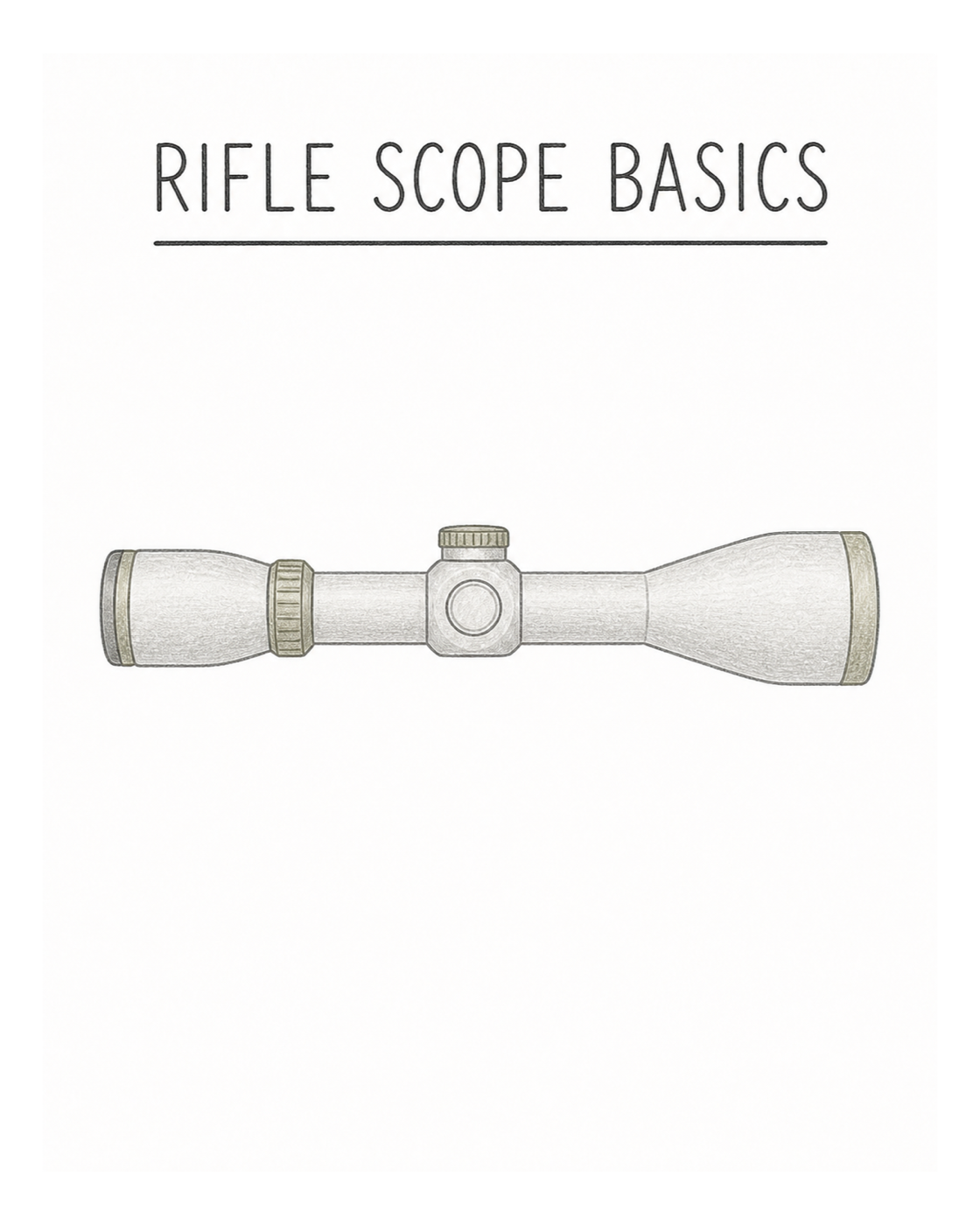 Rifle Hunting
How to Read a Rifle Scope
What the numbers mean, which other specifications matter, and how to make sense of your first hunting optic.
 Hunter Education
What an Ammunition Box Tells You
A beginner’s guide to cartridge names, bullet weight, shotshell markings, and the information worth checking on factory ammunition.
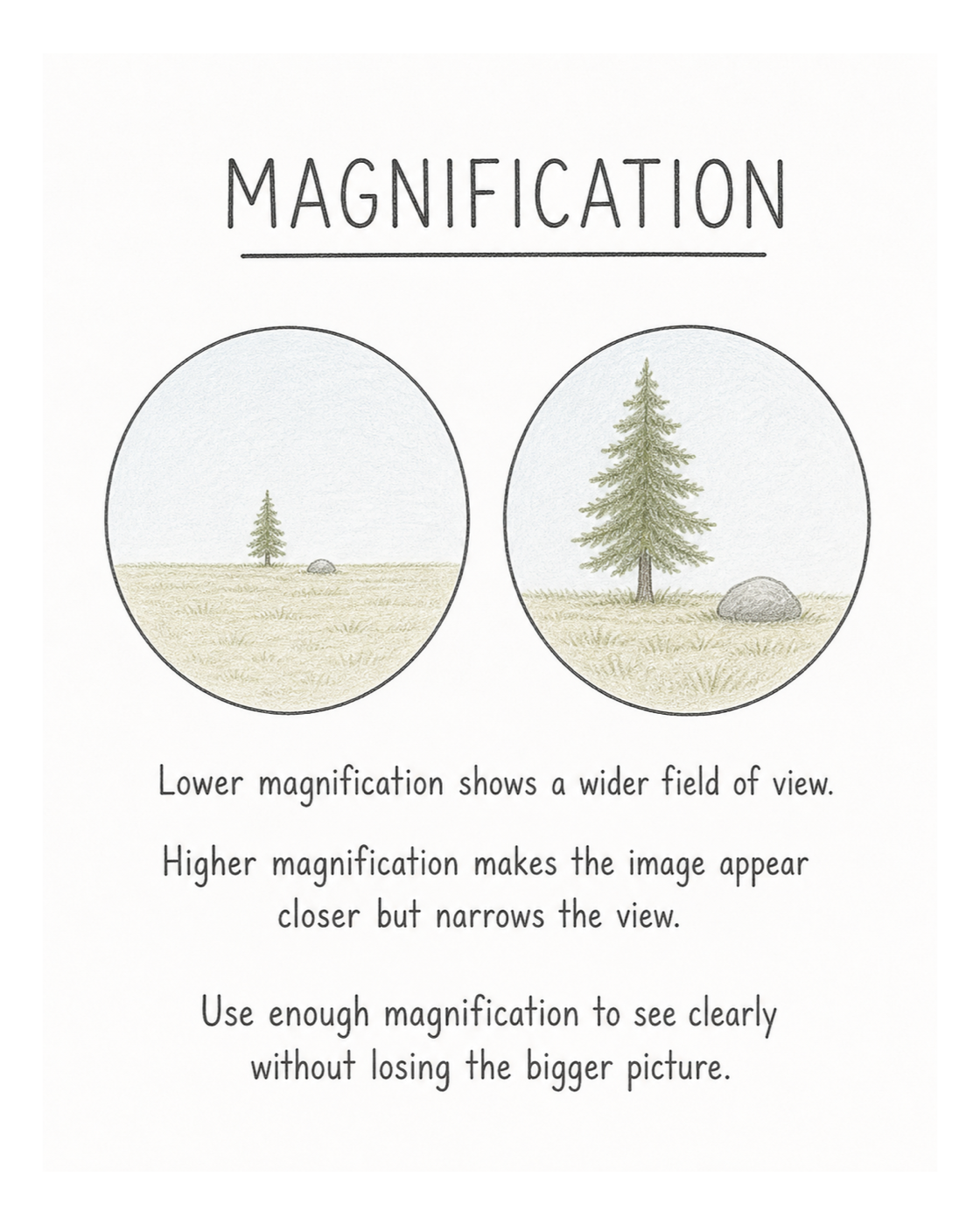 Fieldcraft
A Beginner’s Scouting Notebook
Five observations worth recording every time you walk a piece of hunting country.