NM / Big Game
New Mexico
Black Bear.
A verify-first guide to New Mexico black bear licenses, draw permits, management zones, live harvest limits, closures, identification, tagging, and pelt rules.
Official black bear page ↗01 / Overview
Start with the shape of the hunt.
Black bears occupy mountain forest, oak, canyon, riparian, and mast-producing country across defined management zones.
Much bear opportunity uses an over-the-counter license, while selected Wildlife Management Area hunts require a draw permit. A zone closes when its current total or female sustainable-harvest trigger is reached.
The hunter must verify the zone is open before hunting, identify the complete animal, avoid protected cub and female-with-cub situations, and follow reporting, tagging, inspection, and pelt requirements.
02 / Opportunity
Is this a good state for this hunt?
An over-the-counter license is only the starting document; zone dates, live closure status, access, and method rules still control.
Draw permits for selected properties do not replace the bear license and carcass tag requirements.
Heat, steep recovery, tooth or pelt duties, and rapid meat care make an experienced partner valuable.
04 / Planning strategy
Treat live closure status as part of the hunt plan.
Choose a zone with verified access, current season, harvest room, food, water, and a realistic recovery route.
Scout mast, berries, drainages, tracks, scat, feeding sign, road restrictions, wind, homes, livestock, and cub activity.
Set conservative identification and shot standards, then plan immediate tagging, reporting, inspection, cooling, and transport.
05 / Seasons
Learn the categories. Check the dates.
New Mexico publishes black bear opportunity through the exact license, permit, hunt code, GMU or management zone, legal animal, sporting arm, dates, eligibility, and land status. Those details can change between license years.
Use the current digital rules book and corrections, issued license or permit, official map, live harvest-limit or closure table, property documents, and controlling land manager for authoritative dates, boundaries, methods, access, and reporting duties.
Open the current official digest ↗06 / Habitat
Where they live.
Oak and canyon
Mast, water, shade, steep terrain, wind, heat, and private boundaries influence bears.
Ponderosa and mixed conifer
Burns, meadows, berries, roadless cover, weather, and pack-out shape opportunity.
Riparian and agricultural edge
Food, water, homes, livestock, orchards, private land, and conflict risk require caution.
07 / Methods
Match the method to the exact hunt.
Spot and stalk
Identify the entire bear, companions, land, backstop, shot angle, and recovery before acting.
Calling where legal
Confirm current call rules and use strict visibility, identification, and partner safety.
Dogs where legal
Read the exact zone, season, land, pursuit, pack, and harvest rules.
Current legal methods, ammunition rules, and hunt-specific restrictions come from CDFW and the applicable land manager.
08 / Beginner strategy
If I wanted to start, what would I actually do?
- 01
Read the current New Mexico rules
Begin with the current official rules and species source for black bear. Write down every license, validation, permit, hunt code, GMU, date, legal animal, sporting arm, limit, closure, and report.
Official resource ↗ - 02
Confirm how the opportunity is issued
Determine whether the hunt uses the random draw, over-the-counter sale, private-land authorization, EPLUS ranch code, draw permit, live harvest limit, military access, or another exact pathway.
- 03
Prove the land status
Confirm GMU boundaries, public parcels, State Trust and WMA authority, tribal rules, Open Gate terms, EPLUS or unitized ranch status, written private permission, roads, vehicles, fire, camping, and closures.
- 04
Scout the actual constraints
Record zone, live status, permit, land, tracks, scat, mast, berries, water, cubs, roads, wind, homes, livestock, heat, shot angles, and recovery.
- 05
Practice the complete sequence
Practice bear identification, female-and-cub avoidance, field shooting, tracking, tag validation, sex evidence, reporting, inspection, pelt and skull handling, cooling, and transport.
- 06
Tag, inspect, and report on time
Recheck current rules before hunting, validate the carcass tag or E-Tag correctly, preserve required evidence, follow CWD and transport rules, complete any inspection or pelt tagging, and file every mandatory report by its controlling deadline.
09 / Current information
Official resources.
Official current bear zone, permit, season, harvest-limit, and closure information.
Official source ↗2026-2027 New Mexico Hunting RulesOfficial current big-game, turkey, upland, migratory-bird, furbearer, license, access, tagging, and reporting rules.
Official source ↗New Mexico hunting lands and mapsOfficial GMU, public, state trust, private-land program, Open Gate, and species planning maps.
Keep learning
Useful before a black bear hunt.
Existing Sportsman’s Illustrated lessons are connected by slug, so this section can grow without duplicating article content.
 Rifle Hunting
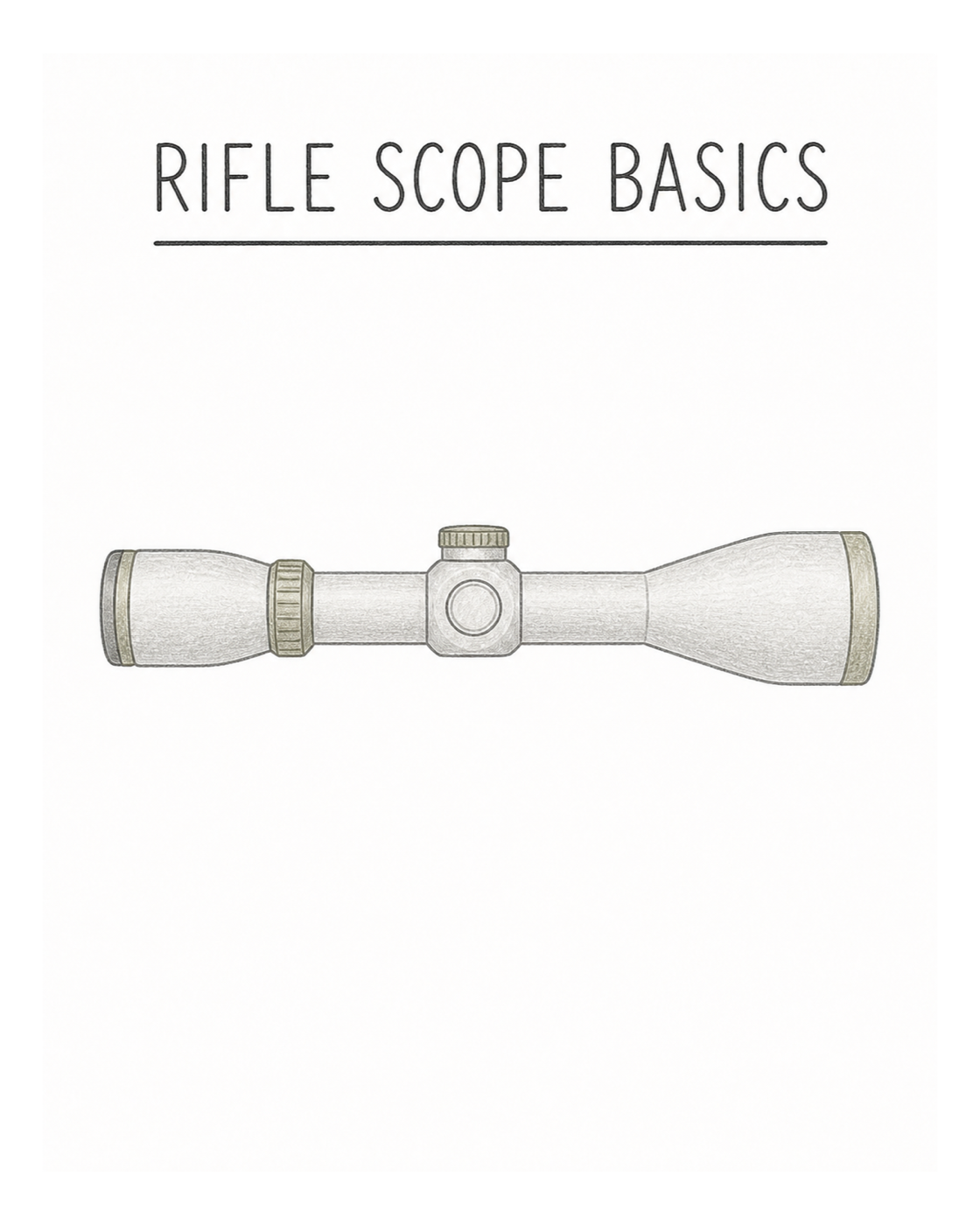
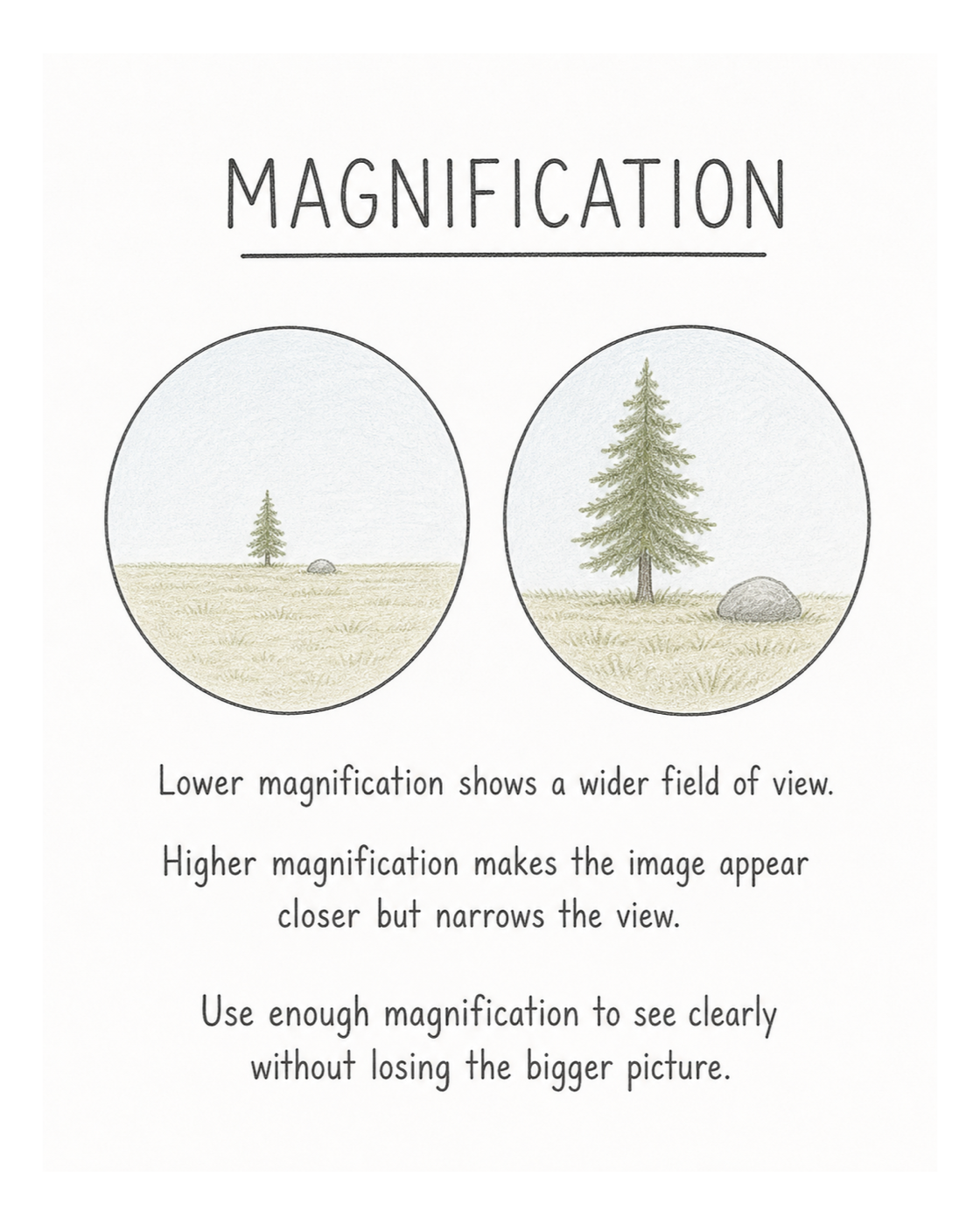
How to Read a Rifle Scope
What the numbers mean, which other specifications matter, and how to make sense of your first hunting optic.
 Hunter Education
What an Ammunition Box Tells You
A beginner’s guide to cartridge names, bullet weight, shotshell markings, and the information worth checking on factory ammunition.
 Fieldcraft
A Beginner’s Scouting Notebook
Five observations worth recording every time you walk a piece of hunting country.