NM / Upland Birds
New Mexico
Upland Birds.
A practical guide to New Mexico quail, dusky grouse, pheasant, and squirrel, with licenses, pheasant draw permits, Open Gate, dogs, identification, and safety.
Official upland birds page ↗01 / Overview
Start with the shape of the hunt.
New Mexico offers Gambel's, scaled, Montezuma, and bobwhite quail, dusky grouse, pheasant, and protected game squirrels across very different habitats.
The annual Game Hunting license provides the base privilege for upland game and squirrels, while selected pheasant properties require a draw permit and land rules vary.
Upland hunting builds habitat reading, access, walking, safe gun handling, identification, retrieval, dog care, and useful field notes.
02 / Opportunity
Is this a good state for this hunt?
Quail and squirrel can provide repeatable opportunity, but drought, habitat, private land, fire, weather, and access can shift birds sharply.
Pheasant is localized and selected properties use a late-summer permit draw.
A dog is useful but not required; water, foot care, snake planning, muzzle control, identification, and conservative shots matter more.
04 / Planning strategy
Choose one species and learn its country.
Pick a bird or squirrel with legal habitat close enough to scout, hunt, take notes, and return.
Build short routes around food, water, escape cover, tracks, droppings, calls, weather, permission, Open Gate terms, and pressure.
Practice muzzle control, identification, partner spacing, retrieval, hydration, heat and cold management, and dog safety before adding distance.
05 / Seasons
Learn the categories. Check the dates.
New Mexico publishes upland birds opportunity through the exact license, permit, hunt code, GMU or management zone, legal animal, sporting arm, dates, eligibility, and land status. Those details can change between license years.
Use the current digital rules book and corrections, issued license or permit, official map, live harvest-limit or closure table, property documents, and controlling land manager for authoritative dates, boundaries, methods, access, and reporting duties.
Open the current official digest ↗06 / Habitat
Where they live.
Desert scrub and grassland
Seed, cover, water, washes, roads, homes, heat, and snakes shape Gambel's and scaled quail.
Oak and mountain forest
Acorns, berries, springs, elevation, snow, fire, and identification matter for Montezuma quail, grouse, and squirrels.
Farm and Open Gate
Crops, shelter, enrolled boundaries, private parcels, roads, homes, pressure, and pheasant permits dominate.
07 / Methods
Match the method to the exact hunt.
Walk-up hunting
Plan legal routes, safe partner spacing, ready positions, target identification, and retrieval.
Hunting with a dog
Condition the dog, carry water and first aid, and plan for heat, cold, snakes, roads, traps, and porcupines.
Patient squirrel hunting
Identify the complete animal, wait for a safe backstop, and track every shot.
Current legal methods, ammunition rules, and hunt-specific restrictions come from CDFW and the applicable land manager.
08 / Beginner strategy
If I wanted to start, what would I actually do?
- 01
Read the current New Mexico rules
Begin with the current official rules and species source for upland birds. Write down every license, validation, permit, hunt code, GMU, date, legal animal, sporting arm, limit, closure, and report.
Official resource ↗ - 02
Confirm how the opportunity is issued
Determine whether the hunt uses the random draw, over-the-counter sale, private-land authorization, EPLUS ranch code, draw permit, live harvest limit, military access, or another exact pathway.
- 03
Prove the land status
Confirm GMU boundaries, public parcels, State Trust and WMA authority, tribal rules, Open Gate terms, EPLUS or unitized ranch status, written private permission, roads, vehicles, fire, camping, and closures.
- 04
Scout the actual constraints
Record exact species, permit, calls, sign, food, water, cover, weather, ownership, Open Gate terms, roads, pressure, dog hazards, snakes, and retrieval.
- 05
Practice the complete sequence
Practice identification, muzzle control, loading and unloading, partner zones, moving shots inside your skill, retrieval, dog safety, possession, and field care.
- 06
Tag, inspect, and report on time
Recheck current rules before hunting, validate the carcass tag or E-Tag correctly, preserve required evidence, follow CWD and transport rules, complete any inspection or pelt tagging, and file every mandatory report by its controlling deadline.
09 / Current information
Official resources.
Official current big-game, turkey, upland, migratory-bird, furbearer, license, access, tagging, and reporting rules.
Official source ↗New Mexico big-game drawOfficial application dates, prerequisites, choices, payment, results, reporting eligibility, and population-management options.
Official source ↗New Mexico Open GateOfficial enrolled private-land access properties, maps, species, terms, and current expiration dates.
Official source ↗New Mexico hunting lands and mapsOfficial GMU, public, state trust, private-land program, Open Gate, and species planning maps.
Keep learning
Useful before a upland birds hunt.
Existing Sportsman’s Illustrated lessons are connected by slug, so this section can grow without duplicating article content.
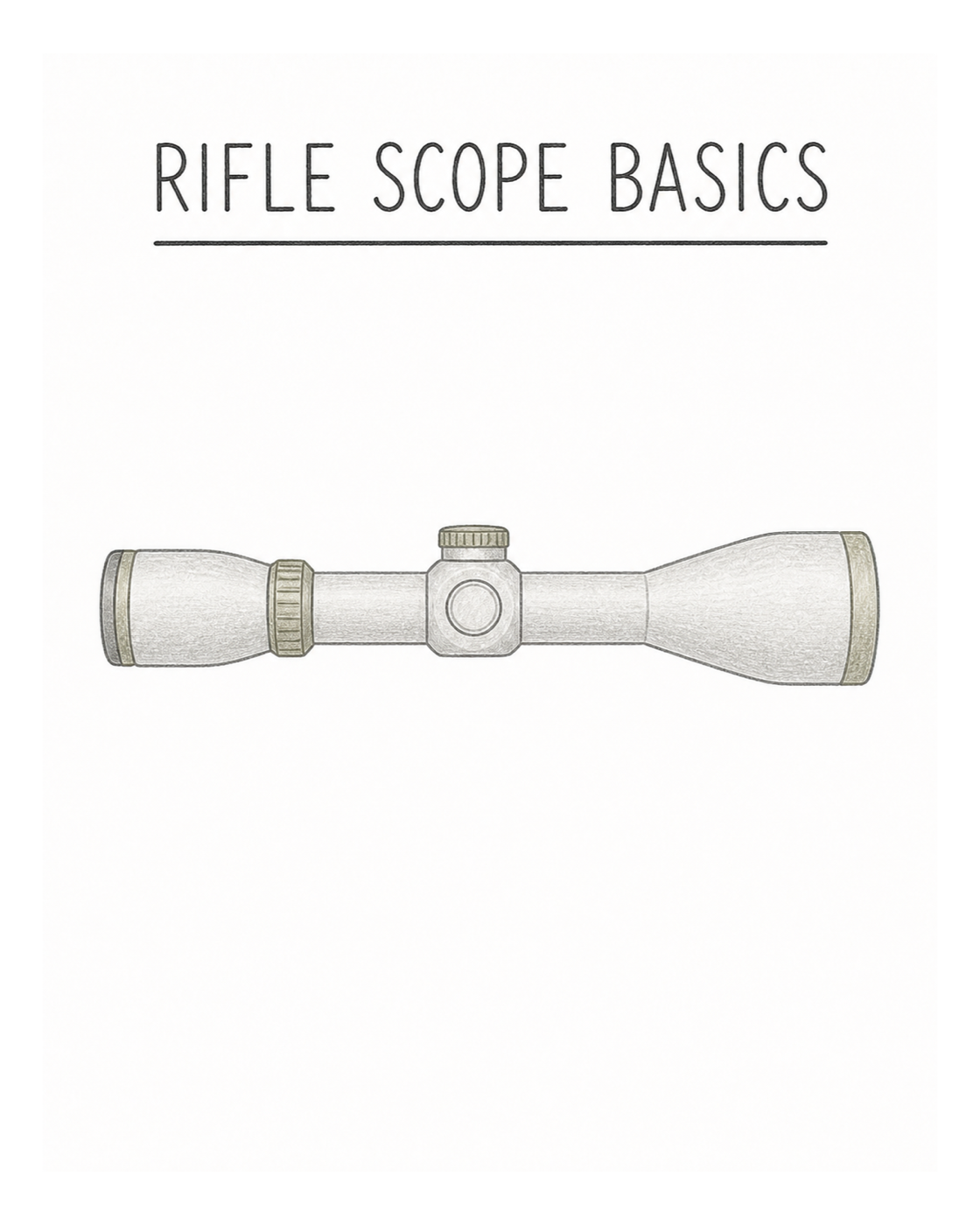 Rifle Hunting
How to Read a Rifle Scope
What the numbers mean, which other specifications matter, and how to make sense of your first hunting optic.
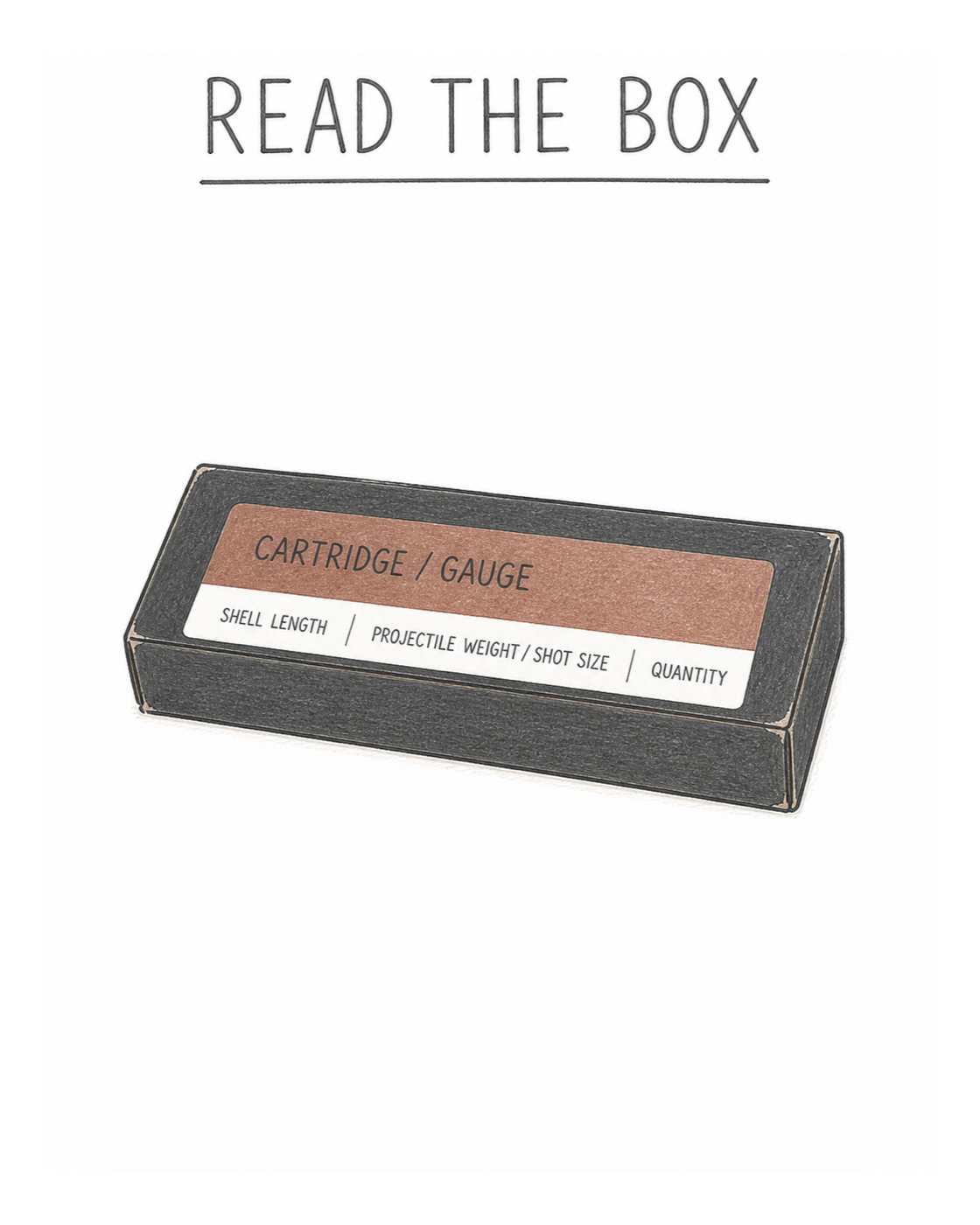 Hunter Education
What an Ammunition Box Tells You
A beginner’s guide to cartridge names, bullet weight, shotshell markings, and the information worth checking on factory ammunition.
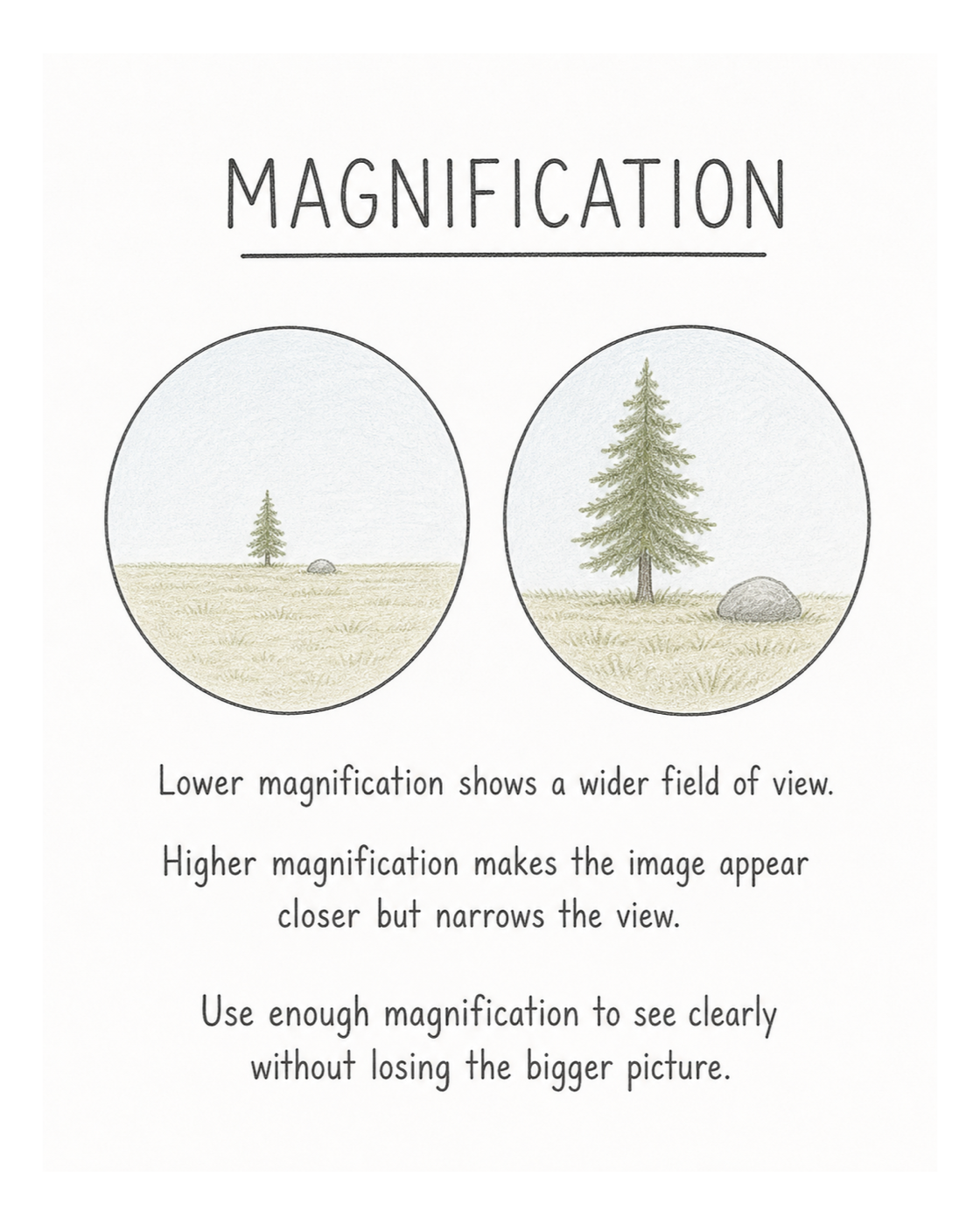 Fieldcraft
A Beginner’s Scouting Notebook
Five observations worth recording every time you walk a piece of hunting country.