OR / Big Game
Oregon
Bighorn Sheep.
A realistic guide to Oregon bighorn sheep applications, equal-chance once-in-a-lifetime tags, rugged access, orientation, identification, check-in, and recovery.
Official bighorn sheep page ↗01 / Overview
Start with the shape of the hunt.
Oregon manages California and Rocky Mountain bighorn sheep in scattered desert, canyon, and mountain herds. Tags are extremely limited and highly specialized.
Sheep drawings do not use preference points. Eligible applicants enter the current equal-chance process, and a successful tag is a once-in-a-lifetime responsibility.
This is a long-term application dream, not a practical first hunt. Fitness, access, field judgment, orientation, identification, and check-in planning should begin before an application is submitted.
02 / Opportunity
Is this a good state for this hunt?
Drawing odds are low because very few tags are available and every eligible applicant competes without a preference-point advantage.
Some hunt areas involve steep canyon, river, desert, remote road, or private-access problems that can exceed the challenge of finding sheep.
Apply only if you are ready to reorganize time, training, scouting, help, and logistics around a once-in-a-lifetime tag.
04 / Planning strategy
Apply only if you can honor the tag.
Research the exact hunt area before listing it, including terrain, river or road access, private land, season weather, physical demands, sheep identification, and available help.
Maintain fitness, mountain movement, glassing, shooting-angle judgment, navigation, and recovery skills through annual attainable hunts.
If drawn, contact ODFW immediately, attend every required or recommended orientation, scout repeatedly, and build conservative identification and recovery plans with backups.
05 / Seasons
Learn the categories. Check the dates.
Oregon bighorn sheep seasons are published by hunt number, herd or area, dates, legal animal, and special conditions in current big-game material.
Use the issued tag, orientation, field office, current regulations, access managers, and current closure information as the authority.
Open the current official digest ↗06 / Habitat
Where they live.
Desert rim and canyon
Water, escape terrain, heat, roads, river access, glassing angles, and private parcels can define California bighorn hunts.
Northeast mountain country
Steep slopes, cliffs, weather, elevation, long approaches, and animal identification shape Rocky Mountain sheep hunts.
Access corridors
A visible sheep may still be separated by private land, water, cliffs, closed roads, or a recovery route that changes the decision.
07 / Methods
Match the method to the exact hunt.
Long observation
Confirm legal animal, sex, species or subspecies, angle, terrain, other sheep, and recovery route before moving closer.
Deliberate stalk
Use wind, terrain, time, safe footing, and alternate exits instead of forcing a route through dangerous ground.
Conservative shot
Steep angles, wind, distance, animal position, and cliffs must all remain inside proven ability.
Current legal methods, ammunition rules, and hunt-specific restrictions come from CDFW and the applicable land manager.
08 / Beginner strategy
If I wanted to start, what would I actually do?
- 01
Read the current ODFW material
Start with ODFW’s current page and regulation entry for bighorn sheep. Record the exact license, tag, validation, hunt number, area, season, method, and reporting rules.
Official resource ↗ - 02
Confirm the opportunity path
Determine whether the hunt is general, controlled, limited by a quota, or requires a tag, permit, validation, HIP survey, stamp, reservation, check-in, or other current authorization.
- 03
Prove access and boundaries
Confirm the exact hunt area or property, legal entry, private boundaries, land-manager rules, travel management, fire closures, road conditions, and a backup route.
- 04
Scout the real constraints
Record legal animals, group composition, water, escape terrain, glassing points, access corridors, private boundaries, river or road needs, weather, safe stalks, recovery routes, and field-office logistics.
- 05
Practice the complete field sequence
Practice fitness, steep-angle shooting, identification, long glassing, navigation, weather decisions, restraint, tag validation, safe recovery, check-in, transport, and reporting.
- 06
Recheck, tag, and report
Immediately before hunting, recheck regulations, weather, fire, roads, access, equipment, and documents. Validate any harvest correctly and complete every required outcome report or checkout afterward.
09 / Current information
Official resources.
Official draw, once-in-a-lifetime, orientation, access, fitness, and check-in guidance.
Official source ↗Oregon controlled hunt navigationOfficial controlled-hunt series, applications, choices, preference-point draw, maps, and premium-hunt guidance.
Official source ↗Current Oregon hunting regulationsOfficial hub for current big-game, game-bird, and furbearer regulation publications and updates.
Official source ↗ODFW hunting access mapsOfficial wildlife management, deer hunt area, wildlife area, Access and Habitat, and travel-management maps.
Official source ↗Oregon big-game harvest statisticsOfficial current and historical big-game harvest reports by species and hunt.
Official source ↗Oregon legal hunting methodsOfficial overview of species-specific weapon and ammunition restrictions with links to current regulations.
Official source ↗Report your Oregon huntOfficial mandatory reporting duties, account process, information required, and current deadlines.
Keep learning
Useful before a bighorn sheep hunt.
Existing Sportsman’s Illustrated lessons are connected by slug, so this section can grow without duplicating article content.
 Rifle Hunting
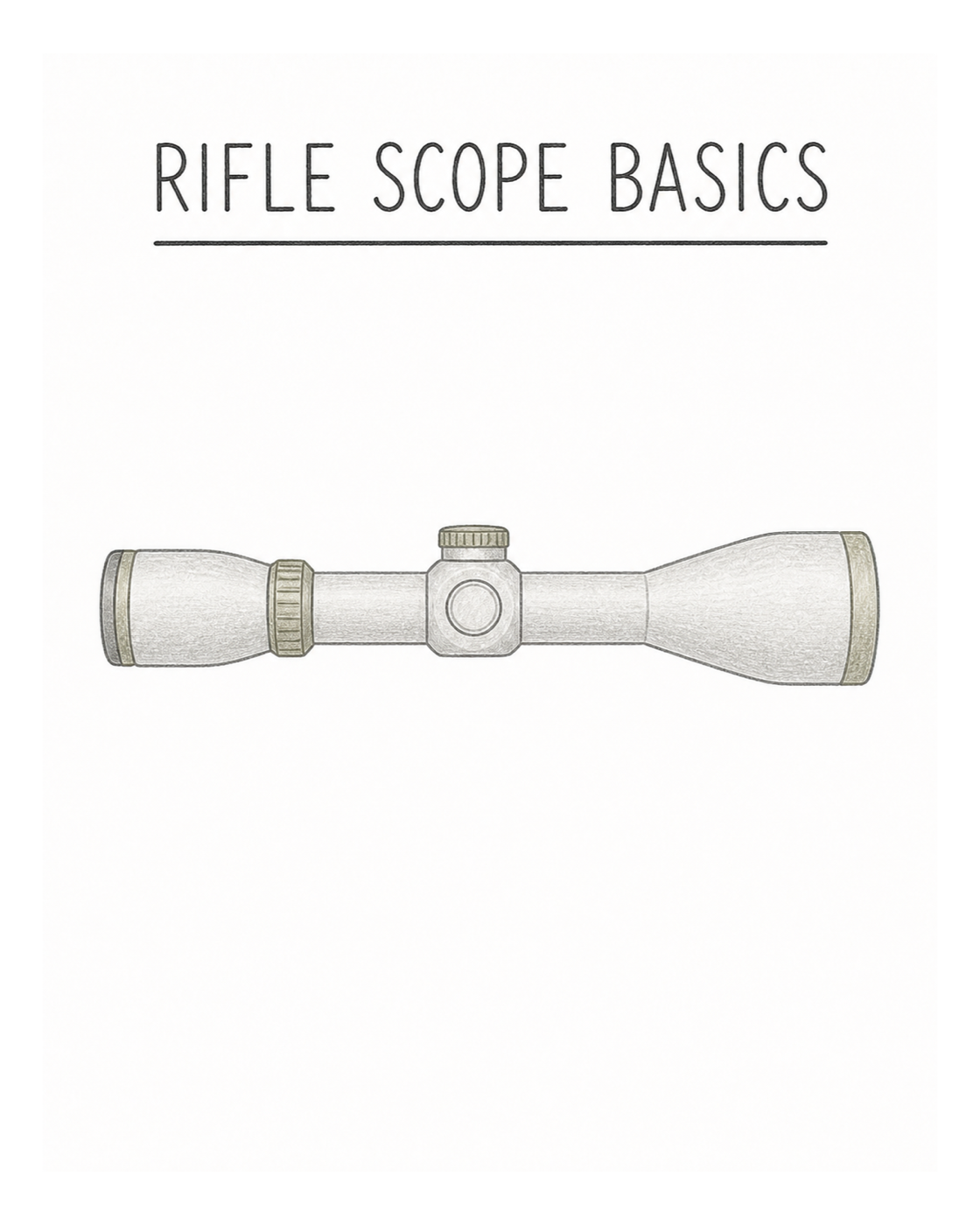
How to Read a Rifle Scope
What the numbers mean, which other specifications matter, and how to make sense of your first hunting optic.
 Hunter Education
What an Ammunition Box Tells You
A beginner’s guide to cartridge names, bullet weight, shotshell markings, and the information worth checking on factory ammunition.
 Fieldcraft
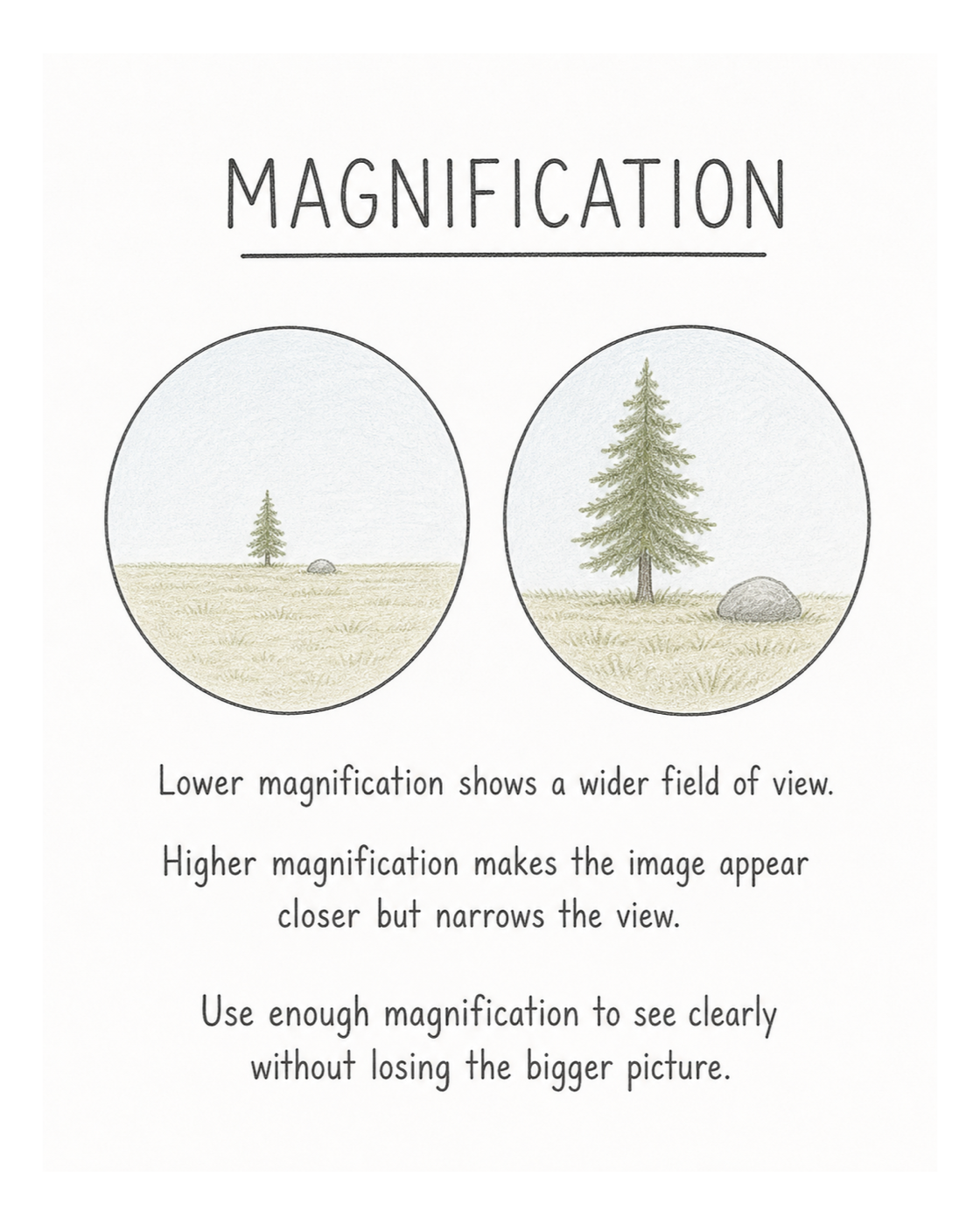
A Beginner’s Scouting Notebook
Five observations worth recording every time you walk a piece of hunting country.