OR / Big Game
Oregon
Cougar.
A sober guide to Oregon cougar tags, zone quotas, legal methods, identification, low encounter rates, tracking, reporting, and realistic expectations.
Official cougar page ↗01 / Overview
Start with the shape of the hunt.
Cougars occupy suitable habitat across Oregon but are secretive, wide-ranging, and rarely seen. A legal tag does not make them an easy or predictable hunt.
Oregon cougar hunting is tied to current zones, quotas, season status, a tag, legal methods, harvest validation, check-in, and reporting requirements.
Most beginners should treat cougar as a specialized long-term pursuit or an incidental legal opportunity while hunting other species, never as a guaranteed encounter.
02 / Opportunity
Is this a good state for this hunt?
Tags may be broadly obtainable, but biological success is difficult because cats occur at low density and move over large home ranges.
Zone closure status, legal methods, snow, private land, road access, identification, and a rapid check-in plan all matter.
A beginner needs realistic expectations, strong track identification, disciplined restraint, and a current rule check before carrying a tag.
04 / Planning strategy
Treat fresh evidence as rare and valuable.
Learn tracks, gait, scrapes, kills, travel corridors, and the difference between cougar sign and common dog, coyote, or bobcat sign.
Use fresh snow, current reports, ungulate concentration, and legal access to narrow country, but avoid turning weak sign into certainty.
Carry the tag only with a plan for positive identification, safe shot selection, rapid recovery, zone verification, and required check-in.
05 / Seasons
Learn the categories. Check the dates.
Cougar seasons and zone quotas are published and updated through current ODFW material. A zone may not remain open simply because a printed season date has not passed.
Use current regulations, quota status, legal-method guidance, and issued documents immediately before each outing.
Open the current official digest ↗06 / Habitat
Where they live.
Forest and canyon travel
Ridgelines, saddles, canyon bottoms, timber edges, game trails, and ungulate winter range can create travel routes.
Snow country
Fresh snow may reveal tracks, but road safety, closures, weather, and rapid changes can limit follow-up.
Human and private-land edge
Livestock, pets, roads, homes, and private property demand conservative identification and access decisions.
07 / Methods
Match the method to the exact hunt.
Track-based hunting
Confirm freshness, species, legal access, direction, weather, and your ability to follow without trespass.
Calling where legal
Use safe setup, visibility, positive identification, and readiness for other predators or people.
Incidental opportunity
When carrying a valid tag during another hunt, never let surprise replace complete identification and legal verification.
Current legal methods, ammunition rules, and hunt-specific restrictions come from CDFW and the applicable land manager.
08 / Beginner strategy
If I wanted to start, what would I actually do?
- 01
Read the current ODFW material
Start with ODFW’s current page and regulation entry for cougar. Record the exact license, tag, validation, hunt number, area, season, method, and reporting rules.
Official resource ↗ - 02
Confirm the opportunity path
Determine whether the hunt is general, controlled, limited by a quota, or requires a tag, permit, validation, HIP survey, stamp, reservation, check-in, or other current authorization.
- 03
Prove access and boundaries
Confirm the exact hunt area or property, legal entry, private boundaries, land-manager rules, travel management, fire closures, road conditions, and a backup route.
- 04
Scout the real constraints
Record exact track measurements, gait, freshness, snow or soil conditions, scrapes, kills, ungulate use, travel corridors, roads, ownership, zone status, and safe setup locations.
- 05
Practice the complete field sequence
Practice track identification, restraint, safe calling setup, rapid target identification, field positions, follow-up, tag validation, check-in, transport, and reporting.
- 06
Recheck, tag, and report
Immediately before hunting, recheck regulations, weather, fire, roads, access, equipment, and documents. Validate any harvest correctly and complete every required outcome report or checkout afterward.
09 / Current information
Official resources.
Official big-game planning, licensing, regulations, statistics, and learning resources.
Official source ↗Current Oregon hunting regulationsOfficial hub for current big-game, game-bird, and furbearer regulation publications and updates.
Official source ↗Oregon legal hunting methodsOfficial overview of species-specific weapon and ammunition restrictions with links to current regulations.
Official source ↗ODFW hunting access mapsOfficial wildlife management, deer hunt area, wildlife area, Access and Habitat, and travel-management maps.
Official source ↗Oregon big-game harvest statisticsOfficial current and historical big-game harvest reports by species and hunt.
Official source ↗Report your Oregon huntOfficial mandatory reporting duties, account process, information required, and current deadlines.
Official source ↗How to buy an Oregon license or tagOfficial directions for MyODFW accounts, licenses, tags, permits, paper documents, and electronic documents.
Keep learning
Useful before a cougar hunt.
Existing Sportsman’s Illustrated lessons are connected by slug, so this section can grow without duplicating article content.
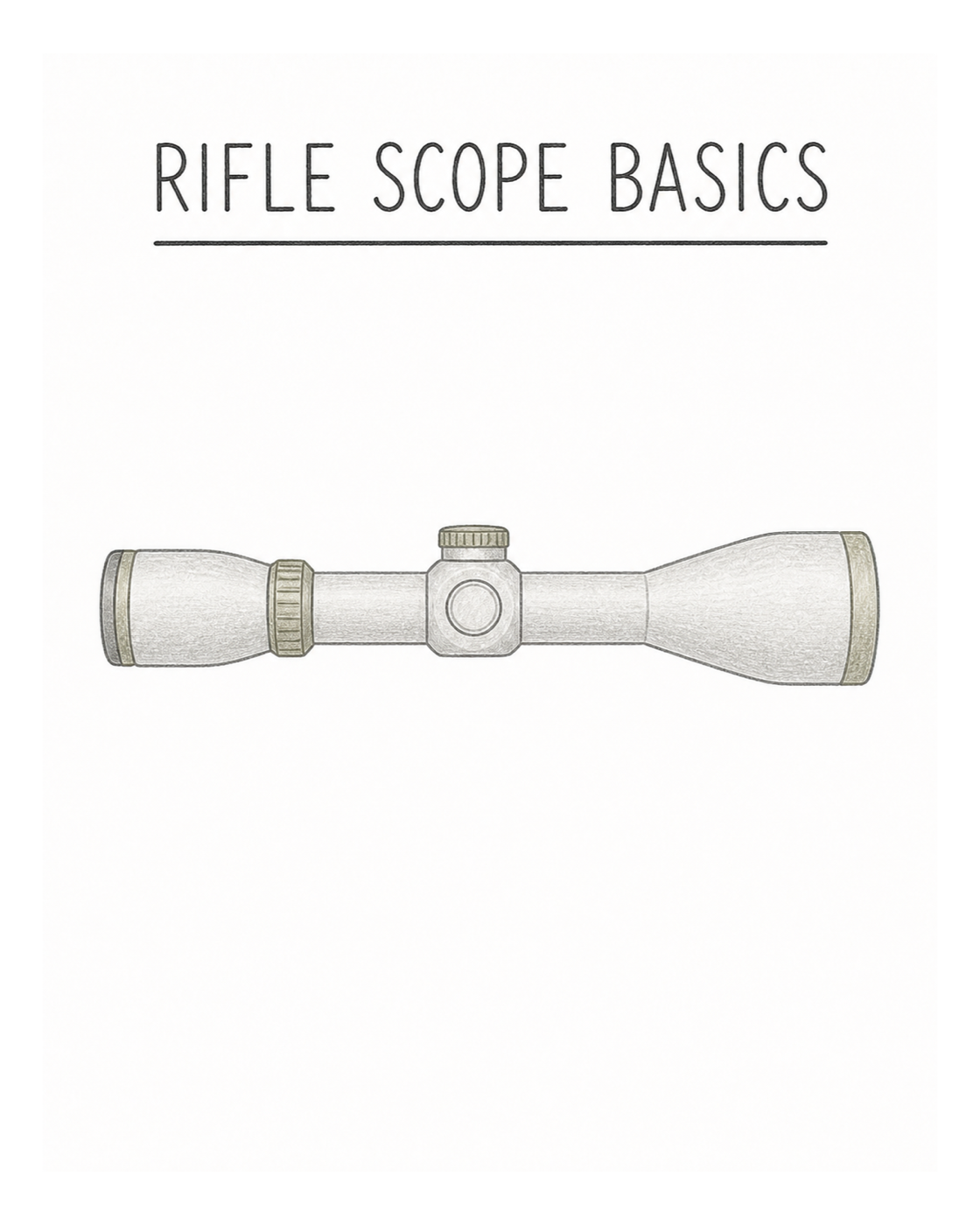 Rifle Hunting
How to Read a Rifle Scope
What the numbers mean, which other specifications matter, and how to make sense of your first hunting optic.
 Hunter Education
What an Ammunition Box Tells You
A beginner’s guide to cartridge names, bullet weight, shotshell markings, and the information worth checking on factory ammunition.
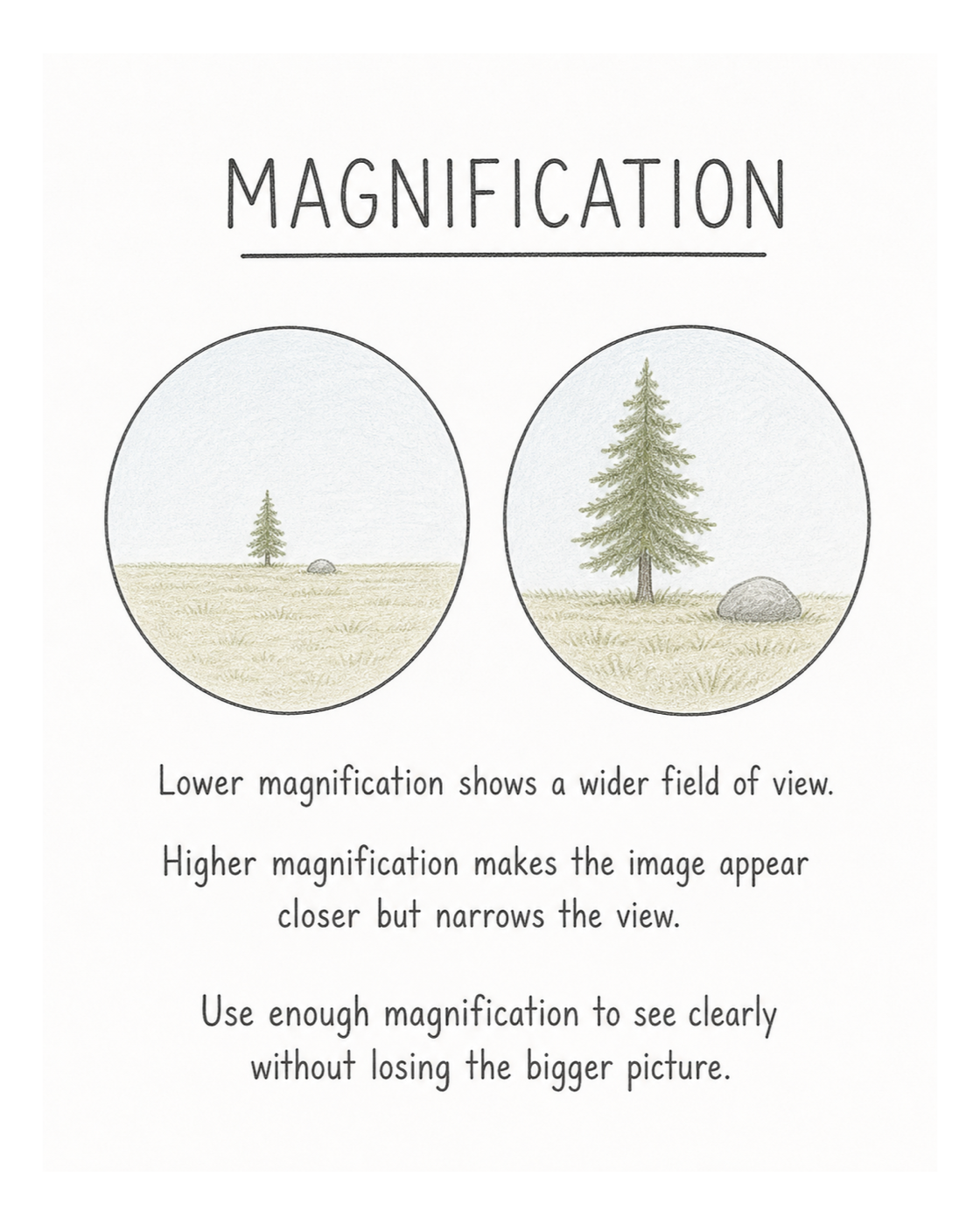 Fieldcraft
A Beginner’s Scouting Notebook
Five observations worth recording every time you walk a piece of hunting country.