OR / Big Game
Oregon
Deer.
A practical guide to Oregon black-tailed, mule, and white-tailed deer, general and controlled tags, hunt areas, preference points, access, habitat, and reporting.
Official deer page ↗01 / Overview
Start with the shape of the hunt.
Oregon deer hunting changes dramatically across the state. Black-tailed deer occupy western forests and brush, mule deer use central and eastern country, and white-tailed deer occur in portions of the northeast and Columbia Basin.
The exact tag can be general or controlled and can depend on hunt series, hunt number, area, sex, method, and eligibility. Eastern Oregon deer boundaries and structures deserve especially careful current-year review.
A beginner should choose a hunt area close enough to scout and learn whether the real challenge is visibility, access, pressure, migration, fire, or private land before judging it by reputation.
02 / Opportunity
Is this a good state for this hunt?
Oregon offers both general and controlled deer paths, but availability differs by region, method, residency, and the current regulation year.
Western deer country can be physically close but visually difficult. Eastern country may be easier to glass yet harder in distance, water, fire, roads, and private inholdings.
Deer can be a realistic Oregon first big-game hunt when the hunter understands the exact tag, scouts repeatedly, limits shot distance, and plans full recovery and reporting.
04 / Planning strategy
Build points without giving up field time.
Separate a current-year hunting plan from a longer-term controlled-hunt goal. A general or otherwise obtainable tag can build Oregon experience while points remain attached to a controlled-hunt series.
Compare access, habitat, method, season timing, previous demand, harvest information, fire exposure, and your ability to scout before choosing a first controlled hunt.
Once the tag is set, reduce the area to several legal, repeatable routes with fresh sign, safe shooting lanes, and a workable pack-out instead of trying to cover the whole state map.
05 / Seasons
Learn the categories. Check the dates.
Oregon deer seasons are organized by tag, hunt number, hunt area or unit, legal animal, method, and eligibility. General and controlled structures can exist in the same species system.
Use the current big-game regulations, controlled-hunt navigation, maps, and issued tag for exact dates, boundaries, weapon rules, and conditions.
Open the current official digest ↗06 / Habitat
Where they live.
Coast and western forest
Clearcuts, burns, brush edges, timber, reprod, creek systems, roads, wind, and private industrial land shape black-tailed deer access and visibility.
Central and eastern mule deer country
Sagebrush, juniper, mountain shrub, timber edge, burns, agriculture, water, migration, and fire history shape deer use across larger areas.
Northeast and valley whitetail pockets
Riparian cover, agriculture, timber edges, ownership, and species identification matter where white-tailed deer occur.
07 / Methods
Match the method to the exact hunt.
Any legal weapon
Build stable field positions and conservative range limits for the exact legal equipment and hunt area.
Archery
Treat wind, close-range access, shot angle, tracking, and dense-cover recovery as primary skills.
Muzzleloader and special hunts
Confirm the exact equipment, projectile, season, area, and eligibility rules rather than generalizing from another deer tag.
Current legal methods, ammunition rules, and hunt-specific restrictions come from CDFW and the applicable land manager.
08 / Beginner strategy
If I wanted to start, what would I actually do?
- 01
Read the current ODFW material
Start with ODFW’s current page and regulation entry for deer. Record the exact license, tag, validation, hunt number, area, season, method, and reporting rules.
Official resource ↗ - 02
Confirm the opportunity path
Determine whether the hunt is general, controlled, limited by a quota, or requires a tag, permit, validation, HIP survey, stamp, reservation, check-in, or other current authorization.
- 03
Prove access and boundaries
Confirm the exact hunt area or property, legal entry, private boundaries, land-manager rules, travel management, fire closures, road conditions, and a backup route.
- 04
Scout the real constraints
Record the exact boundary, ownership, legal entry, roads, clearcuts or openings, food, water, bedding cover, fresh sign, glassing points, wind, pressure, fire, and recovery route.
- 05
Practice the complete field sequence
Practice identification, navigation, field positions, range restraint, follow-up, marking the location, tag validation, complete recovery, meat care, transport, and outcome reporting.
- 06
Recheck, tag, and report
Immediately before hunting, recheck regulations, weather, fire, roads, access, equipment, and documents. Validate any harvest correctly and complete every required outcome report or checkout afterward.
09 / Current information
Official resources.
Official deer and elk planning, access, tagging, reporting, and field-care guidance.
Official source ↗Oregon controlled hunt navigationOfficial controlled-hunt series, applications, choices, preference-point draw, maps, and premium-hunt guidance.
Official source ↗Oregon preference pointsOfficial explanation of point series, point savers, first choices, parties, and leftover tags.
Official source ↗ODFW hunting access mapsOfficial wildlife management, deer hunt area, wildlife area, Access and Habitat, and travel-management maps.
Official source ↗Oregon big-game harvest statisticsOfficial current and historical big-game harvest reports by species and hunt.
Official source ↗Oregon legal hunting methodsOfficial overview of species-specific weapon and ammunition restrictions with links to current regulations.
Official source ↗Report your Oregon huntOfficial mandatory reporting duties, account process, information required, and current deadlines.
Official source ↗Current Oregon hunting regulationsOfficial hub for current big-game, game-bird, and furbearer regulation publications and updates.
Keep learning
Useful before a deer hunt.
Existing Sportsman’s Illustrated lessons are connected by slug, so this section can grow without duplicating article content.
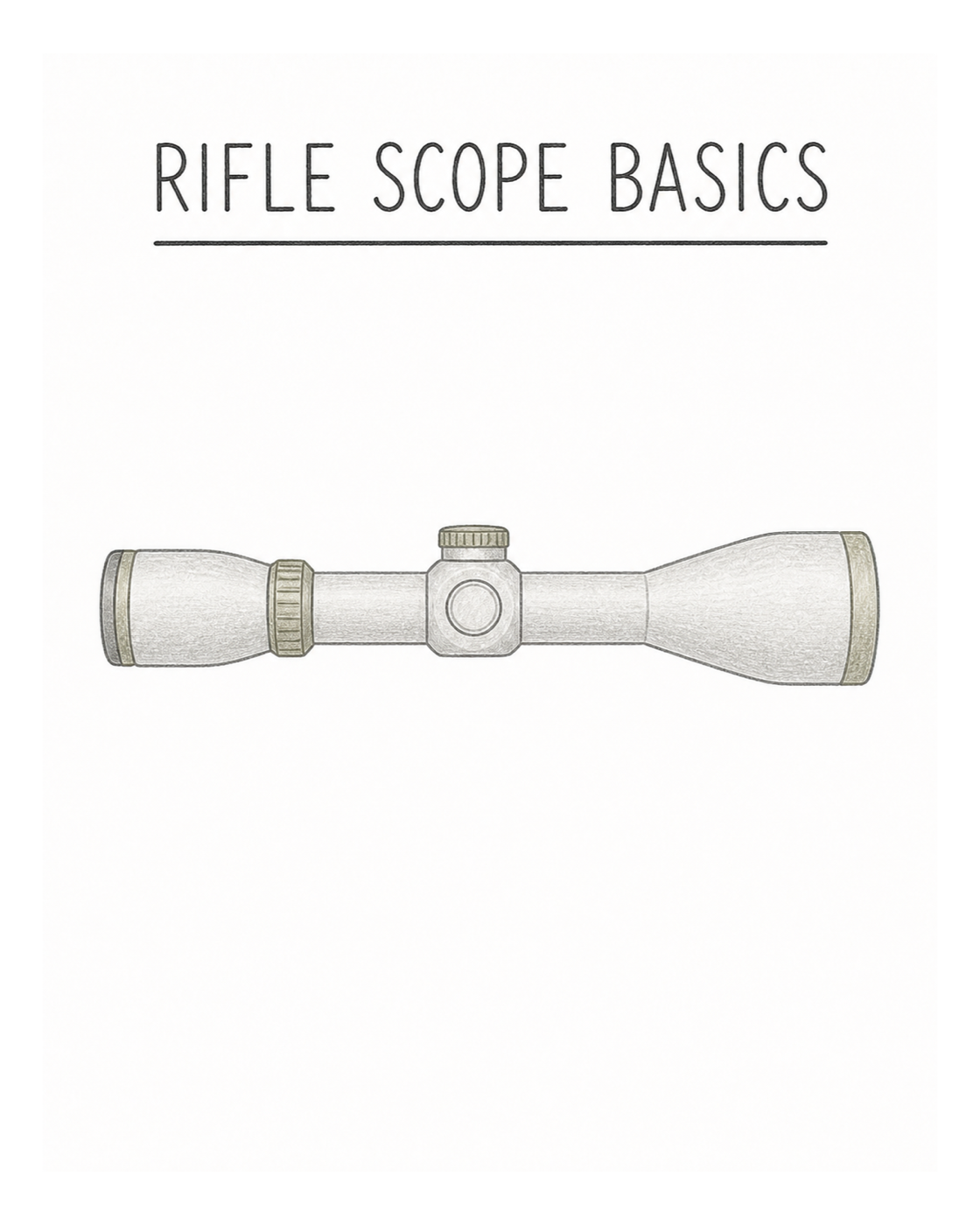 Rifle Hunting
How to Read a Rifle Scope
What the numbers mean, which other specifications matter, and how to make sense of your first hunting optic.
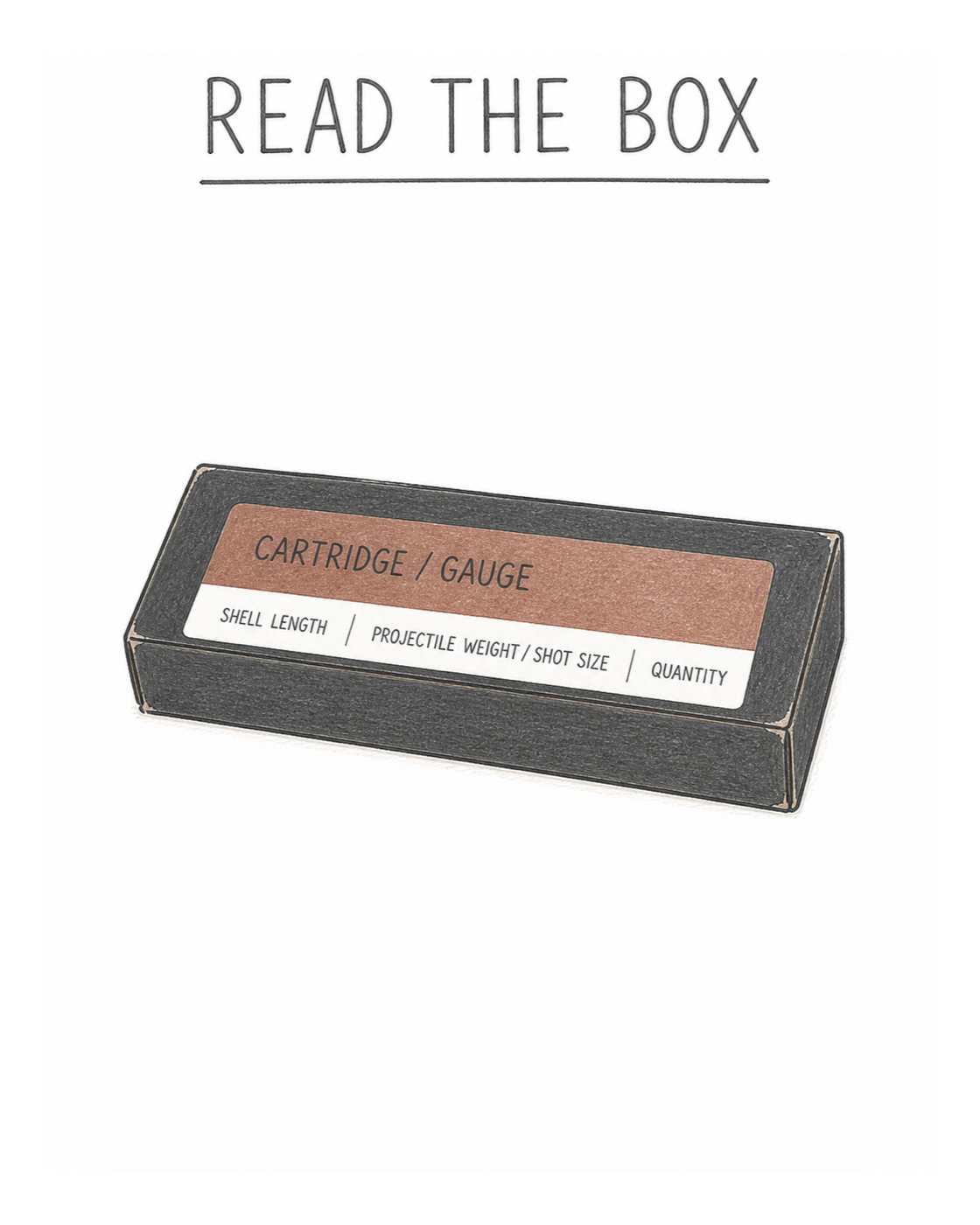 Hunter Education
What an Ammunition Box Tells You
A beginner’s guide to cartridge names, bullet weight, shotshell markings, and the information worth checking on factory ammunition.
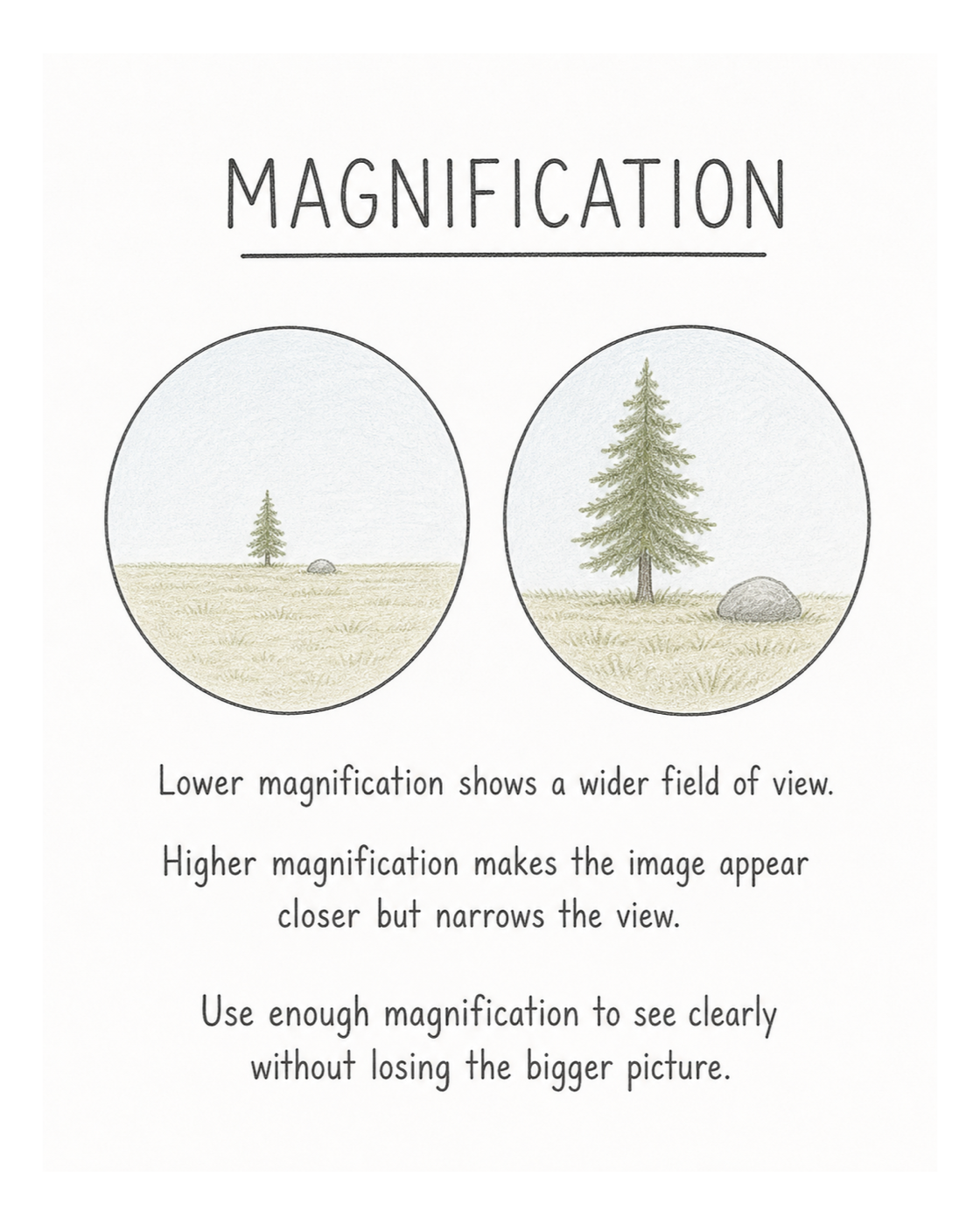 Fieldcraft
A Beginner’s Scouting Notebook
Five observations worth recording every time you walk a piece of hunting country.