OR / Big Game
Oregon
Elk.
A clear guide to Oregon Roosevelt and Rocky Mountain elk, general and controlled structures, preference points, forest and open-country habitat, access, scouting, and pack-out logistics.
Official elk page ↗01 / Overview
Start with the shape of the hunt.
Roosevelt elk occupy western Oregon’s wet forests and timberlands while Rocky Mountain elk range through the Cascades and eastern Oregon’s forests, meadows, canyons, and sagebrush edges.
Oregon elk hunting combines general and controlled opportunity, with hunt series, hunt numbers, areas, methods, and tag conditions that must be read together.
Finding elk is only part of the work. A responsible plan includes access, pressure, physical conditioning, animal identification, shot limits, and moving a large animal before the first day afield.
02 / Opportunity
Is this a good state for this hunt?
Tag accessibility varies widely by hunt, region, method, residency, and current regulation structure. A broad statewide label cannot tell you whether a particular elk hunt is realistic.
Western timber can offer short visibility, steep wet ground, and private industrial boundaries. Eastern hunts add distance, fire, travel management, water, and changing herd distribution.
Elk can be a serious first big-game goal when a beginner has experienced help, a legal access plan, proven shooting, and enough people and time for recovery.
04 / Planning strategy
Choose the pack-out before the application.
Start with country you can reach and scout, then compare general or controlled status, season timing, method, access, fire, terrain, pressure, statistics, and recovery difficulty.
Use annual bird, deer, or small-game outings to learn Oregon roads, land boundaries, navigation, weather, and camping while a controlled elk goal develops.
If you have a tag, identify several small hunt areas around current forage, bedding security, water, travel routes, pressure, and a route capable of handling a full pack-out.
05 / Seasons
Learn the categories. Check the dates.
Oregon publishes elk opportunity by tag type, hunt number or area, legal animal, season, method, and eligibility. Those details can change.
The current big-game regulations, controlled-hunt resources, maps, issued tag, and land-manager restrictions control the hunt.
Open the current official digest ↗06 / Habitat
Where they live.
Coastal and western timber
Clearcuts, reprod, creek bottoms, benches, mature cover, private timber access, wind, and road pressure shape Roosevelt elk hunting.
Cascade forest and meadow
Burns, openings, north slopes, wallows, water, snow, roads, and seasonal forage can shift elk use.
Eastern forest, canyon, and sage edge
Timber islands, grass, agriculture, migration, water, travel management, and private land can spread herds across large country.
07 / Methods
Match the method to the exact hunt.
Any legal weapon
Practice field positions, target identification, safe backstops, shot angles, and recovery within the exact hunt rules.
Archery
Calling is only one tool. Wind, approach routes, concealment, close-range shooting, tracking, and meat care matter more.
Muzzleloader and specialty hunts
Treat legal equipment, dates, boundaries, animal restrictions, and access as a separate hunt system.
Current legal methods, ammunition rules, and hunt-specific restrictions come from CDFW and the applicable land manager.
08 / Beginner strategy
If I wanted to start, what would I actually do?
- 01
Read the current ODFW material
Start with ODFW’s current page and regulation entry for elk. Record the exact license, tag, validation, hunt number, area, season, method, and reporting rules.
Official resource ↗ - 02
Confirm the opportunity path
Determine whether the hunt is general, controlled, limited by a quota, or requires a tag, permit, validation, HIP survey, stamp, reservation, check-in, or other current authorization.
- 03
Prove access and boundaries
Confirm the exact hunt area or property, legal entry, private boundaries, land-manager rules, travel management, fire closures, road conditions, and a backup route.
- 04
Scout the real constraints
Record ownership, travel management, roads, forage, bedding cover, water, wallows, tracks, droppings, rubs, glassing or listening points, fire, weather, pressure, and pack-out time.
- 05
Practice the complete field sequence
Practice navigation, conditioning, shooting after exertion, range restraint, follow-up, tag validation, breakdown, clean meat handling, load planning, transport, and reporting.
- 06
Recheck, tag, and report
Immediately before hunting, recheck regulations, weather, fire, roads, access, equipment, and documents. Validate any harvest correctly and complete every required outcome report or checkout afterward.
09 / Current information
Official resources.
Official deer and elk planning, access, tagging, reporting, and field-care guidance.
Official source ↗Oregon controlled hunt navigationOfficial controlled-hunt series, applications, choices, preference-point draw, maps, and premium-hunt guidance.
Official source ↗Oregon preference pointsOfficial explanation of point series, point savers, first choices, parties, and leftover tags.
Official source ↗ODFW hunting access mapsOfficial wildlife management, deer hunt area, wildlife area, Access and Habitat, and travel-management maps.
Official source ↗Oregon big-game harvest statisticsOfficial current and historical big-game harvest reports by species and hunt.
Official source ↗Oregon legal hunting methodsOfficial overview of species-specific weapon and ammunition restrictions with links to current regulations.
Official source ↗Report your Oregon huntOfficial mandatory reporting duties, account process, information required, and current deadlines.
Official source ↗Current Oregon hunting regulationsOfficial hub for current big-game, game-bird, and furbearer regulation publications and updates.
Keep learning
Useful before a elk hunt.
Existing Sportsman’s Illustrated lessons are connected by slug, so this section can grow without duplicating article content.
 Rifle Hunting
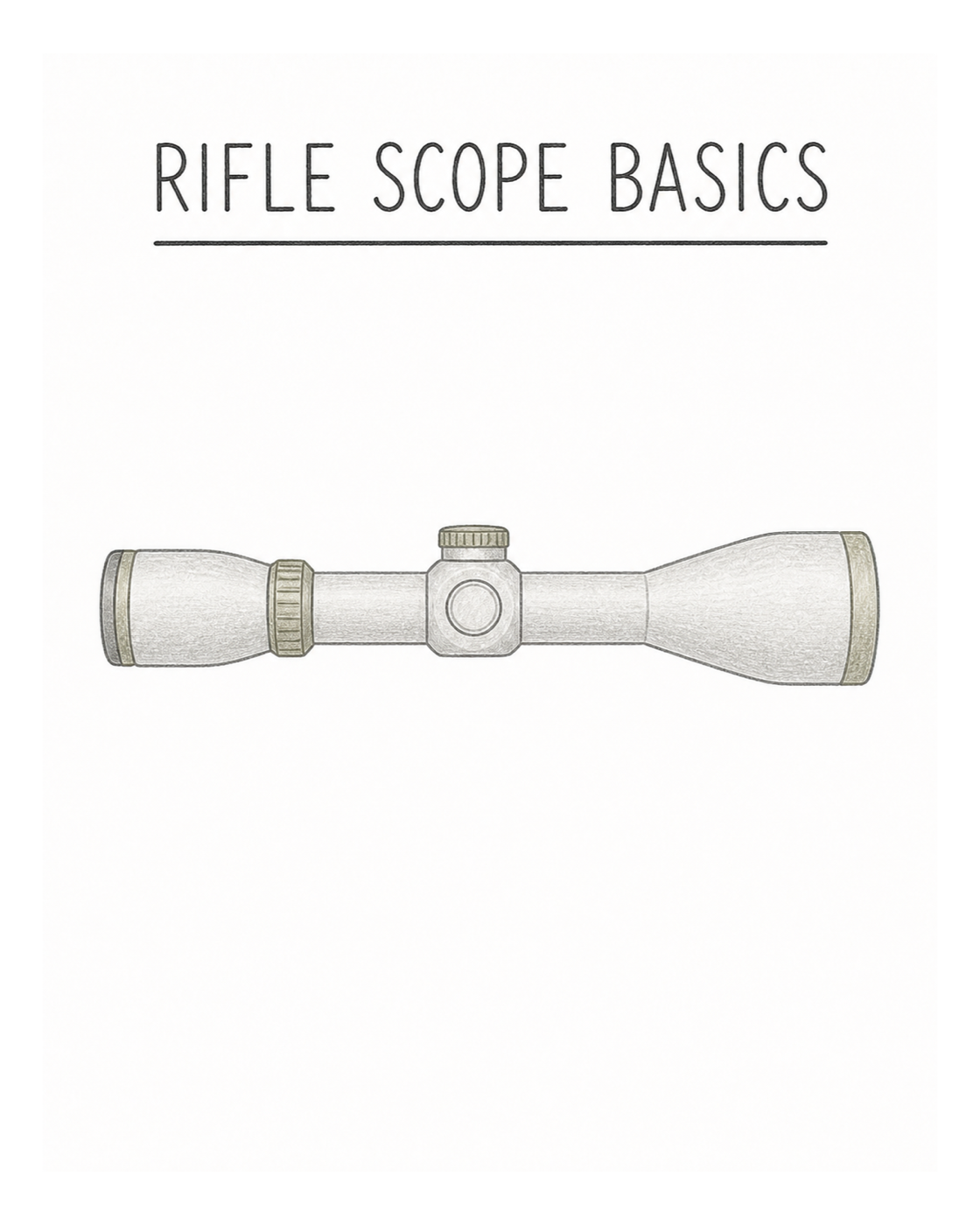
How to Read a Rifle Scope
What the numbers mean, which other specifications matter, and how to make sense of your first hunting optic.
 Hunter Education
What an Ammunition Box Tells You
A beginner’s guide to cartridge names, bullet weight, shotshell markings, and the information worth checking on factory ammunition.
 Fieldcraft
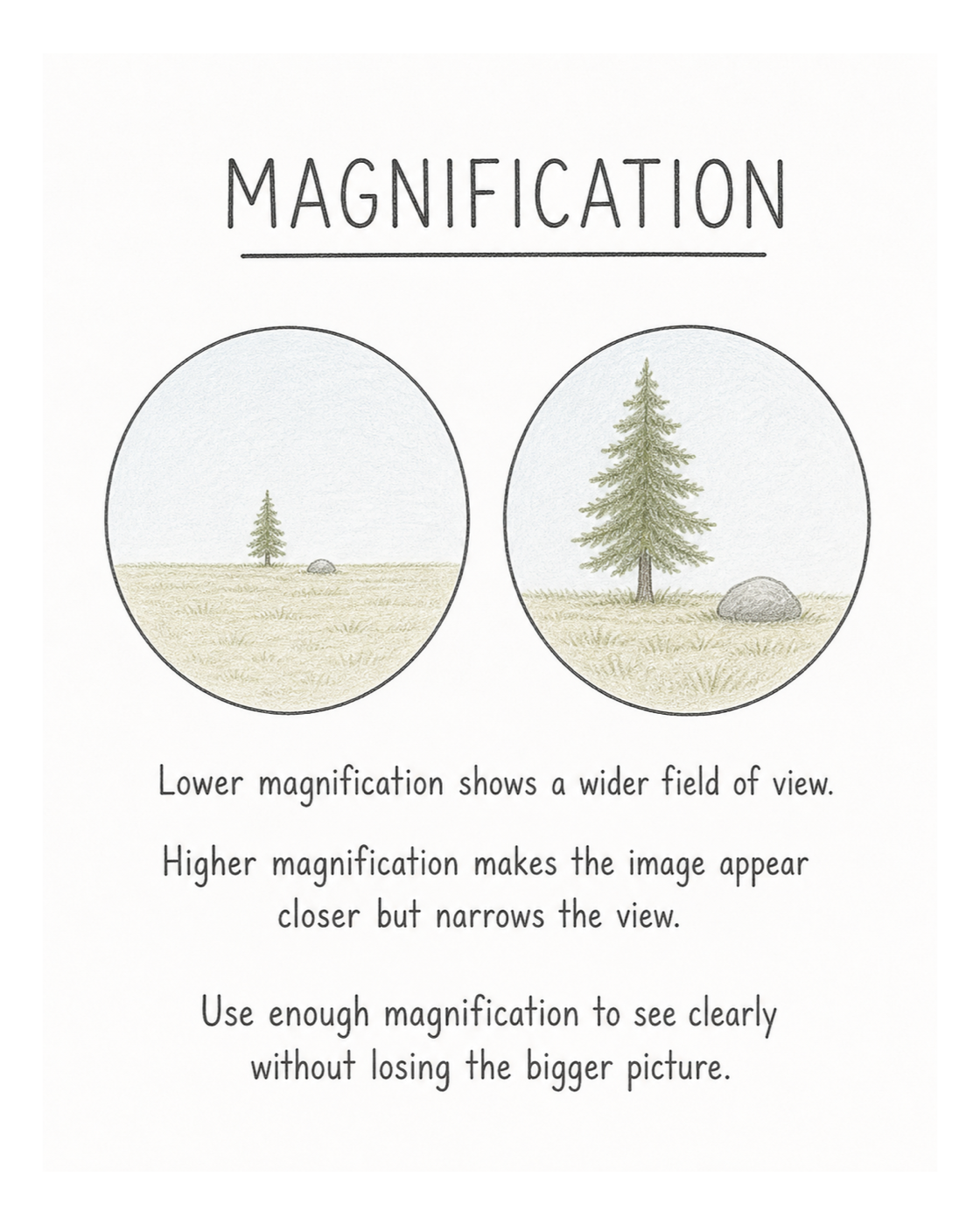
A Beginner’s Scouting Notebook
Five observations worth recording every time you walk a piece of hunting country.