OR / Big Game
Oregon
Mountain Goat.
A clear guide to Oregon mountain goat applications, equal-chance once-in-a-lifetime tags, high-country fitness, identification, orientation, check-in, and conservative recovery.
Official mountain goat page ↗01 / Overview
Start with the shape of the hunt.
Oregon mountain goats occupy limited, steep, high-elevation country. Tags are rare, the terrain is serious, and weather can change the hunt quickly.
The controlled drawing does not use preference points. Eligible applicants have an equal chance under current rules, and a drawn tag is once in a lifetime.
A mountain goat tag should be treated as a major expedition with a conservative plan for fitness, access, animal selection, shooting, recovery, orientation, and field-office duties.
02 / Opportunity
Is this a good state for this hunt?
The low tag supply makes drawing unlikely, while terrain and weather make the hunt demanding after a tag is issued.
A route that looks short on a map can include cliffs, loose rock, snow, exposure, long elevation gain, and no safe recovery line.
Apply only if you can commit time, physical preparation, scouting, support, and sound judgment to the exact hunt area.
04 / Planning strategy
Do not let the drawing outrun your preparation.
Research every listed hunt for elevation, route, weather, access, animal distribution, identification, pack-out, and available assistance before submitting choices.
Maintain high-country fitness, navigation, glassing, shooting-angle judgment, and emergency decision-making through attainable annual outings.
If drawn, contact ODFW, complete orientation, scout at multiple times, select conservatively, and create primary and backup recovery routes before hunting.
05 / Seasons
Learn the categories. Check the dates.
Oregon mountain goat hunts are published by hunt number, area, dates, legal animal, and special conditions in current big-game regulations.
Use current ODFW guidance, orientation, the issued tag, land-manager restrictions, and weather or closure information as controlling sources.
Open the current official digest ↗06 / Habitat
Where they live.
Alpine cliff and talus
Escape terrain, snow, loose rock, wind, visibility, and safe travel determine whether a position is huntable.
Subalpine basin and ridge
Forage, shade, water, weather, bedding shelves, and glassing angles can reveal goats without forcing dangerous movement.
The recovery route
Where an animal might fall is as important as where it stands. Terrain below the target can make an otherwise legal shot unacceptable.
07 / Methods
Match the method to the exact hunt.
Long glassing
Use repeated observation to confirm animal, location, approach, terrain below it, weather, and recovery feasibility.
High-country stalk
Move with margin for weather, footing, daylight, route-finding, and retreat rather than forcing a direct approach.
Conservative selection and shot
Confirm sex and age-class guidance, angle, wind, distance, other animals, and safe recovery before taking the shot.
Current legal methods, ammunition rules, and hunt-specific restrictions come from CDFW and the applicable land manager.
08 / Beginner strategy
If I wanted to start, what would I actually do?
- 01
Read the current ODFW material
Start with ODFW’s current page and regulation entry for mountain goat. Record the exact license, tag, validation, hunt number, area, season, method, and reporting rules.
Official resource ↗ - 02
Confirm the opportunity path
Determine whether the hunt is general, controlled, limited by a quota, or requires a tag, permit, validation, HIP survey, stamp, reservation, check-in, or other current authorization.
- 03
Prove access and boundaries
Confirm the exact hunt area or property, legal entry, private boundaries, land-manager rules, travel management, fire closures, road conditions, and a backup route.
- 04
Scout the real constraints
Record animals, sex and age indicators, elevation, route, cliffs, talus, snow, weather, glassing points, camps, water, escape terrain, recovery lines, turnaround times, and field-office logistics.
- 05
Practice the complete field sequence
Practice sustained climbing, high-angle shooting, identification, long glassing, navigation, weather decisions, restraint, tag validation, safe recovery, check-in, transport, and reporting.
- 06
Recheck, tag, and report
Immediately before hunting, recheck regulations, weather, fire, roads, access, equipment, and documents. Validate any harvest correctly and complete every required outcome report or checkout afterward.
09 / Current information
Official resources.
Official draw, once-in-a-lifetime, orientation, access, fitness, and check-in guidance.
Official source ↗Oregon controlled hunt navigationOfficial controlled-hunt series, applications, choices, preference-point draw, maps, and premium-hunt guidance.
Official source ↗Current Oregon hunting regulationsOfficial hub for current big-game, game-bird, and furbearer regulation publications and updates.
Official source ↗ODFW hunting access mapsOfficial wildlife management, deer hunt area, wildlife area, Access and Habitat, and travel-management maps.
Official source ↗Oregon big-game harvest statisticsOfficial current and historical big-game harvest reports by species and hunt.
Official source ↗Oregon legal hunting methodsOfficial overview of species-specific weapon and ammunition restrictions with links to current regulations.
Official source ↗Report your Oregon huntOfficial mandatory reporting duties, account process, information required, and current deadlines.
Keep learning
Useful before a mountain goat hunt.
Existing Sportsman’s Illustrated lessons are connected by slug, so this section can grow without duplicating article content.
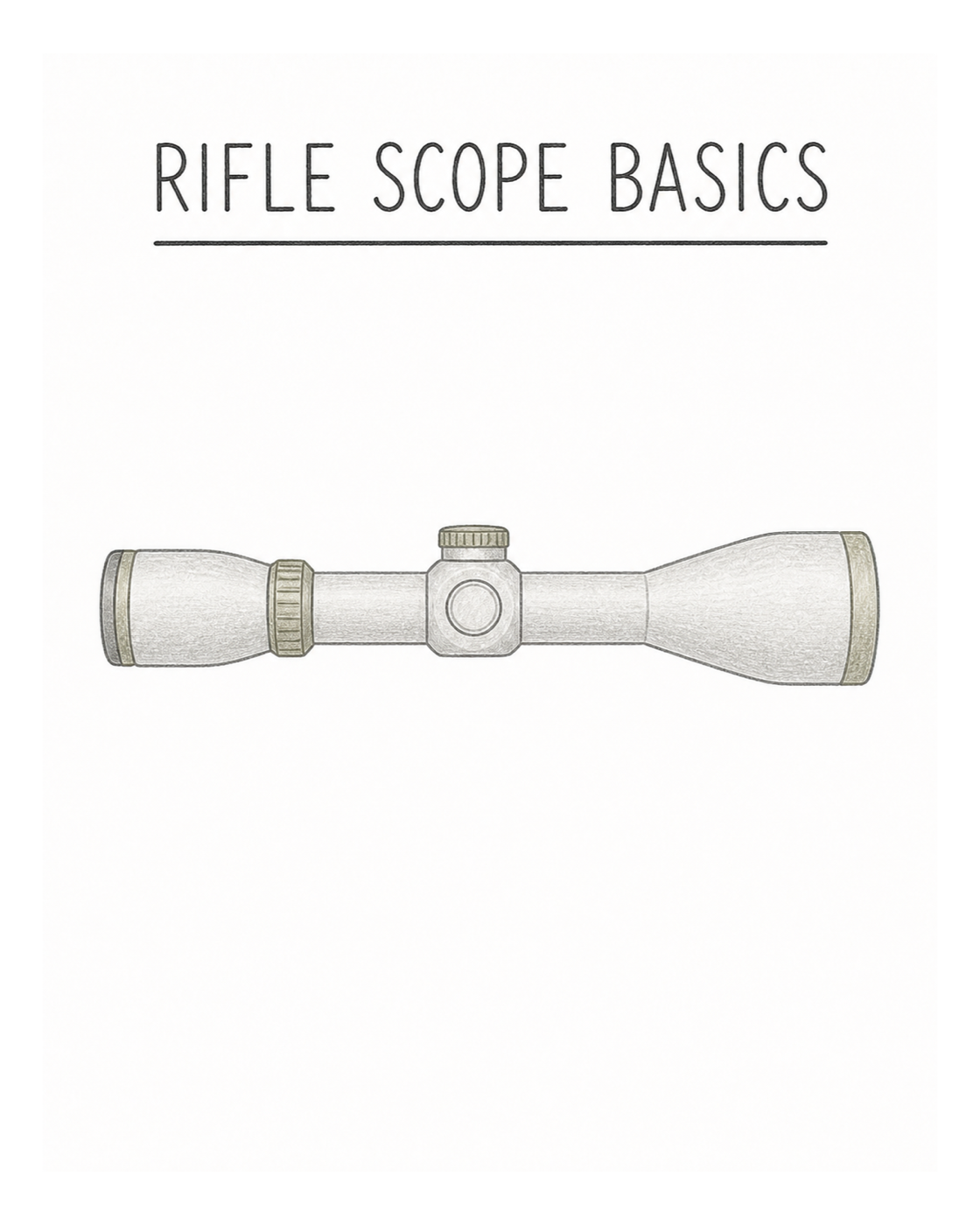 Rifle Hunting
How to Read a Rifle Scope
What the numbers mean, which other specifications matter, and how to make sense of your first hunting optic.
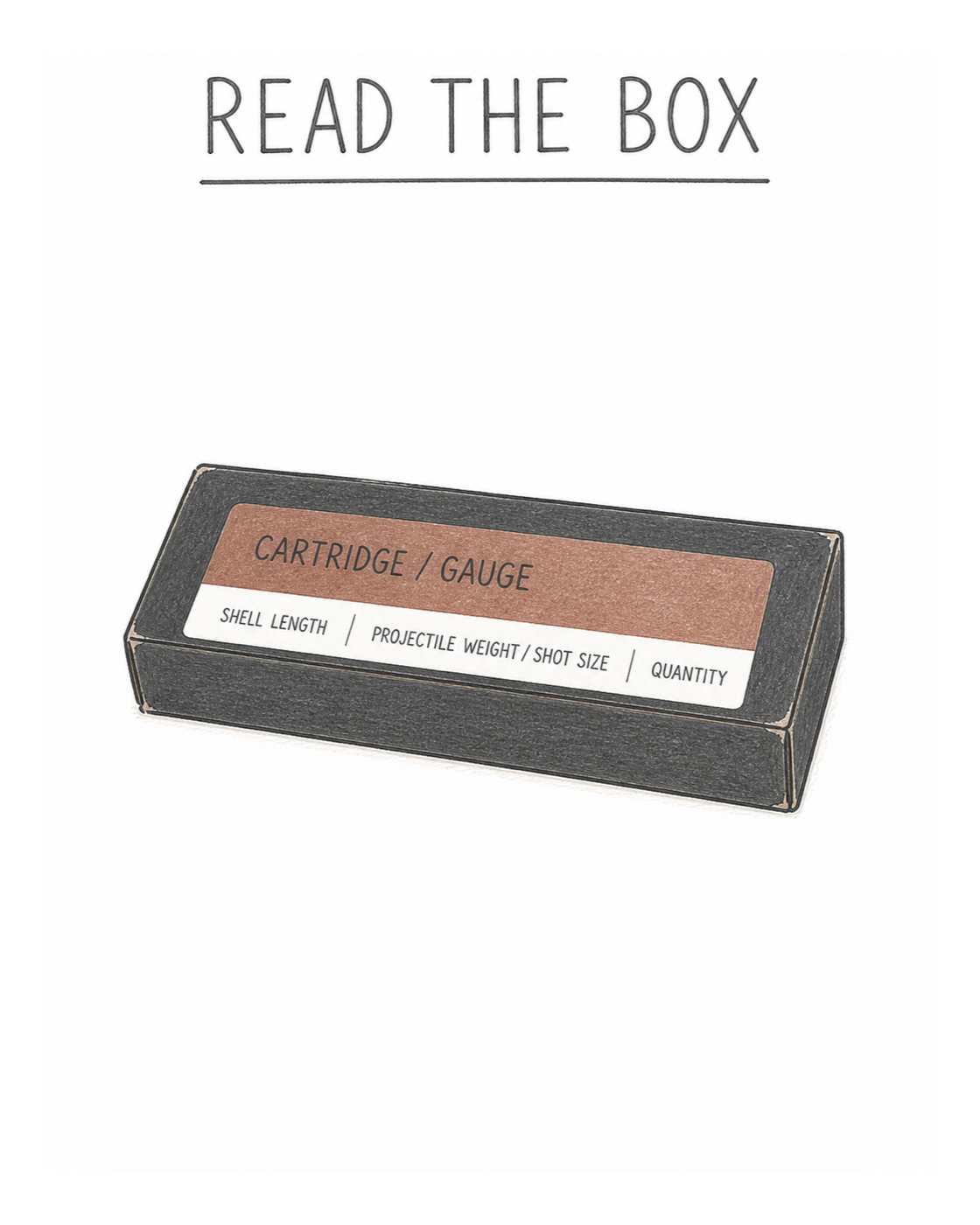 Hunter Education
What an Ammunition Box Tells You
A beginner’s guide to cartridge names, bullet weight, shotshell markings, and the information worth checking on factory ammunition.
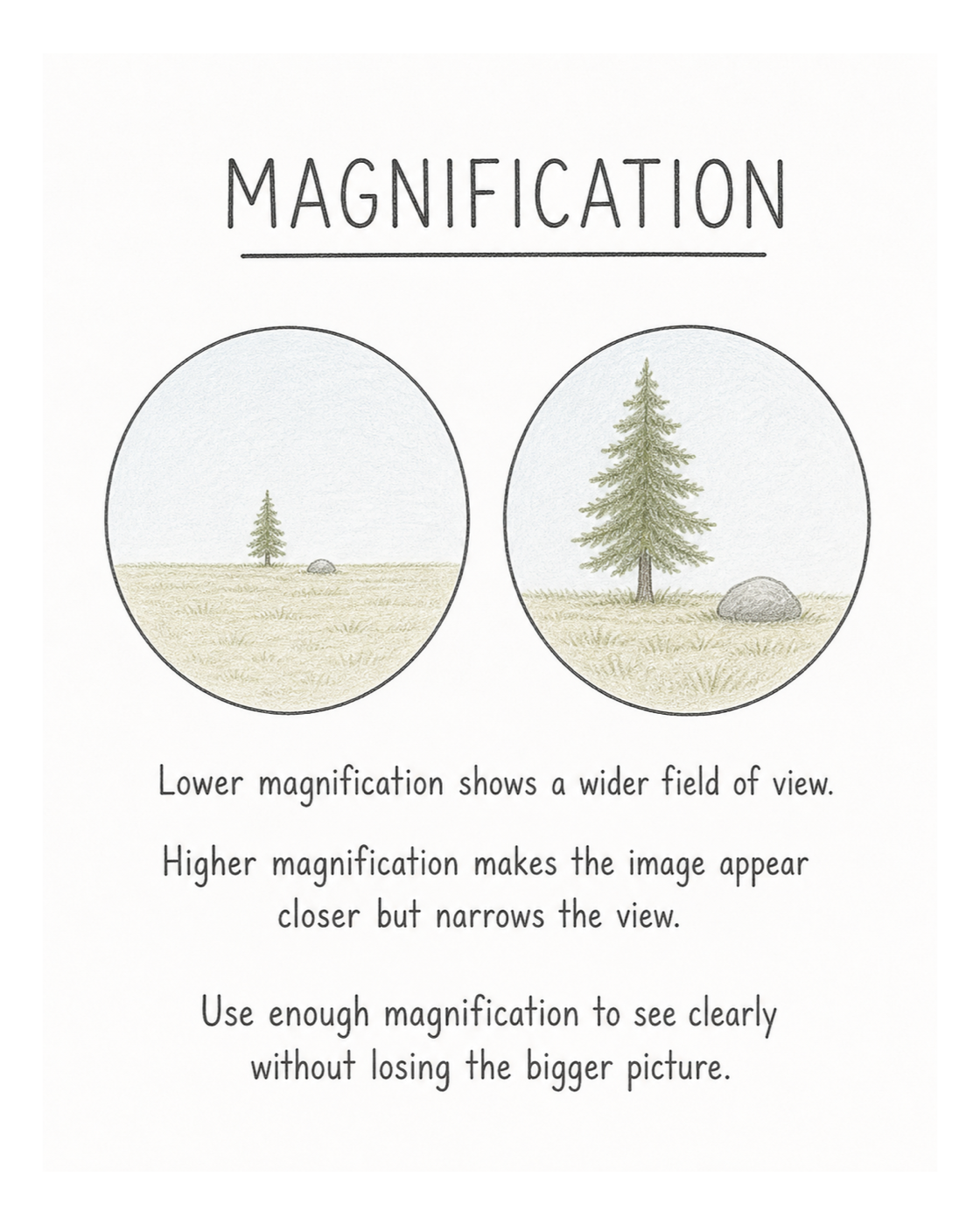 Fieldcraft
A Beginner’s Scouting Notebook
Five observations worth recording every time you walk a piece of hunting country.