UT / Big Game
Utah
Black Bear.
A safety-first guide to Utah limited-entry and harvest-objective black bear permits, orientation, live status, methods, check-in, and field care.
Official black bear page ↗01 / Overview
Start with the shape of the hunt.
Utah black bears use forest, oak, aspen, conifer, canyon, chaparral, riparian, and seasonal food pockets across many mountain units.
Opportunity includes limited-entry drawings and harvest-objective permits. Harvest-objective units can close as soon as the objective is met.
Orientation, positive identification, live unit status, method restrictions, 48-hour check-in, permanent tagging, recovery, and meat or pelt care are part of the hunt.
02 / Opportunity
Is this a good state for this hunt?
Harvest-objective permits may be obtainable, but live closures, low density, rugged cover, heat, and identification make the hunt specialized.
Limited-entry permits use bonus points and current hunt choices.
A first bear hunt is strongest with experienced help and strict rules for passing unclear bears or family groups.
04 / Planning strategy
Make orientation, identification, and live status the first checks.
Choose country you can revisit to study food, tracks, scat, visibility, access, and a safe recovery route.
Set conservative identification and shot rules before hunting and pass uncertain bears.
Save the live status and check-in resources, then plan cooling, evidence, appointment, and transport before leaving home.
05 / Seasons
Learn the categories. Check the dates.
Utah publishes black bear opportunity through the exact guidebook, permit or hunt number, unit, legal animal, method, season, and eligibility. Those details can change between cycles.
Use the current DWR guidebook and corrections, issued permit, Hunt Planner, live harvest status, and controlling land manager for authoritative dates, boundaries, methods, access, closures, and reporting duties.
Open the current official digest ↗06 / Habitat
Where they live.
Aspen and conifer mountain
Green-up, berries, insects, acorns, tanks, burns, and timber edge can concentrate bears.
Oak and chaparral canyon
Dense cover, steep slopes, changing mast, heat, and hard recovery demand restraint.
Riparian and agricultural edge
Water, fruit, shade, private land, homes, livestock, and other users can overlap bear activity.
07 / Methods
Match the method to the exact hunt.
Spot and stalk
Glass food-rich openings while maintaining patient identification and safe shot angles.
Bait where legal
Confirm current permit, unit, season, site, container, distance, marking, cleanup, and land rules.
Hounds where legal
Confirm unit, season, pursuit, dog, access, harvest, evidence, and check-in requirements.
Current legal methods, ammunition rules, and hunt-specific restrictions come from CDFW and the applicable land manager.
08 / Beginner strategy
If I wanted to start, what would I actually do?
- 01
Read the current Utah rules
Begin with the current official guidebook and hunt entry for black bear. Write down the license, permit, hunt number, unit, dates, legal animal, method, limit, and reporting requirements.
Official resource ↗ - 02
Confirm how the permit works
Determine whether the exact hunt uses preference points, bonus points, a general-season permit, remaining sale, over-the-counter sale, harvest objective, free permit, general license privilege, or another current authorization.
- 03
Prove the unit and access
Confirm the legal boundary, public and private parcels, Walk-in Access or WMA authorization, tribal land, roads, vehicles, fire restrictions, weather, closures, and a backup route.
- 04
Scout the real constraints
Record live unit status, boundaries, access, food, tracks, scat, hair, water, visibility, wind, roads, recovery distance, cooling, and check-in logistics.
- 05
Practice the complete sequence
Practice bear identification, patient observation, range restraint, follow-up, tag validation, recovery, cooling, evidence care, appointment, check-in, and transport.
- 06
Recheck, tag, check in, and report
Immediately before hunting, recheck current rules, access, weather, roads, live status, and documents. Afterward, complete every tag validation, report, physical check-in, permanent tag, sample, and transport duty on time.
09 / Current information
Official resources.
Official current bear, cougar, furbearer, trapping, possession, and check-in regulations.
Official source ↗Utah bear harvest-objective statusOfficial live harvest-objective unit status, quota, remaining harvest, dates, and method restrictions.
Official source ↗Utah Hunt PlannerOfficial unit boundaries, hunt details, terrain, public-land context, access points, and reporting information.
Official source ↗Utah harvest reportingOfficial mandatory big-game reporting, deadlines, physical check-in, and species-specific requirements.
Keep learning
Useful before a black bear hunt.
Existing Sportsman’s Illustrated lessons are connected by slug, so this section can grow without duplicating article content.
 Rifle Hunting
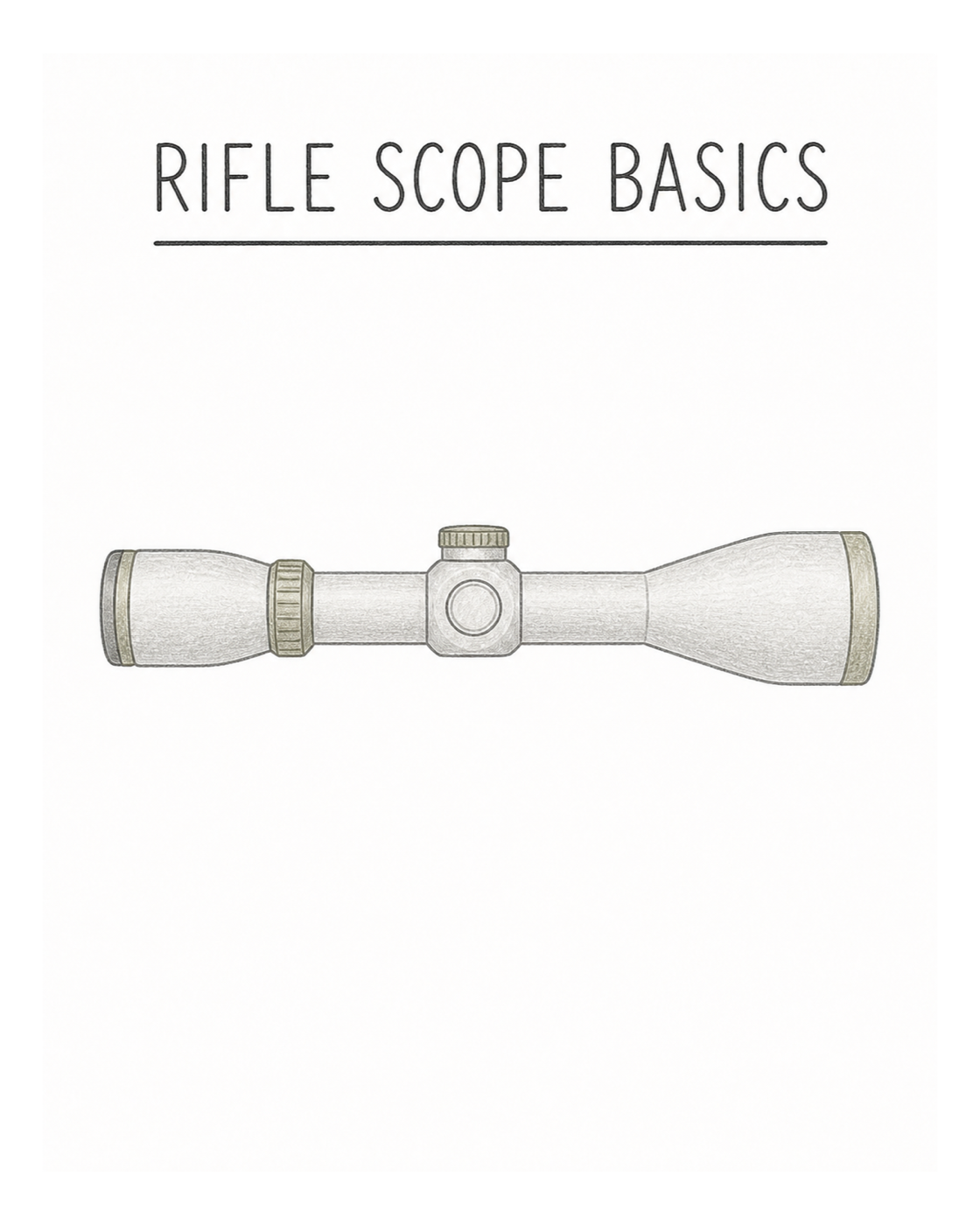
How to Read a Rifle Scope
What the numbers mean, which other specifications matter, and how to make sense of your first hunting optic.
 Hunter Education
What an Ammunition Box Tells You
A beginner’s guide to cartridge names, bullet weight, shotshell markings, and the information worth checking on factory ammunition.
 Fieldcraft
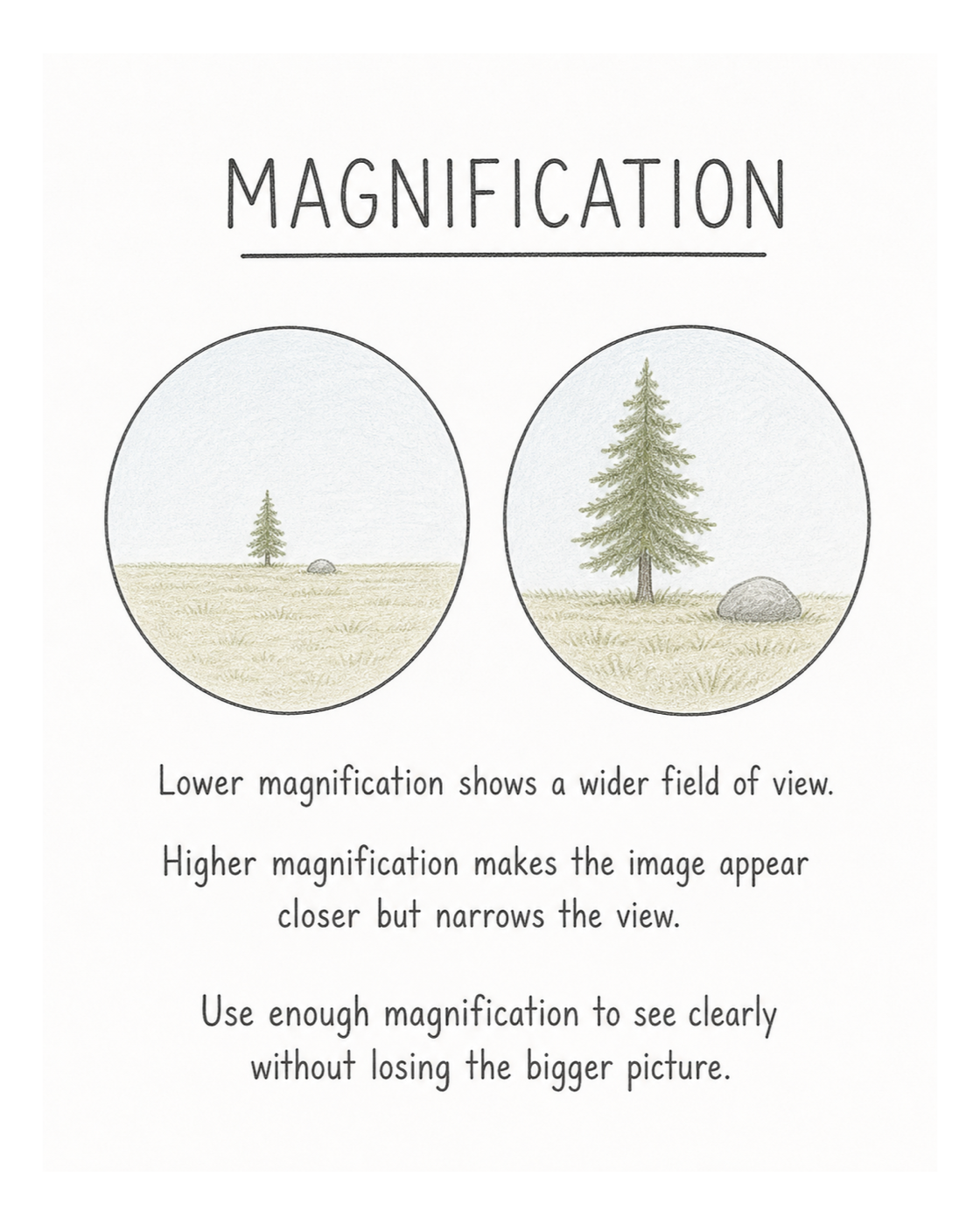
A Beginner’s Scouting Notebook
Five observations worth recording every time you walk a piece of hunting country.