UT / Other Opportunities
Utah
Feral Swine.
A verify-first guide to Utah feral swine under agriculture law, positive identification, landowner consent, legal methods, night restrictions, access, and reporting questions.
Official feral swine page ↗01 / Overview
Start with the shape of the hunt.
Feral swine are not classified or managed through Utah's normal big-game permit tables. Current take authority appears in Utah agriculture law.
Current statute allows an individual to kill feral swine year-round and in any number with specified weapons, requires landowner consent on private land, and restricts artificial light, night vision, and airborne methods.
Treat any sighting as a verify-first opportunity. Confirm the current law, animal ownership, land status, county rules, legal method, disease precautions, possession, transport, and any requested report with Utah DWR and the Department of Agriculture before pursuit.
02 / Opportunity
Is this a good state for this hunt?
This is not presented as a dependable statewide hunt or a substitute for an established game-season table.
Ear tags or other ownership markings, private-land consent, county night rules, local discharge law, and property access can decide the outcome.
The useful beginner action is current agency confirmation and positive identification rather than transferring pig rules from another state.
04 / Planning strategy
Verify first and never build a hunt from rumor.
Ask DWR or Utah Agriculture for current direction on the exact animal, place, lawful take, reporting, possession, disease, and transport.
Prove land ownership, consent, legal entry, road status, county ordinances, firearm discharge, homes, livestock, and safe directions.
If opportunity is confirmed, build positive identification, method, backstop, recovery, protective handling, cooling, and lawful-use plans around that answer.
05 / Seasons
Learn the categories. Check the dates.
Utah publishes feral swine opportunity through the exact guidebook, permit or hunt number, unit, legal animal, method, season, and eligibility. Those details can change between cycles.
Use the current DWR guidebook and corrections, issued permit, Hunt Planner, live harvest status, and controlling land manager for authoritative dates, boundaries, methods, access, closures, and reporting duties.
Open the current official digest ↗06 / Habitat
Where they live.
Localized agricultural edge
Food, water, dense cover, domestic animals, farms, roads, homes, and permission can overlap.
Riparian and brush corridor
Water, cover, mud, tracks, private parcels, and limited visibility can produce sign but not authorization.
Public-land context
Confirm ownership, legal access, roads, vehicles, fire, local discharge, wildlife closures, and agency reporting.
07 / Methods
Match the method to the exact hunt.
Only a currently lawful weapon
Confirm the statutory method and every local or land-manager restriction before selecting equipment.
Positive identification
Identify feral swine, ownership markings, nearby livestock, and every protected animal before acting.
Safe and complete recovery
Use an excellent backstop and plan disease precautions, retrieval, cooling, transport, and lawful use.
Current legal methods, ammunition rules, and hunt-specific restrictions come from CDFW and the applicable land manager.
08 / Beginner strategy
If I wanted to start, what would I actually do?
- 01
Read the current Utah rules
Begin with the current official guidebook and hunt entry for feral swine. Write down the license, permit, hunt number, unit, dates, legal animal, method, limit, and reporting requirements.
Official resource ↗ - 02
Confirm how the permit works
Determine whether the exact hunt uses preference points, bonus points, a general-season permit, remaining sale, over-the-counter sale, harvest objective, free permit, general license privilege, or another current authorization.
- 03
Prove the unit and access
Confirm the legal boundary, public and private parcels, Walk-in Access or WMA authorization, tribal land, roads, vehicles, fire restrictions, weather, closures, and a backup route.
- 04
Scout the real constraints
First record the current agency answer, ownership, consent, boundaries, roads, species identification, markings, sign, homes, livestock, safe directions, county rules, disease precautions, and recovery.
- 05
Practice the complete sequence
Practice feral swine and domestic livestock identification, backstop judgment, the confirmed legal method, protective handling, cooling, transport, and any requested reporting.
- 06
Recheck, tag, check in, and report
Immediately before hunting, recheck current rules, access, weather, roads, live status, and documents. Afterward, complete every tag validation, report, physical check-in, permanent tag, sample, and transport duty on time.
09 / Current information
Official resources.
Official Utah agriculture code governing feral-swine take, landowner consent, legal methods, and restrictions.
Official source ↗Hunting in UtahOfficial Utah DWR starting point for licenses, guidebooks, species, permits, planning, access, and current notices.
Official source ↗Utah Hunt PlannerOfficial unit boundaries, hunt details, terrain, public-land context, access points, and reporting information.
Keep learning
Useful before a feral swine hunt.
Existing Sportsman’s Illustrated lessons are connected by slug, so this section can grow without duplicating article content.
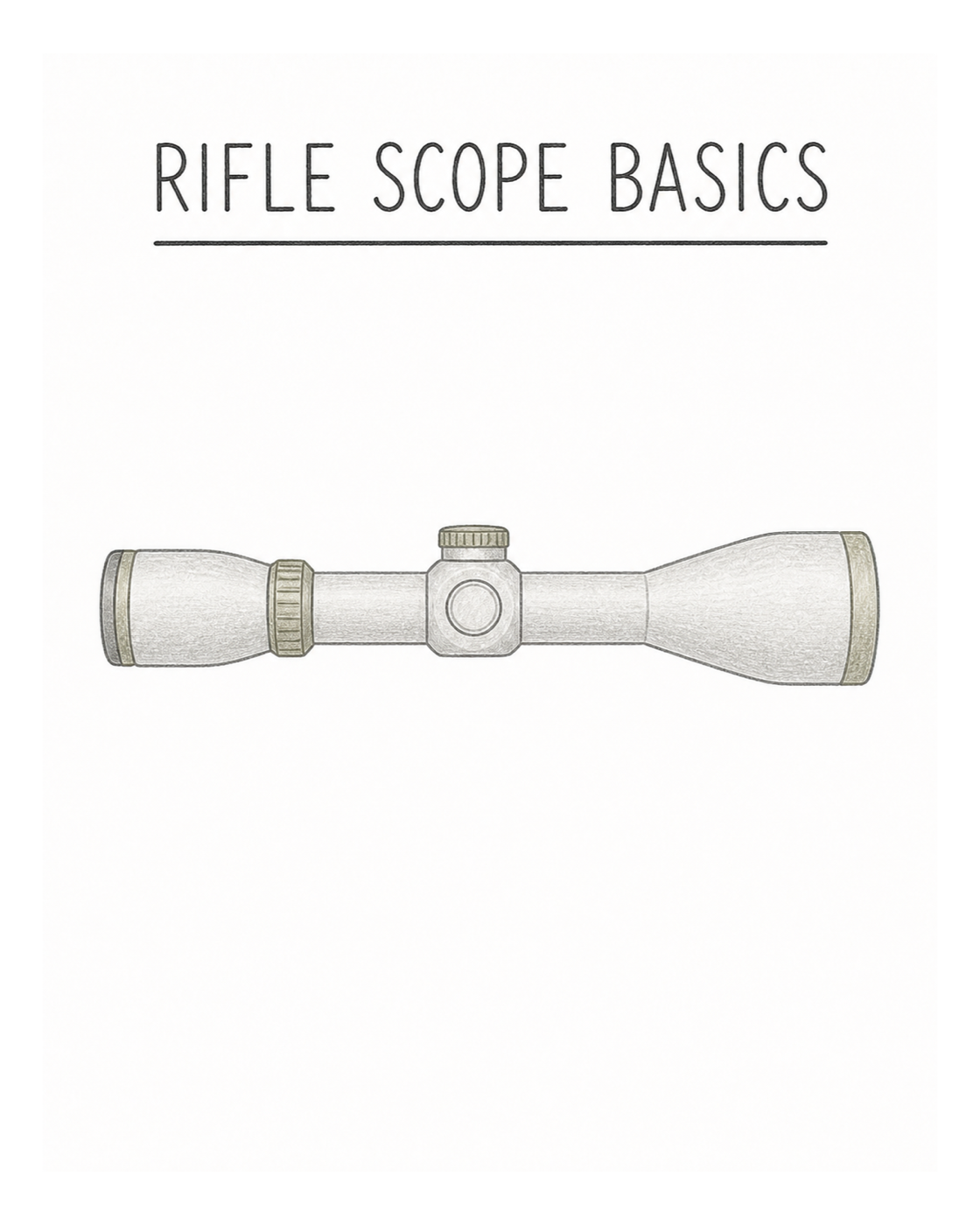 Rifle Hunting
How to Read a Rifle Scope
What the numbers mean, which other specifications matter, and how to make sense of your first hunting optic.
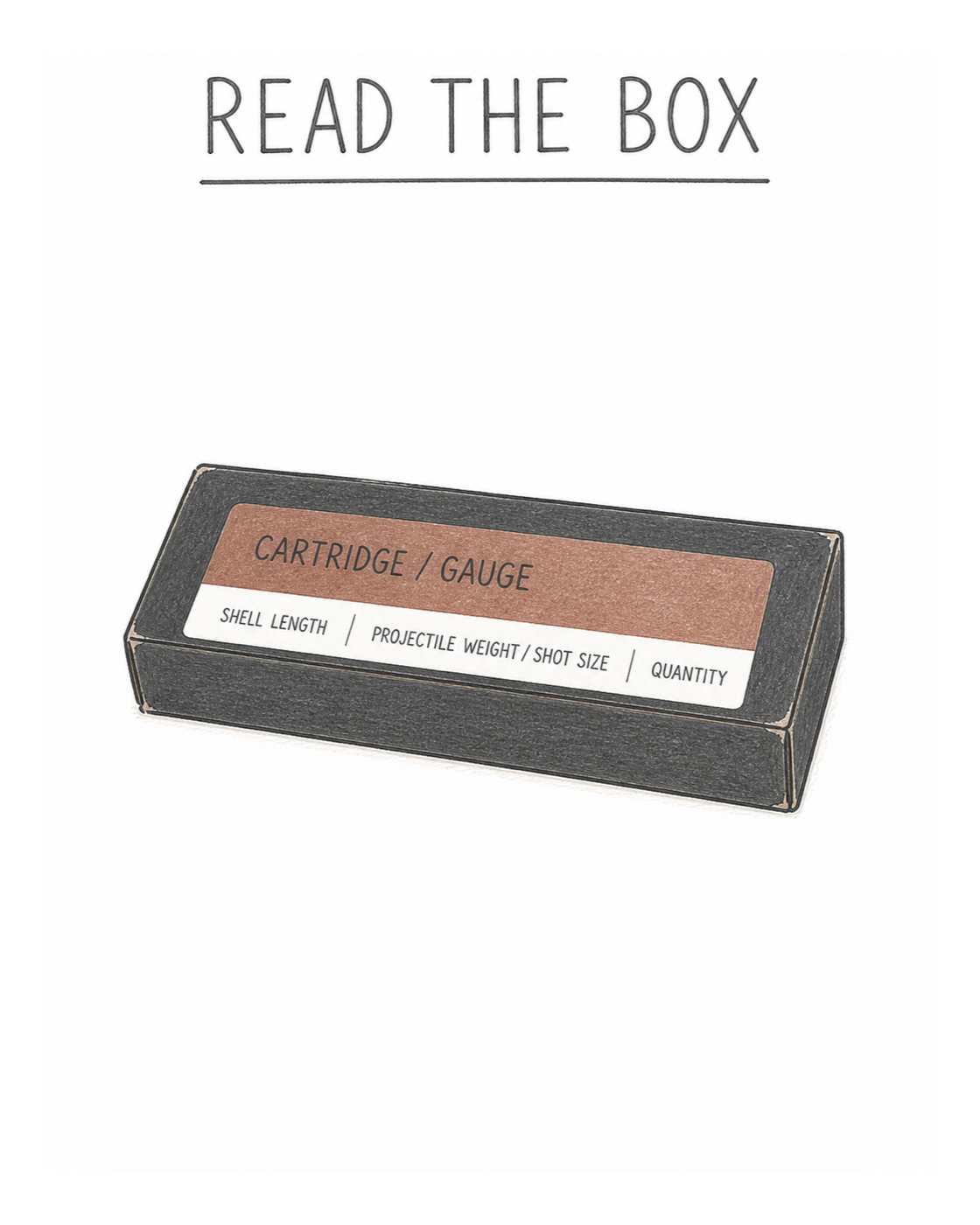 Hunter Education
What an Ammunition Box Tells You
A beginner’s guide to cartridge names, bullet weight, shotshell markings, and the information worth checking on factory ammunition.
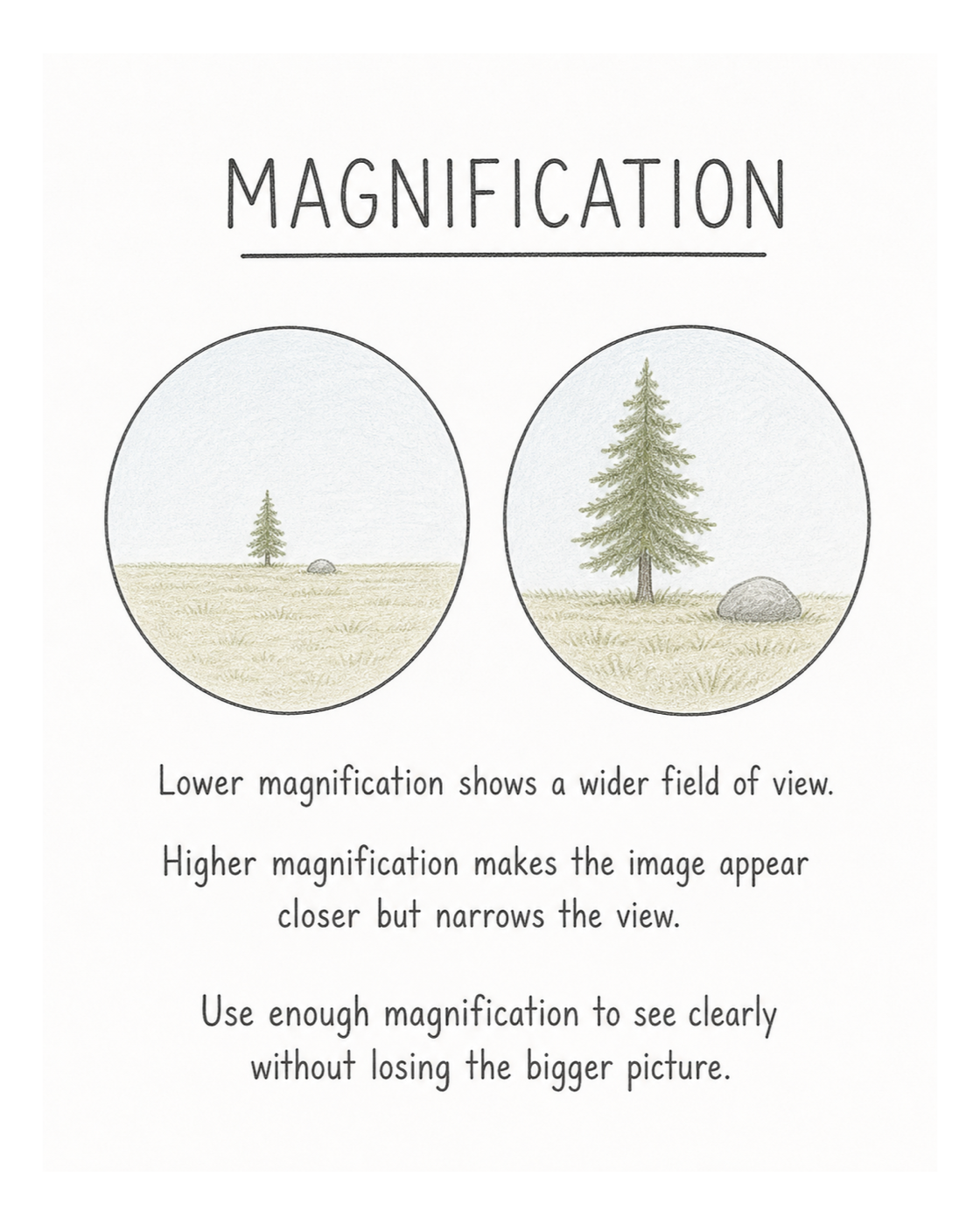 Fieldcraft
A Beginner’s Scouting Notebook
Five observations worth recording every time you walk a piece of hunting country.