UT / Turkey
Utah
Wild Turkey.
A practical guide to Utah limited-entry and general-season spring turkey, fall management hunts, permits, access, calling, safe setups, and field care.
Official wild turkey page ↗01 / Overview
Start with the shape of the hunt.
Utah turkey opportunity spans mountain forest, oak, pinyon-juniper, canyon, river corridor, farm, and private-land edge.
Spring limited-entry and general-season permits, youth opportunity, and localized fall management hunts can differ by area, legal bird, dates, property, and permit path.
Turkey is a useful first hunt because it teaches access, sign, calling, safe setups, positive identification, close-range restraint, tagging, recovery, and field care.
02 / Opportunity
Is this a good state for this hunt?
A general-season spring permit can provide a recurring path after the limited-entry hunt structure is understood.
Fall management hunts often focus on private-land nuisance areas, making permission central.
A mentor helps with calling and setups, but a beginner can progress by learning roosts, tracks, droppings, feeding areas, and legal access.
04 / Planning strategy
Scout legal access before practicing calls.
Choose an area close enough for dawn and evening scouting, then prove roads, parking, boundaries, permission, and safe directions.
Map roosts, tracks, droppings, dusting, feeding, strut areas, openings, water, and pressure without repeatedly disturbing birds.
Build quiet entries, safe setups, simple calling, patient identification, and a backup area into the plan.
05 / Seasons
Learn the categories. Check the dates.
Utah publishes wild turkey opportunity through the exact guidebook, permit or hunt number, unit, legal animal, method, season, and eligibility. Those details can change between cycles.
Use the current DWR guidebook and corrections, issued permit, Hunt Planner, live harvest status, and controlling land manager for authoritative dates, boundaries, methods, access, closures, and reporting duties.
Open the current official digest ↗06 / Habitat
Where they live.
Ponderosa and aspen forest
Roost trees, meadows, burns, water, roads, weather, and pressure shape movement.
Oak and canyon country
Acorns, shaded draws, benches, springs, rocky travel, and visibility affect birds and hunters.
River and agricultural edge
Food, cottonwoods, private parcels, homes, livestock, and permission can control promising habitat.
07 / Methods
Match the method to the exact hunt.
Shotgun
Pattern a legal load, confirm shot rules, know the effective range, and identify the complete bird.
Archery
Confirm legal equipment, then plan concealment, range, angle, follow-up, and recovery.
Calling and ambush
Use restrained calling or known travel while never stalking a sound that could be another hunter.
Current legal methods, ammunition rules, and hunt-specific restrictions come from CDFW and the applicable land manager.
08 / Beginner strategy
If I wanted to start, what would I actually do?
- 01
Read the current Utah rules
Begin with the current official guidebook and hunt entry for wild turkey. Write down the license, permit, hunt number, unit, dates, legal animal, method, limit, and reporting requirements.
Official resource ↗ - 02
Confirm how the permit works
Determine whether the exact hunt uses preference points, bonus points, a general-season permit, remaining sale, over-the-counter sale, harvest objective, free permit, general license privilege, or another current authorization.
- 03
Prove the unit and access
Confirm the legal boundary, public and private parcels, Walk-in Access or WMA authorization, tribal land, roads, vehicles, fire restrictions, weather, closures, and a backup route.
- 04
Scout the real constraints
Record area and property access, permission, roosts, tracks, droppings, feeding and strut areas, water, weather, hunters, livestock, and safe setup directions.
- 05
Practice the complete sequence
Practice turkey identification, calling restraint, sitting still, patterning or legal archery, range limits, safe setups, recovery, tag validation, possession, and field care.
- 06
Recheck, tag, check in, and report
Immediately before hunting, recheck current rules, access, weather, roads, live status, and documents. Afterward, complete every tag validation, report, physical check-in, permanent tag, sample, and transport duty on time.
09 / Current information
Official resources.
Official combined bird and small-game guidebook, corrections, permit resources, identification, and drawing results.
Official source ↗Utah Hunt PlannerOfficial unit boundaries, hunt details, terrain, public-land context, access points, and reporting information.
Official source ↗Utah Walk-in AccessOfficial private-land access properties, annual authorization, foot-traffic rules, and property-specific privileges.
Keep learning
Useful before a wild turkey hunt.
Existing Sportsman’s Illustrated lessons are connected by slug, so this section can grow without duplicating article content.
 Rifle Hunting
How to Read a Rifle Scope
What the numbers mean, which other specifications matter, and how to make sense of your first hunting optic.
 Hunter Education
What an Ammunition Box Tells You
A beginner’s guide to cartridge names, bullet weight, shotshell markings, and the information worth checking on factory ammunition.
 Fieldcraft
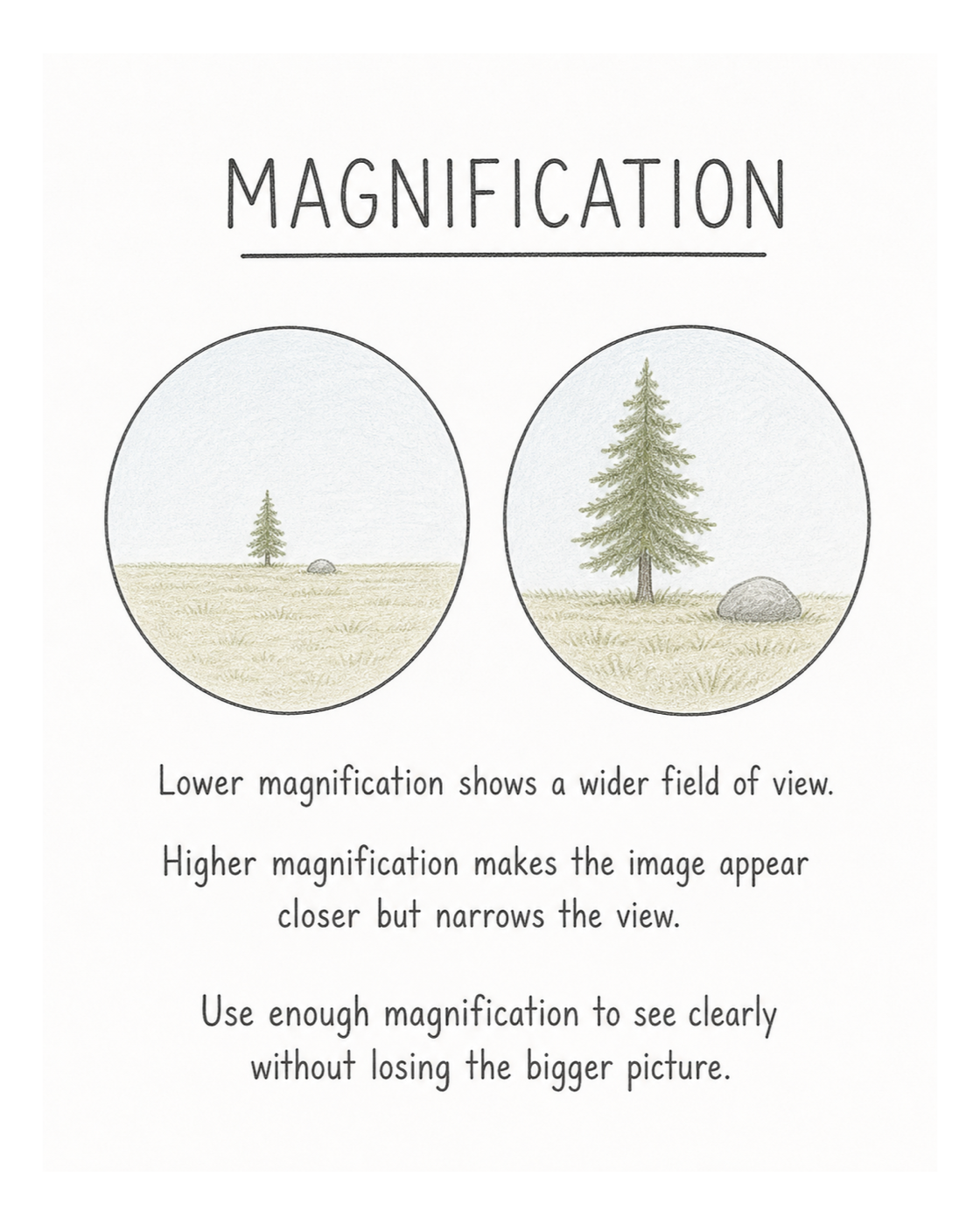
A Beginner’s Scouting Notebook
Five observations worth recording every time you walk a piece of hunting country.