WA / Big Game
Washington
Cougar.
A practical guide to Washington cougar hunting, Cougar Hunt Management Units, live harvest caps, identification, mandatory sealing, and reporting.
Official cougar page ↗01 / Overview
Start with the shape of the hunt.
Washington cougar hunting is managed through Cougar Hunt Management Units, each with a harvest cap and a status that can change during the season.
Every cougar hunter is responsible for checking whether the area remains open. A harvested cougar has time-sensitive unfrozen hide-and-skull sealing requirements and biological sampling.
This is a specialized, low-encounter hunt. It is not a dependable first-hunt plan, but the rules provide an excellent model for live closure and post-harvest responsibility.
02 / Opportunity
Is this a good state for this hunt?
Purchasing a tag does not guarantee that a Cougar Hunt Management Unit will remain open when you arrive.
Positive cougar identification, legal-method rules, safe backstops, access, tracking skill, and a rapid sealing plan all raise the preparation burden.
A beginner should seek experienced help and pair the goal with more repeatable hunting opportunities.
04 / Planning strategy
Treat the live closure check as part of the hunt.
Choose an open CHMU only after reviewing its GMUs, access, current status, weather, roads, legal methods, and sealing logistics.
Build identification, tracking, navigation, safe shooting, and recovery skill on more obtainable outings.
Save the closure page and hotline, identify a sealing location in advance, and set a plan for keeping the hide and skull unfrozen as required.
05 / Seasons
Learn the categories. Check the dates.
Washington publishes cougar opportunity by the exact license, tag, special permit, Game Management Unit or hunt area, legal animal, method, season, and eligibility. Those details can change between regulation cycles.
Use the current WDFW regulation pamphlet, Hunt Planner, issued documents, live closure notices, and controlling land manager for the dates, boundaries, methods, access restrictions, tagging, sealing, sampling, and reporting duties that govern the hunt.
Open the current official digest ↗06 / Habitat
Where they live.
Forest travel corridor
Ridges, saddles, creek systems, prey sign, tracks, roads, snow, and dense cover influence detection.
Canyon and break
Glassing, cliffs, private parcels, safe backstops, wind, and recovery route shape the plan.
Snow tracking country
Fresh snow can reveal movement, but roads, avalanche exposure, cold, daylight, and area status still control the hunt.
07 / Methods
Match the method to the exact hunt.
Incidental observation
A cougar seen during another legal hunt still requires the correct open area, license, tag, identification, safe shot, and recovery plan.
Tracking where legal
Follow only current legal-method rules while maintaining boundary, partner, dog, road, and backstop safety.
Patient calling where legal
Confirm method rules and use safe setup, target identification, restraint, and a clear follow-up plan.
Current legal methods, ammunition rules, and hunt-specific restrictions come from CDFW and the applicable land manager.
08 / Beginner strategy
If I wanted to start, what would I actually do?
- 01
Read the current WDFW rules
Begin with WDFW’s current regulation entry for cougar. Write down the exact license, tag, permit, hunt number, GMU or area, legal animal, season, method, and reporting requirements.
Official resource ↗ - 02
Confirm how the opportunity is issued
Determine whether the hunt uses a general season, transport tag, weighted special-permit drawing, once-in-a-lifetime permit, turkey tag, small-game license, migratory authorization, HIP certification, federal stamp, reservation, or another current authorization.
- 03
Prove access and boundaries
Confirm the GMU or hunt-area boundary, legal entry, private parcels, permission, wildlife-area rules, land-manager restrictions, roads, fire closures, parking, and a backup route.
- 04
Scout the real constraints
Record current CHMU status, GMU boundary, tracks, prey, travel features, roads, snow, closures, private land, safe backstops, recovery, and nearest sealing option.
- 05
Practice the complete field sequence
Practice identification, tracking, navigation, safe field positions, conservative shots, follow-up, tag validation, proof-of-sex care, unfrozen transport, sealing, and reporting.
- 06
Recheck, tag, and report
Immediately before hunting, recheck rules, live closures, weather, fire, roads, access, equipment, and documents. Validate any harvest correctly and complete every required report, sample, seal, check-in, or checkout afterward.
09 / Current information
Official resources.
Official current Cougar Hunt Management Unit status, harvest caps, hotline, sealing, and reporting requirements.
Official source ↗Washington big-game regulationsOfficial rules for deer, elk, black bear, cougar, mountain goat, moose, bighorn sheep, and turkey.
Official source ↗Places to hunt in WashingtonOfficial GMU maps, wildlife areas, private-land access programs, release sites, and regulated access resources.
Official source ↗Report a Washington huntOfficial mandatory reporting instructions for big game, turkey, migratory birds, and other applicable hunts.
Keep learning
Useful before a cougar hunt.
Existing Sportsman’s Illustrated lessons are connected by slug, so this section can grow without duplicating article content.
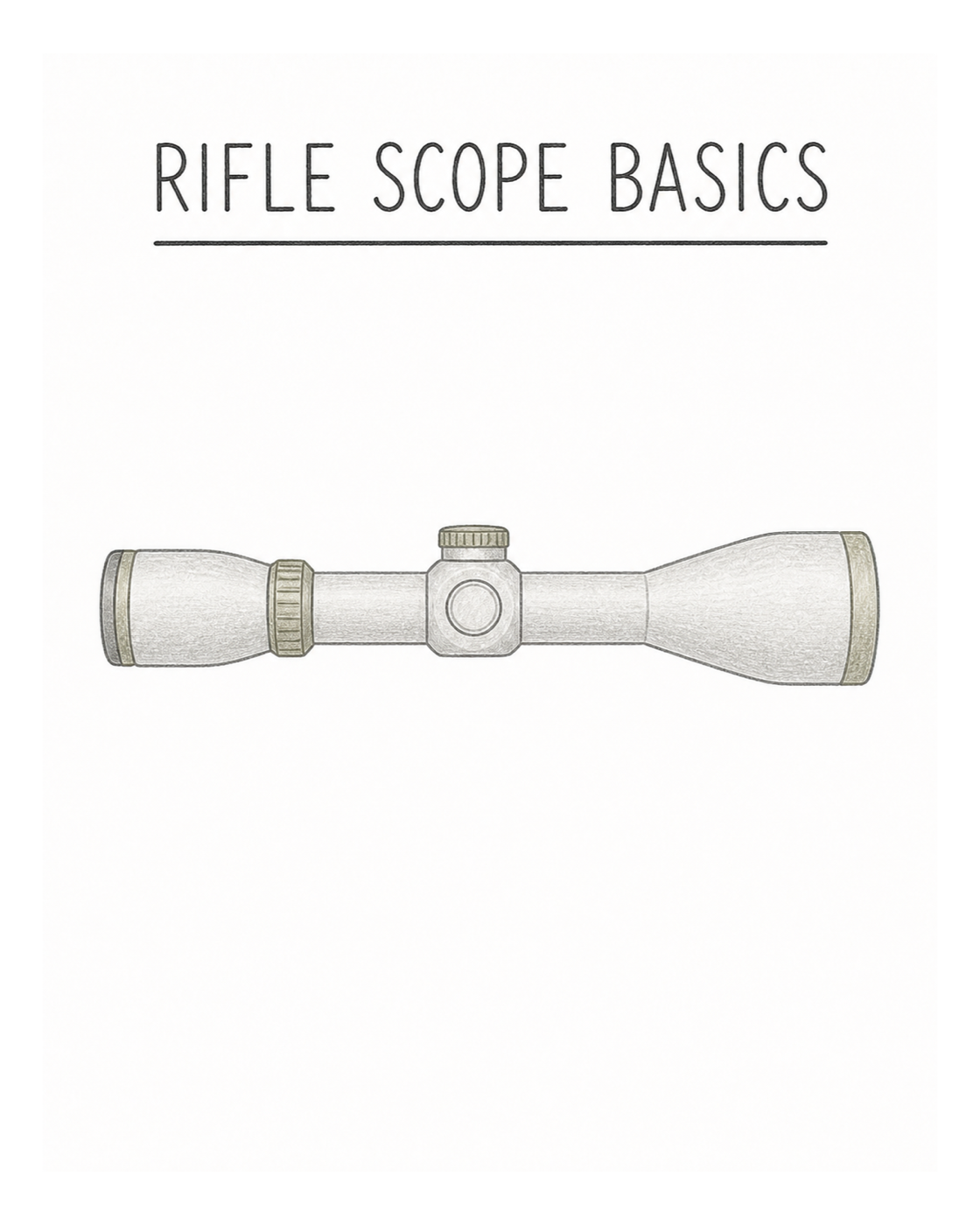 Rifle Hunting
How to Read a Rifle Scope
What the numbers mean, which other specifications matter, and how to make sense of your first hunting optic.
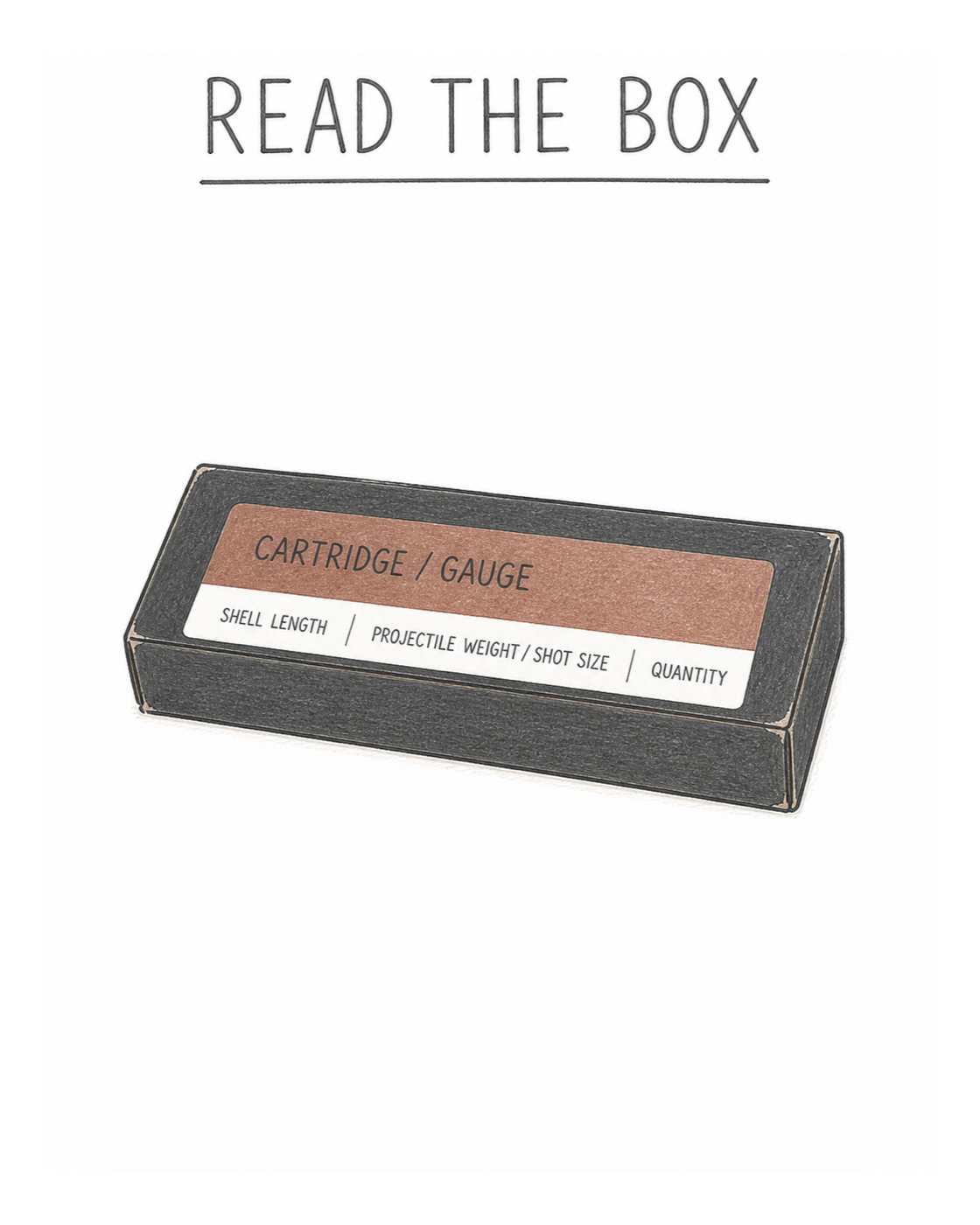 Hunter Education
What an Ammunition Box Tells You
A beginner’s guide to cartridge names, bullet weight, shotshell markings, and the information worth checking on factory ammunition.
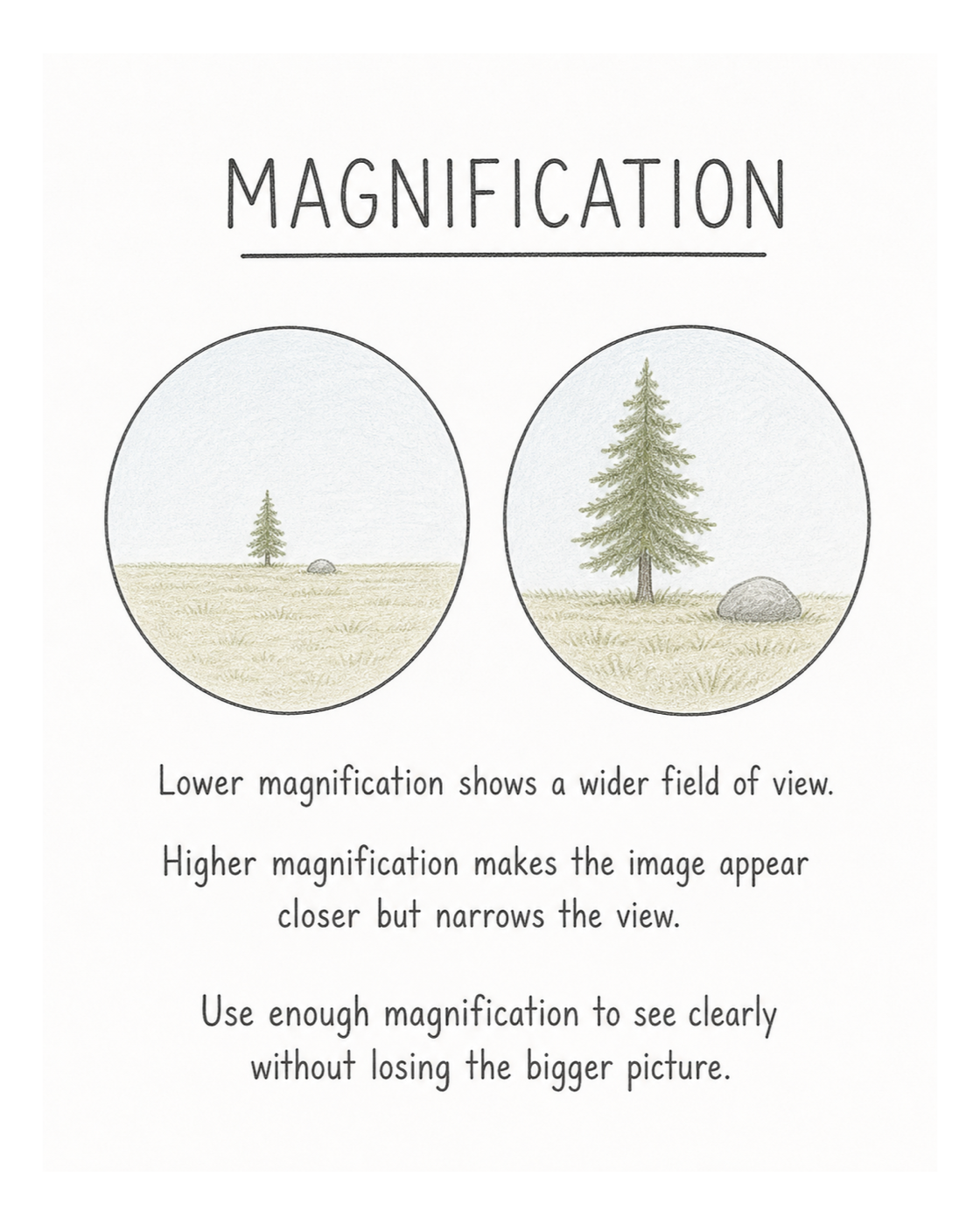 Fieldcraft
A Beginner’s Scouting Notebook
Five observations worth recording every time you walk a piece of hunting country.