WA / Big Game
Washington
Deer.
A practical guide to Washington black-tailed, mule, and white-tailed deer, general seasons, weighted special permits, GMUs, access, scouting, and reporting.
Official deer page ↗01 / Overview
Start with the shape of the hunt.
Washington supports black-tailed deer west of the Cascades, mule deer through much of the central and eastern country, and white-tailed deer primarily in the northeast and southeast.
General deer seasons are tied to the selected modern firearm, archery, or muzzleloader tag and the exact GMU and legal-animal rules. Limited special permits add separate hunt choices and reporting duties.
The most useful first deer hunt is close enough to scout repeatedly, has confirmed legal access, and still has a workable recovery route after weather, fire, timber activity, or hunting pressure changes.
02 / Opportunity
Is this a good state for this hunt?
General seasons create recurring opportunity, but a tag is method-specific and never guarantees access to private or industrial timber land.
Special permits use a weighted-point drawing. Points improve drawing weight over time but do not guarantee selection.
Deer can be a realistic first Washington big-game hunt when identification, access, shot limits, tagging, recovery, and reporting are planned together.
04 / Planning strategy
Choose repeatable country before a famous permit.
Pick one deer type, tag method, GMU, and access path you can scout several times before comparing special-permit choices.
Study current harvest and drawing information as context, then prioritize confirmed entry, habitat, pressure, fire, roads, and recovery over reputation.
Reduce the GMU to several legal routes around current food, cover, water, travel, and a backup access point.
05 / Seasons
Learn the categories. Check the dates.
Washington publishes deer opportunity by the exact license, tag, special permit, Game Management Unit or hunt area, legal animal, method, season, and eligibility. Those details can change between regulation cycles.
Use the current WDFW regulation pamphlet, Hunt Planner, issued documents, live closure notices, and controlling land manager for the dates, boundaries, methods, access restrictions, tagging, sealing, sampling, and reporting duties that govern the hunt.
Open the current official digest ↗06 / Habitat
Where they live.
Westside blacktail cover
Reprod, timber edges, clearcuts, brush, creek bottoms, rain, gates, and short visibility shape the hunt.
Central mule deer country
Shrubsteppe, burns, forest edge, agriculture, water, migration, fire, and private parcels affect deer movement.
Eastern whitetail country
Timber, creek bottoms, farms, brush, snow, permission, and close-range visibility define the plan.
07 / Methods
Match the method to the exact hunt.
Modern firearm
Practice stable positions, positive identification, safe backstops, and conservative distance limits for the exact GMU rules.
Archery
Confirm equipment rules, then prioritize wind, quiet access, close shots, tracking, and recovery.
Muzzleloader
Use the current Washington equipment definition and hunt table, not assumptions from another state.
Current legal methods, ammunition rules, and hunt-specific restrictions come from CDFW and the applicable land manager.
08 / Beginner strategy
If I wanted to start, what would I actually do?
- 01
Read the current WDFW rules
Begin with WDFW’s current regulation entry for deer. Write down the exact license, tag, permit, hunt number, GMU or area, legal animal, season, method, and reporting requirements.
Official resource ↗ - 02
Confirm how the opportunity is issued
Determine whether the hunt uses a general season, transport tag, weighted special-permit drawing, once-in-a-lifetime permit, turkey tag, small-game license, migratory authorization, HIP certification, federal stamp, reservation, or another current authorization.
- 03
Prove access and boundaries
Confirm the GMU or hunt-area boundary, legal entry, private parcels, permission, wildlife-area rules, land-manager restrictions, roads, fire closures, parking, and a backup route.
- 04
Scout the real constraints
Record ownership, gates, timber activity, food, cover, water, tracks, droppings, beds, glassing points, wind, pressure, fire, and the full recovery route.
- 05
Practice the complete field sequence
Practice deer-type and legal-animal identification, navigation, field positions, range restraint, follow-up, tag validation, recovery, meat care, transport, and each required report.
- 06
Recheck, tag, and report
Immediately before hunting, recheck rules, live closures, weather, fire, roads, access, equipment, and documents. Validate any harvest correctly and complete every required report, sample, seal, check-in, or checkout afterward.
09 / Current information
Official resources.
Official rules for deer, elk, black bear, cougar, mountain goat, moose, bighorn sheep, and turkey.
Official source ↗Washington season summariesOfficial summaries for deer, elk, bear, cougar, turkey, waterfowl, upland birds, and small game.
Official source ↗Washington special hunt permitsOfficial special-permit, multi-season, raffle, area-map, and drawing resources.
Official source ↗Places to hunt in WashingtonOfficial GMU maps, wildlife areas, private-land access programs, release sites, and regulated access resources.
Official source ↗Report a Washington huntOfficial mandatory reporting instructions for big game, turkey, migratory birds, and other applicable hunts.
Keep learning
Useful before a deer hunt.
Existing Sportsman’s Illustrated lessons are connected by slug, so this section can grow without duplicating article content.
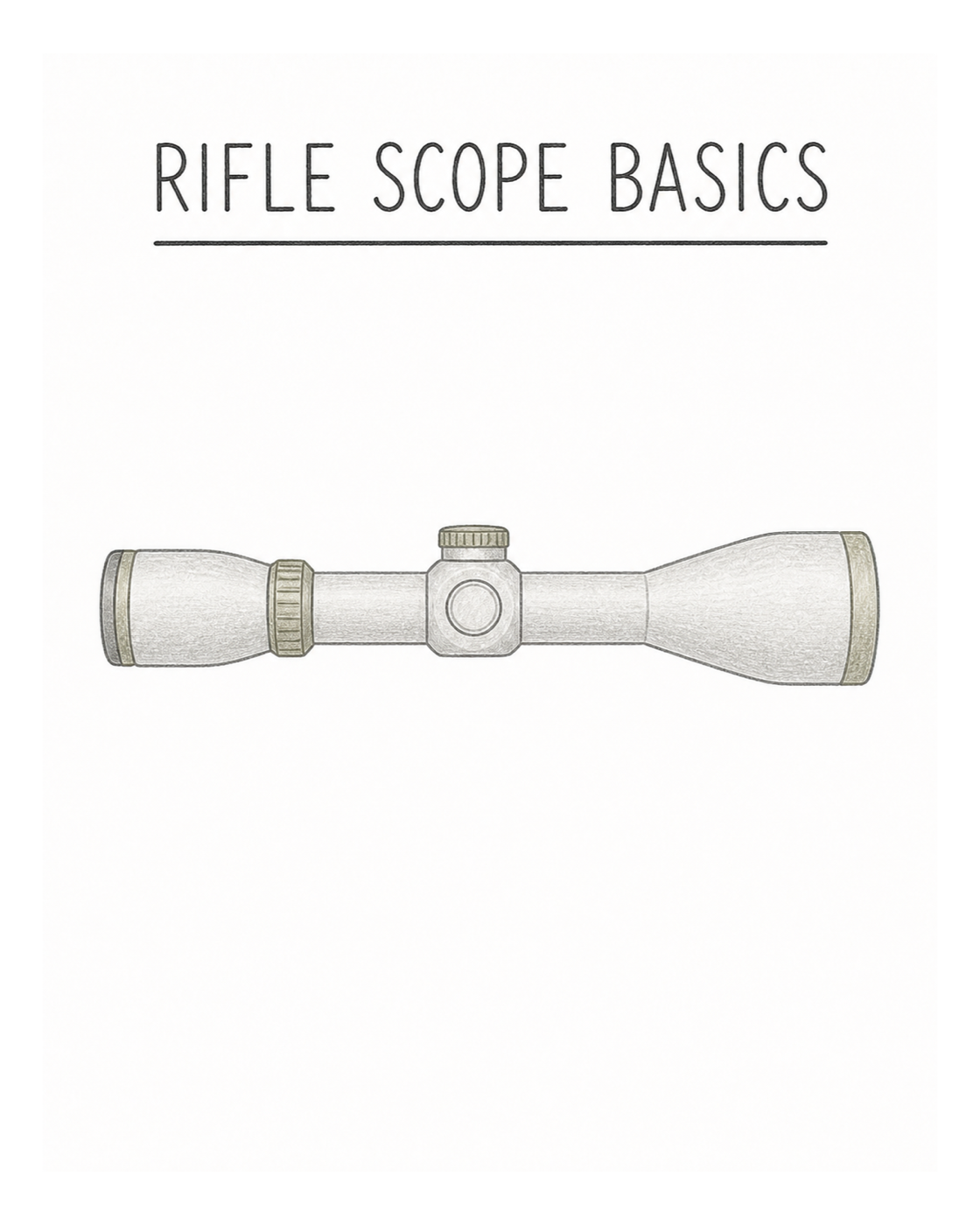 Rifle Hunting
How to Read a Rifle Scope
What the numbers mean, which other specifications matter, and how to make sense of your first hunting optic.
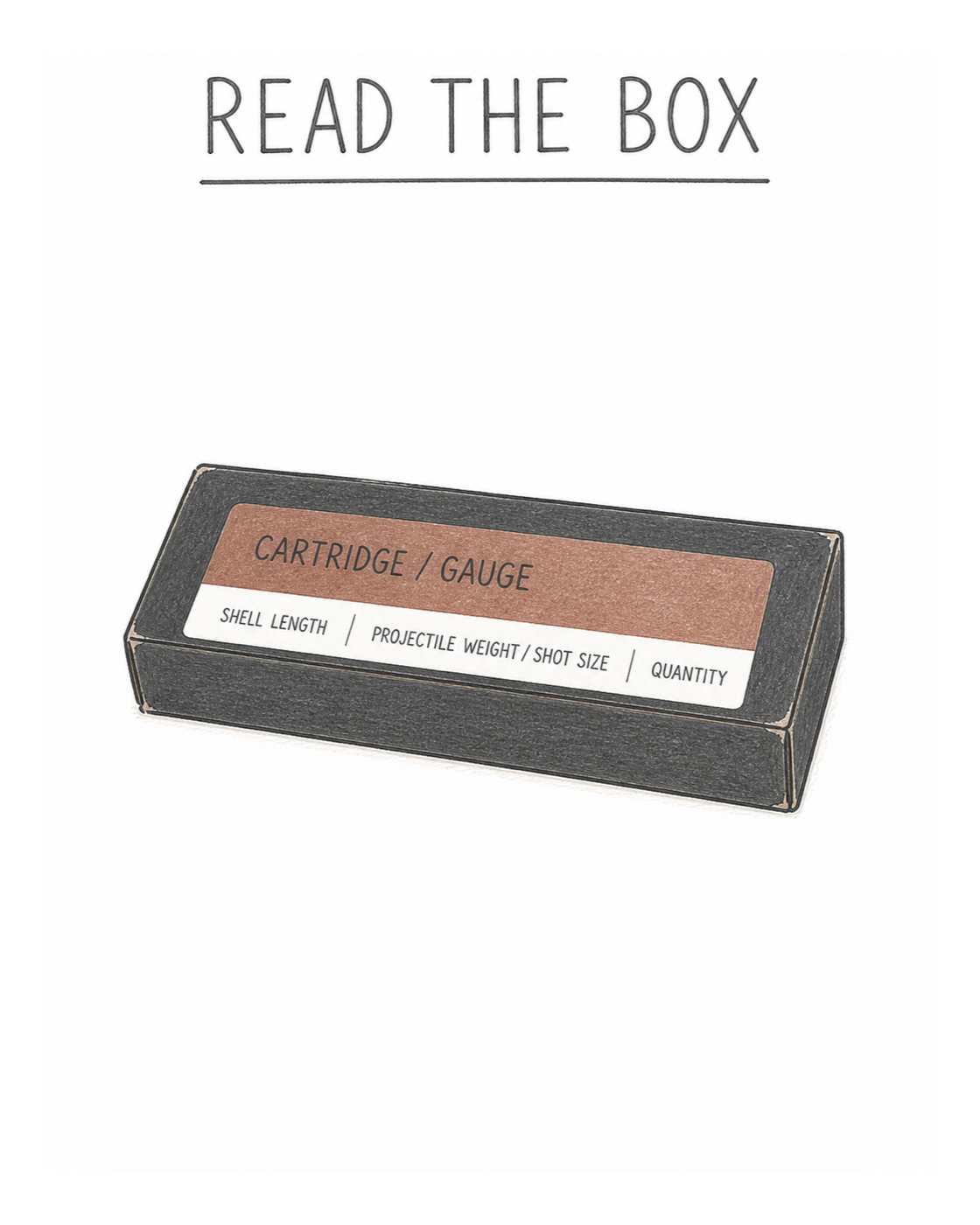 Hunter Education
What an Ammunition Box Tells You
A beginner’s guide to cartridge names, bullet weight, shotshell markings, and the information worth checking on factory ammunition.
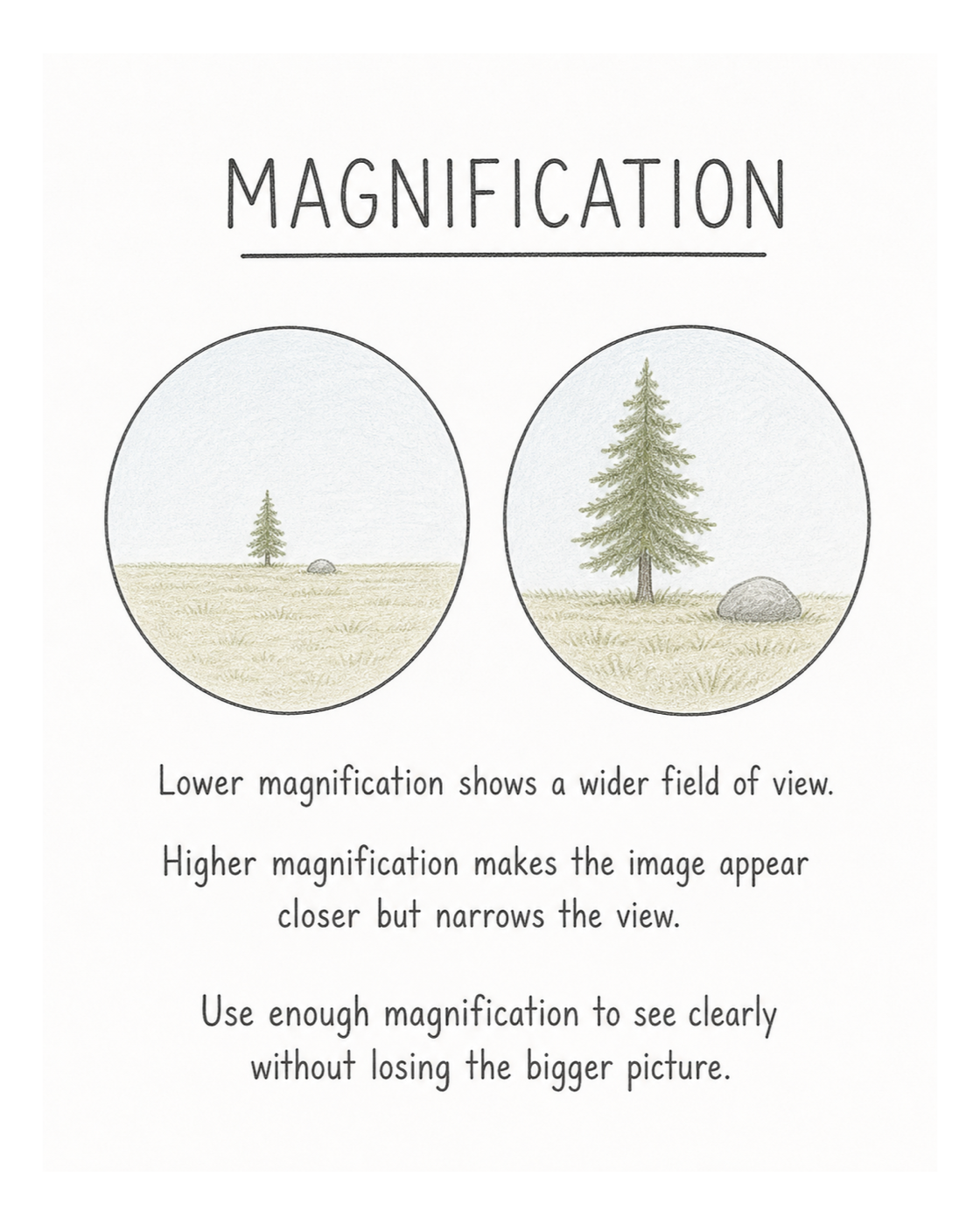 Fieldcraft
A Beginner’s Scouting Notebook
Five observations worth recording every time you walk a piece of hunting country.