WY / Big Game
Wyoming
Elk.
A clear guide to Wyoming general, region-general, limited-quota, and cow or calf elk licenses, preference points, Access Yes, CWD, and pack-out.
Official elk page ↗01 / Overview
Start with the shape of the hunt.
Wyoming elk occupy mountain forest, sage foothill, desert range, river country, and agricultural interfaces.
Residents can buy a general elk license over the counter for areas open to General. Nonresidents draw region-general or limited-quota full-price licenses, while reduced-price cow or calf licenses use separate types.
A person can hold up to three elk licenses under current limits, but no more than one can be a general or full-price Type 0, 1, 2, 3, or 9 license.
02 / Opportunity
Is this a good state for this hunt?
General opportunity is broad but legal animal, area, dates, grizzly risk, access, and pressure can change sharply.
Nonresident full-price elk points affect the first choice in the preference-point draw, while the special draw changes price and applicant pool, not the license itself.
Cow or calf and leftover licenses can be obtainable, but many depend on private land, an HMA slip, late weather, or exact herd movements.
04 / Planning strategy
Choose the pack-out before the application.
Compare general, region-general, limited-quota, special draw, cow or calf, leftover, HMA, refuge, and private-access paths.
Scout feeding, bedding, water, burns, migration, wind, roads, closures, grizzly activity, pressure, CWD, and realistic load routes.
Build conditioning, field shooting, tracking, breakdown, cooling, load carrying, carcass coupon, and transport skills before the hunt.
05 / Seasons
Learn the categories. Check the dates.
Wyoming publishes elk opportunity through the exact license, region or hunt area, license type, full or reduced price, legal animal, method, season, eligibility, and land status. Those details can change between cycles.
Use the current final regulation and corrections, issued license and carcass coupon, Hunt Planner, live mortality status, Access Yes property page, field signs, and controlling land manager for authoritative dates, boundaries, methods, access, and reporting duties.
Open the current official digest ↗06 / Habitat
Where they live.
Mountain forest and meadow
Forage, burns, timber, water, snow, grizzlies, pressure, and steep recovery control elk movement.
Sage foothill and desert
Water, migration, roads, weather, landlocked public parcels, and private edges shape opportunity.
Ranch and refuge edge
Crops, winter range, HMA slips, refuge permits, livestock, roads, and antlerless movements dominate.
07 / Methods
Match the method to the exact hunt.
Archery
Carry any required archery license and prioritize wind, close shooting, tracking, bear safety, and fast meat care.
Rifle
Build stable positions, conservative distance, positive identification, and a complete recovery route.
Late cow or calf hunt
Plan private access, cold, snow, roads, migration, legal animal, and retrieval before relying on weather.
Current legal methods, ammunition rules, and hunt-specific restrictions come from CDFW and the applicable land manager.
08 / Beginner strategy
If I wanted to start, what would I actually do?
- 01
Read the current Wyoming rules
Begin with the current official regulation and planning source for elk. Write down the license, area, region, type, price class, dates, legal animal, method, limit, closure, and reporting duties.
Official resource ↗ - 02
Confirm how the license works
Determine whether the hunt uses a resident general license, nonresident region-general draw, limited-quota draw, full or reduced price, preference or random draw, leftover sale, mortality limit, special permit, or another exact structure.
- 03
Prove the land and access program
Confirm public and private parcels, state or federal terms, tribal authority, HMA permission slip and ranch rules, Walk-In species and dates, roads, vehicles, fire, camping, winter closures, and a backup route.
- 04
Scout the actual constraints
Record area or region, type, full or reduced price, HMA or refuge permit, land, elk sign, water, migration, wind, roads, pressure, grizzlies, weather, fire, CWD, and pack-out.
- 05
Practice the complete sequence
Practice calls, identification, field positions, range restraint, tracking, breakdown, cooling, load carrying, carcass coupon validation, CWD handling, transport, and reporting.
- 06
Recheck, tag, register, and report
Immediately before hunting, recheck the regulation, live mortality status, access, weather, roads, and documents. Afterward, complete every carcass-coupon validation, evidence, CWD transport, tooth or sample, registration, pelt tag, possession, and report duty on time.
09 / Current information
Official resources.
Official general, region-general, limited-quota, cow or calf, license-limit, odds, harvest, and access guidance.
Official source ↗Wyoming hunting regulationsOfficial current big-game, trophy-game, bison, bird, small-game, wolf, and furbearer regulations, brochures, maps, and updates.
Official source ↗Wyoming preference pointsOfficial species-specific point rules for nonresident elk, deer and antelope and resident or nonresident moose and full-price bighorn sheep.
Official source ↗Wyoming Hunt PlannerOfficial hunt-area maps, license types, drawing odds, harvest data, public access, and species planning tool.
Official source ↗Wyoming Hunter Management AreasOfficial HMA permission-slip applications, ranch rules, maps, species, license types, vehicles, and dates.
Official source ↗Wyoming chronic wasting diseaseOfficial current CWD focus areas, sampling, testing, carcass transport, disposal, and disease guidance.
Keep learning
Useful before a elk hunt.
Existing Sportsman’s Illustrated lessons are connected by slug, so this section can grow without duplicating article content.
 Rifle Hunting
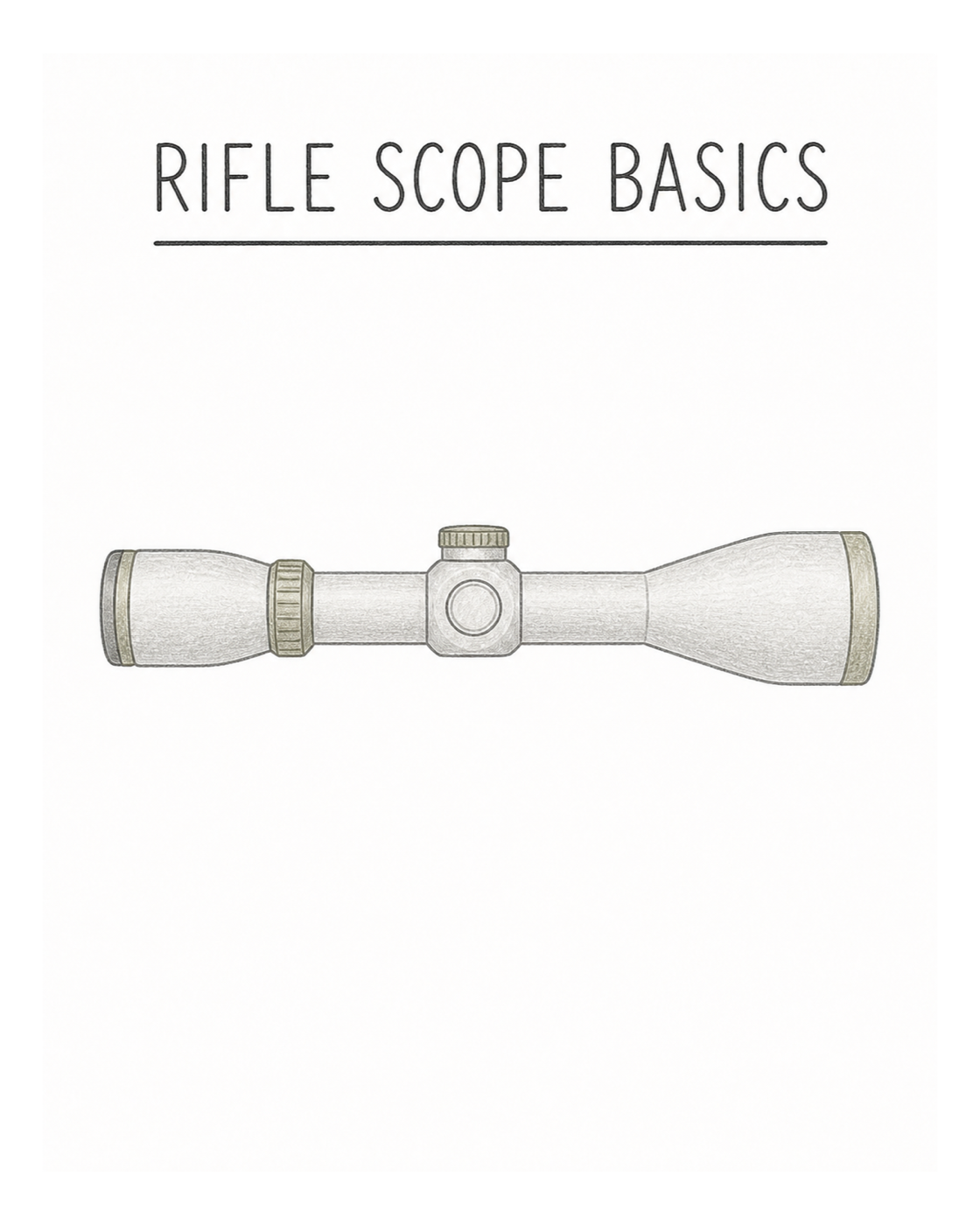
How to Read a Rifle Scope
What the numbers mean, which other specifications matter, and how to make sense of your first hunting optic.
 Hunter Education
What an Ammunition Box Tells You
A beginner’s guide to cartridge names, bullet weight, shotshell markings, and the information worth checking on factory ammunition.
 Fieldcraft
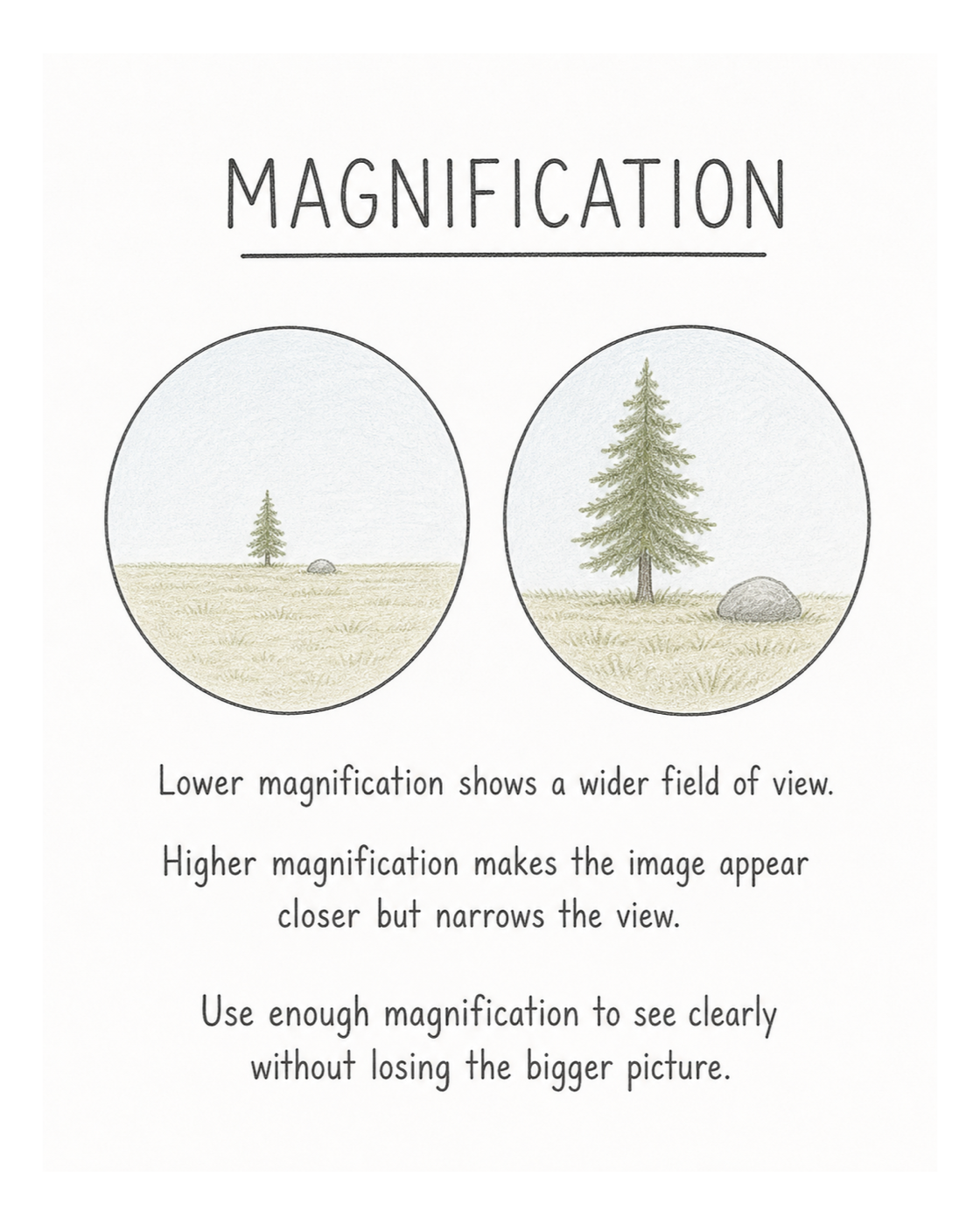
A Beginner’s Scouting Notebook
Five observations worth recording every time you walk a piece of hunting country.