WY / Waterfowl
Wyoming
Waterfowl & Migratory Birds.
A beginner-friendly guide to Wyoming ducks, geese, crane, dove, rails, snipe, and other migratory birds, with HIP, stamps, permits, zones, access, and retrieval.
Official waterfowl & migratory birds page ↗01 / Overview
Start with the shape of the hunt.
Wyoming migratory hunting spans prairie wetlands, reservoirs, major rivers, agricultural fields, mountain valleys, and high desert water.
Ducks, geese, sandhill crane, dove, rails, snipe, and other birds do not share one credential, season, zone, permit, stamp, or limit.
The simplest first outing is with an experienced partner at a known legal site after confirming identification, safe directions, cold-water or ice risk, and retrieval.
02 / Opportunity
Is this a good state for this hunt?
Dove and selected duck or goose outings can be approachable, while crane and managed-goose opportunity add permits and specialized identification.
A game-bird license, conservation stamp, HIP, federal duck stamp, crane permit, or property reservation can stack by species and age.
Refuge, HMA, Walk-In, WHMA, state, federal, tribal, and private properties can add check-in, reservation, ammunition, access, and closure rules.
04 / Planning strategy
Build the first hunt around identification and retrieval.
Start with one legal property and learn its credentials, signs, parking, water depth, mud, ice, weather, safe directions, and retrieval before opening day.
Practice common, similar, and protected birds in flight and poor light rather than relying only on still photographs.
Use a simple setup, clear range limit, safe wading or boating, and a weather threshold that sends you home.
05 / Seasons
Learn the categories. Check the dates.
Wyoming publishes waterfowl & migratory birds opportunity through the exact license, region or hunt area, license type, full or reduced price, legal animal, method, season, eligibility, and land status. Those details can change between cycles.
Use the current final regulation and corrections, issued license and carcass coupon, Hunt Planner, live mortality status, Access Yes property page, field signs, and controlling land manager for authoritative dates, boundaries, methods, access, and reporting duties.
Open the current official digest ↗06 / Habitat
Where they live.
Prairie wetland and reservoir
Water level, mud, vegetation, roads, private parcels, weather, and retrieval shape opportunity.
River corridor
Current, ice, shoreline ownership, wind, and retrieval make planning critical.
Agricultural field
Permission, Walk-In terms, bird traffic, roads, homes, livestock, concealment, and safe directions are essential.
07 / Methods
Match the method to the exact hunt.
Decoy setup
Use a simple spread and concealment that keep birds, partners, dogs, and safe lanes visible.
Pass shooting where legal
Identify the bird and keep every shot inside an ethical and lawful retrieval zone.
Walk-in or boat hunting
Match flotation, weather, depth, current, mud, ice, footwear, communication, and retrieval to the site.
Current legal methods, ammunition rules, and hunt-specific restrictions come from CDFW and the applicable land manager.
08 / Beginner strategy
If I wanted to start, what would I actually do?
- 01
Read the current Wyoming rules
Begin with the current official regulation and planning source for waterfowl & migratory birds. Write down the license, area, region, type, price class, dates, legal animal, method, limit, closure, and reporting duties.
Official resource ↗ - 02
Confirm how the license works
Determine whether the hunt uses a resident general license, nonresident region-general draw, limited-quota draw, full or reduced price, preference or random draw, leftover sale, mortality limit, special permit, or another exact structure.
- 03
Prove the land and access program
Confirm public and private parcels, state or federal terms, tribal authority, HMA permission slip and ranch rules, Walk-In species and dates, roads, vehicles, fire, camping, winter closures, and a backup route.
- 04
Scout the actual constraints
Record species, area, credentials, permits, property rules, birds, flight paths, water or crop, refuge lines, parking, wind, weather, mud, ice, safe directions, and retrieval.
- 05
Practice the complete sequence
Practice bird identification, shotgun handling, legal ammunition, range restraint, partner communication, water and ice safety, retrieval, possession, reporting, and transport.
- 06
Recheck, tag, register, and report
Immediately before hunting, recheck the regulation, live mortality status, access, weather, roads, and documents. Afterward, complete every carcass-coupon validation, evidence, CWD transport, tooth or sample, registration, pelt tag, possession, and report duty on time.
09 / Current information
Official resources.
Official current big-game, trophy-game, bison, bird, small-game, wolf, and furbearer regulations, brochures, maps, and updates.
Official source ↗Wyoming upland and small-game regulationsOfficial current upland, small-game, pheasant-permit, maps, seasons, limits, evidence, and sage-grouse permit resources.
Official source ↗Wyoming public accessOfficial Access Yes, Hunter Management Area, Walk-In Hunting Area, commission land, WHMA, and landowner-assistance starting point.
Official source ↗Wyoming Walk-In Hunting AreasOfficial current Walk-In properties, species, dates, maps, landowner terms, and access rules.
Keep learning
Useful before a waterfowl & migratory birds hunt.
Existing Sportsman’s Illustrated lessons are connected by slug, so this section can grow without duplicating article content.
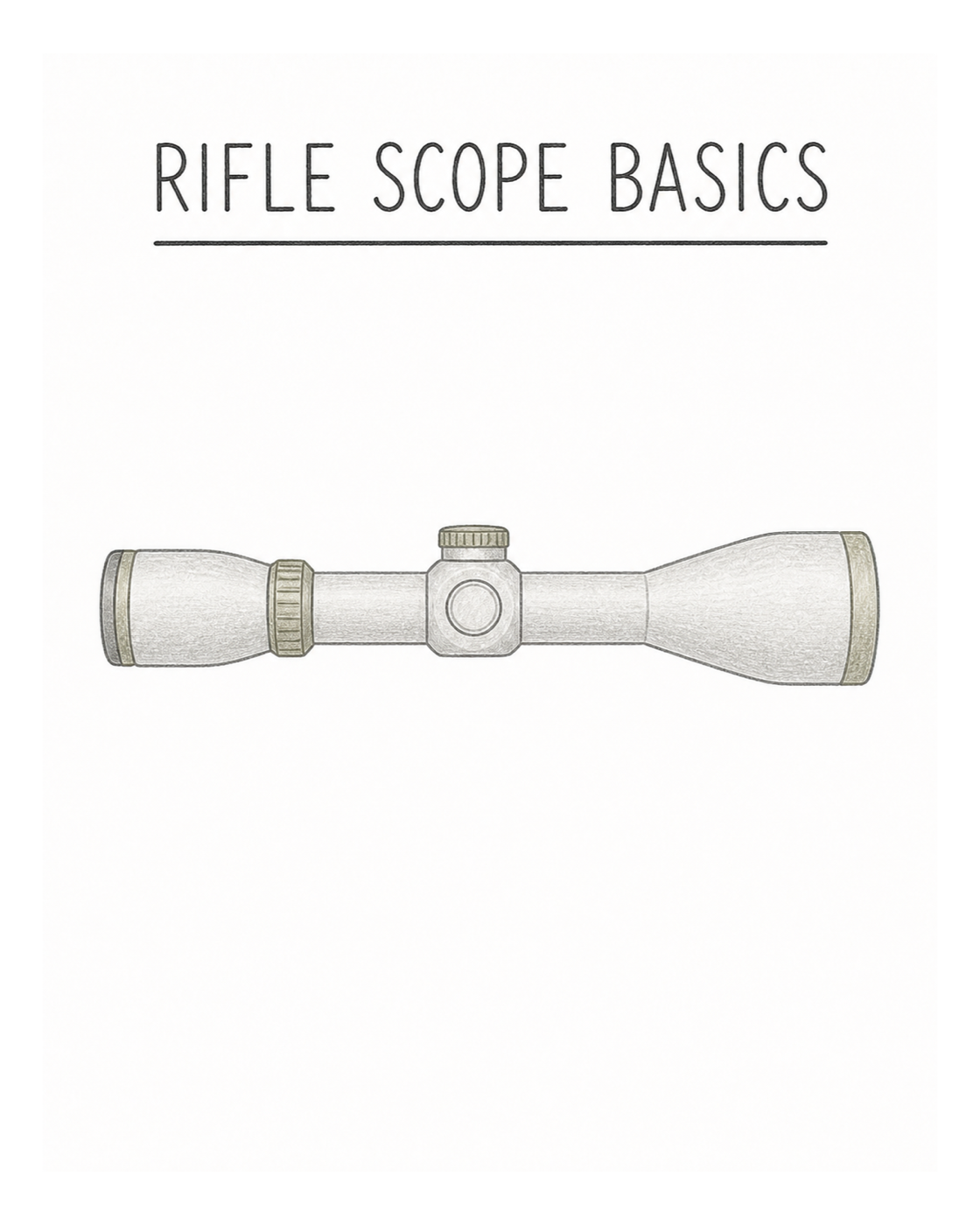 Rifle Hunting
How to Read a Rifle Scope
What the numbers mean, which other specifications matter, and how to make sense of your first hunting optic.
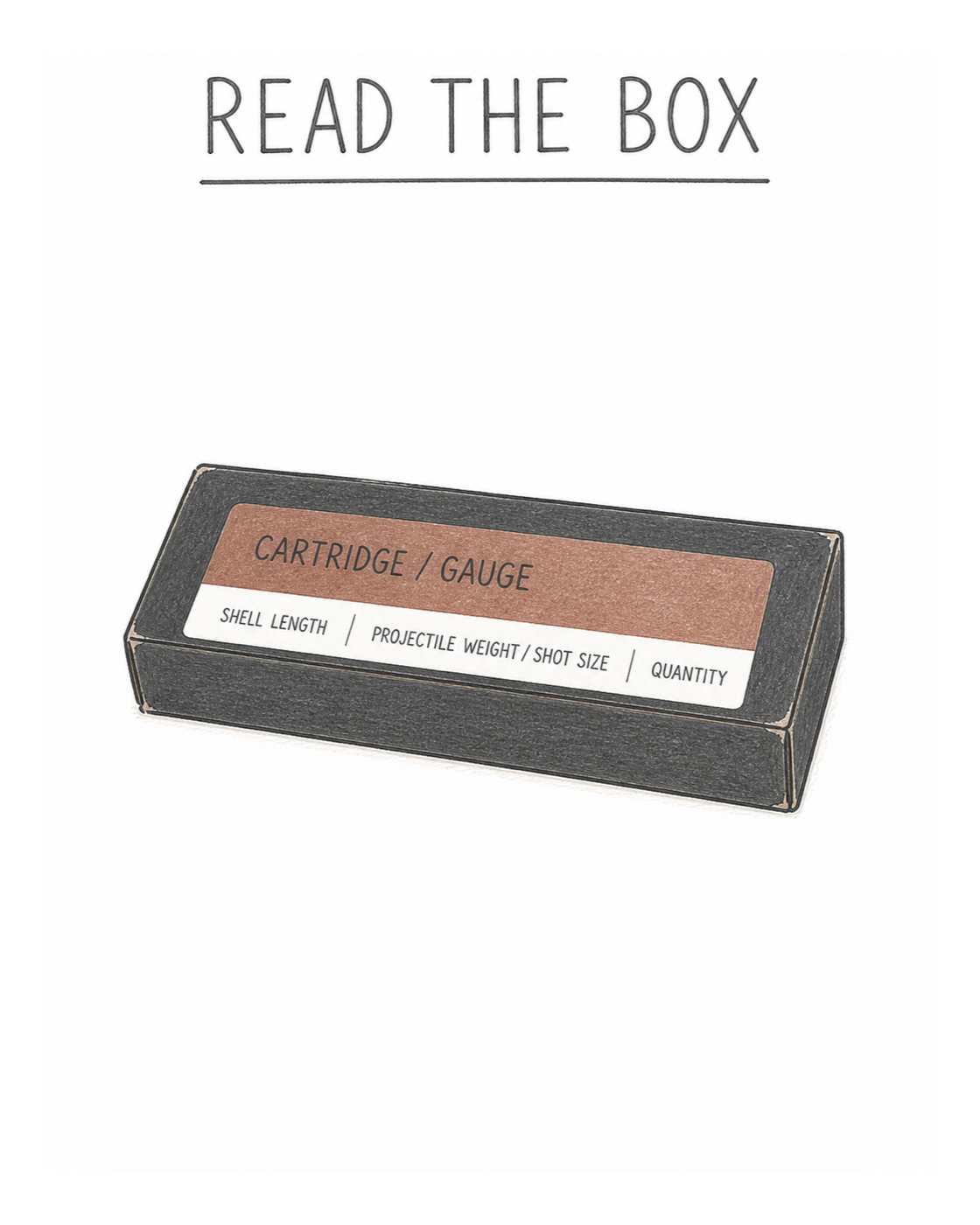 Hunter Education
What an Ammunition Box Tells You
A beginner’s guide to cartridge names, bullet weight, shotshell markings, and the information worth checking on factory ammunition.
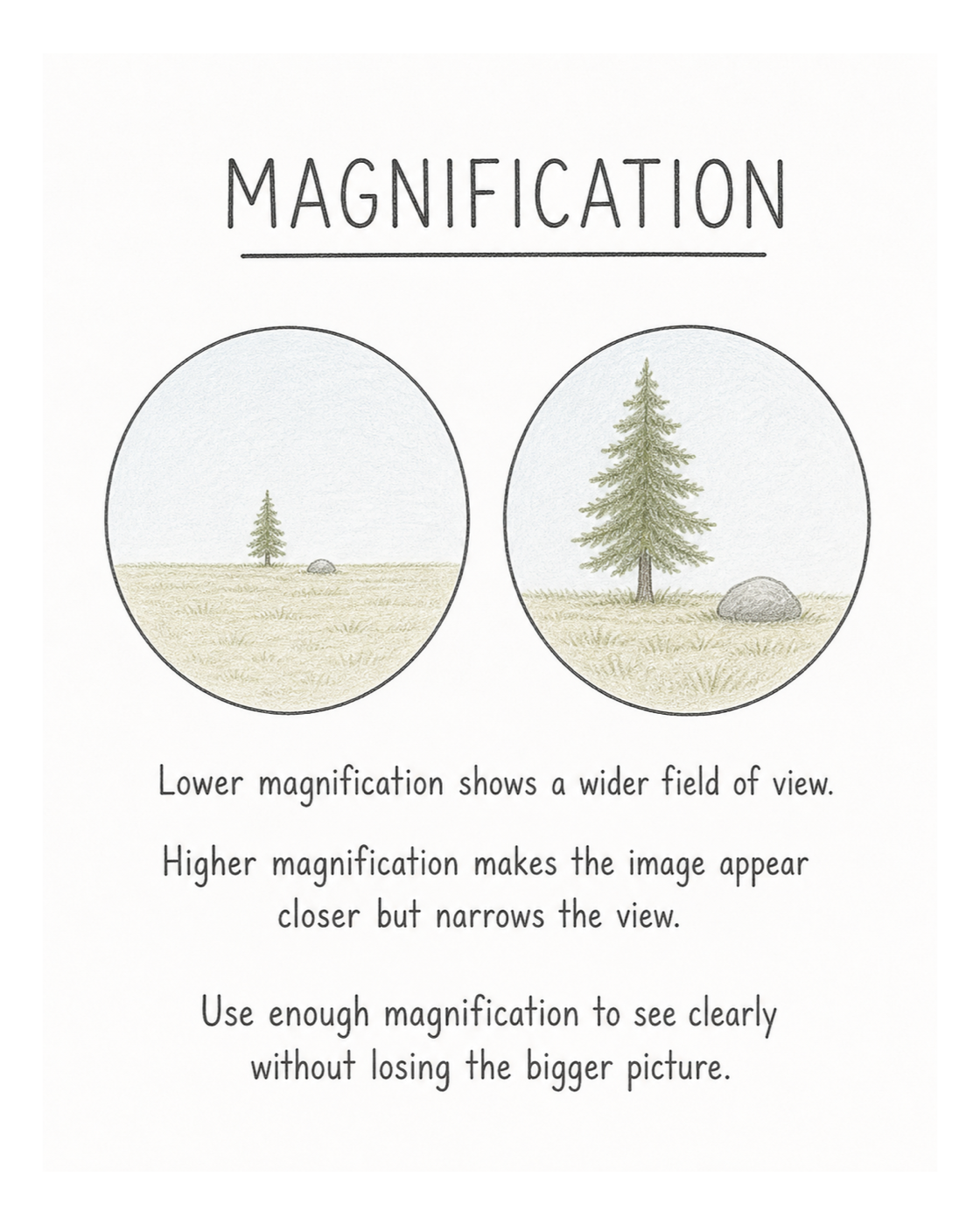 Fieldcraft
A Beginner’s Scouting Notebook
Five observations worth recording every time you walk a piece of hunting country.